
Rated 5.0 Stars

Sarasota & Manatee County, FL

Author: Kevin

Why AC Short Cycling Is a Bigger Problem in Florida Than You Think

Florida summers are notoriously hot and humid, making a reliable air conditioner essential for comfort and safety. Yet many homeowners don’t realize that their AC system may be operating inefficiently due to a problem called short cycling. While it may seem like a minor annoyance, short cycling can lead to higher energy bills, reduced system lifespan, and even potential safety hazards. At Wimpy’s Plumbing & Air, we’ve seen first-hand how this issue can disrupt homes throughout Sarasota County and beyond. Here’s why AC short cycling is a bigger problem in Florida than most people think, and what you can do about it.

Sarasota Air conditioning

What is AC Short Cycling?

Short cycling occurs when your air conditioning system turns on and off more frequently than it should, often running for just a few minutes at a time. A properly functioning AC unit completes longer cooling cycles to maintain consistent indoor temperatures. When short cycling happens, the system never reaches its full cooling capacity, which can make your home uncomfortable and increase energy consumption.

Common signs of short cycling include:

  • The AC frequently turning on and off in short intervals
  • Uneven cooling in different rooms
  • Rising humidity levels indoors
  • Higher-than-normal energy bills
  • Strange noises like popping or clicking each time the unit starts

If you notice any of these symptoms in your Florida home, it’s important to address them promptly.

Why Short Cycling is Especially Problematic in Florida

Florida’s climate puts unique demands on air conditioning systems. With high temperatures and humidity for much of the year, homes rely on their AC units to maintain comfort and indoor air quality. Short cycling can exacerbate several issues:

  1. Increased Energy Bills – Short cycling prevents the AC from completing full cooling cycles. This means the system consumes energy each time it restarts, significantly driving up electricity costs during the hot months.
  2. Reduced Comfort – Homes with short-cycling AC units often have uneven temperatures and high humidity, leaving some rooms warmer and less comfortable than others.
  3. Wear and Tear on the System – Frequent starts and stops put extra strain on components such as compressors, capacitors, and motors. Over time, this accelerates system deterioration and can lead to premature failure.
  4. Potential Safety Concerns – Electrical components subjected to constant cycling can overheat or fail, creating safety risks that are particularly concerning in older units or systems lacking proper maintenance.

In Florida, where air conditioning is not optional but a year-round necessity, these effects are amplified. Homeowners may notice their systems struggling, energy bills spiking, or frequent breakdowns—all because short cycling goes unchecked.

Common Causes of AC Short Cycling

Short cycling can be caused by several issues, some of which can be addressed through simple maintenance, while others require professional repair. Common causes include:

  • Dirty Air Filters – Restricted airflow forces the system to overwork, triggering short cycles.
  • Refrigerant Issues – Low refrigerant levels can prevent the system from cooling properly, causing frequent shutdowns.
  • Oversized AC Units – Units that are too large for a home will cool too quickly and shut off prematurely.
  • Thermostat Problems – Malfunctioning or improperly placed thermostats can send inaccurate temperature readings, leading to cycling issues.
  • Electrical or Component Failures – Faulty capacitors, compressors, or wiring can interfere with normal AC operation.

Regular maintenance and professional inspections are key to identifying these problems before they cause long-term damage.

How to Prevent and Address Short Cycling

Fortunately, AC short cycling can be prevented or mitigated with proper care. Homeowners in Florida should consider:

  • Regular AC Maintenance – Schedule annual or biannual inspections to check refrigerant levels, clean coils and filters, and test system performance.
  • Thermostat Calibration – Ensure your thermostat is functioning correctly and placed in a location that accurately reflects your home’s temperature.
  • Check for Blockages – Keep vents and ducts clean and unobstructed to maintain proper airflow.
  • Professional Diagnosis – If you suspect short cycling, call a licensed HVAC technician. They can identify the root cause and recommend repairs or system adjustments to restore efficient operation.

At Wimpy’s Plumbing & Air, our trained technicians provide thorough diagnostics and reliable repairs to keep AC systems running efficiently throughout Sarasota County, Nokomis, Ellenton, and surrounding areas.

Why Prompt Action Matters

Ignoring short cycling can lead to costly consequences. Beyond higher energy bills and discomfort, it can cause premature failure of your air conditioning system, forcing expensive replacements sooner than expected. In Florida, where AC is critical for comfort and safety, addressing these issues promptly helps protect both your investment and your home environment.

Whether it’s a minor repair, regular maintenance, or a system evaluation, professional care ensures your AC operates at peak performance, keeping you cool and your utility bills under control.

Trust Wimpy’s for AC Care

With over 50 years of experience serving Florida homeowners, Wimpy’s Plumbing & Air has the knowledge and tools to handle AC short cycling and all other HVAC issues. Our licensed technicians arrive promptly, provide honest recommendations, and complete repairs efficiently to restore your home’s comfort.

If you’ve noticed unusual cycling, uneven cooling, or rising energy costs, don’t wait for a small problem to turn into a major breakdown. Contact Wimpy’s Plumbing & Air today to have your AC inspected and repaired by the experts. Protect your system, lower your bills, and enjoy consistent Florida comfort year-round.

What to Know About Variable-Speed AC Systems in Sarasota’s Climate 

Living in Sarasota means sunshine, palm trees, and of course, long stretches of heat and humidity. For homeowners here, a reliable air conditioning system isn’t just a luxury—it’s a necessity. But not all AC units are created equal, and if you’re considering an upgrade, you may have heard about variable-speed air conditioning systems. These advanced systems are designed with Florida’s unique climate in mind, offering comfort, energy savings, and durability. 

Here’s what you need to know about how variable-speed AC units perform in Sarasota’s hot and humid environment.

What Makes a Variable-Speed AC Different?

Traditional air conditioners generally operate at one or two speeds: on and off, or high and low. While this approach cools your home, it can be inefficient, especially in climates with persistent heat and humidity. A variable-speed system, on the other hand, can adjust its output in tiny increments to match your exact cooling needs.

Think of it like cruise control for your AC. Instead of blasting cool air until the room chills and then shutting off, the system runs at lower speeds for longer periods, keeping your home consistently cool without sudden temperature swings.

The Benefits of Variable-Speed Cooling in Sarasota

Variable-speed AC systems can be a good choice for Sarasota homeowners because they offer: 

Superior Humidity Control

In Sarasota, humidity often makes the heat feel worse than it really is. Variable-speed AC systems are especially effective at pulling moisture out of the air because they run longer at lower speeds. The extended runtime gives the system’s coils more opportunity to extract humidity, leaving your home feeling drier and more comfortable. That means fewer sticky afternoons and fewer chances for mold and mildew to thrive.

Steadier Indoor Temperatures

With a standard air conditioner, you may notice hot and cold spots throughout your home. That happens because the system is constantly cycling on and off. Variable-speed systems avoid these fluctuations by gently adjusting output as needed, delivering even cooling across every room. In Sarasota’s summer, that means no more sweating in the living room while grabbing a blanket in the bedroom.

Energy Efficiency and Savings

Even though variable-speed units may run longer overall, they do so at lower speeds that use less electricity. This approach reduces energy consumption and can lead to noticeable savings on monthly utility bills. Over time, the efficiency of a variable-speed system often offsets the initial investment, especially in a climate where AC usage is nearly year-round.

Quiet Operation

Because the system runs at lower speeds most of the time, it’s much quieter than traditional units. Instead of the loud roar of a compressor kicking on, you’ll enjoy a gentle, steady flow of air. For Sarasota residents who want peace and quiet while relaxing on the porch or sleeping through a humid night, this can make a big difference.

Longer System Lifespan

Frequent on-and-off cycling wears out parts faster in single-stage systems. Variable-speed systems avoid that stress by operating more gradually, which often translates to fewer repairs and a longer overall lifespan. That means your investment is protected while keeping your home comfortable season after season.

Why Sarasota Homes Benefit Most

Florida’s Gulf Coast presents unique challenges for air conditioning systems. Temperatures are high for much of the year, humidity levels are intense, and salt air near the coast can be tough on equipment. Variable-speed AC systems are particularly well-suited to these conditions because they handle humidity better than most alternatives and reduce the constant strain on the unit caused by heavy usage.

Another benefit? These systems can help improve indoor air quality. By running longer at lower speeds, your AC keeps air circulating through your filters more consistently, capturing dust, allergens, and pollutants. That’s a big win for Sarasota families dealing with pollen, pet dander, or the general stickiness of Florida summers.

Considerations Before Upgrading to a Variable AC Unit 

While the benefits are clear, there are some things to consider before deciding if a variable-speed AC system is right for your Sarasota home:

  • Upfront Cost: Variable-speed systems are typically more expensive than traditional units. However, the energy savings, extended lifespan, and comfort upgrades can make them worth it.
  • Proper Sizing: To perform at their best, these systems must be correctly sized for your home. An undersized or oversized unit can reduce efficiency and limit the benefits.
  • Professional Installation: Because the technology is more advanced, proper installation and setup by experienced technicians are essential to ensure you get the performance you’re paying for.

Making the Right Choice for Your Home 

If you’re tired of battling humidity, uneven temperatures, and rising energy bills, a variable-speed AC system may be exactly what your Sarasota home needs. While the upfront cost is higher, the long-term comfort, efficiency, and durability often make the investment worthwhile.

At Wimpy’s Plumbing & Air, we’ve been helping Sarasota homeowners stay cool since 1973. Our team understands the challenges of Florida’s climate and can help you determine if a variable-speed AC system is the right choice for your home. From expert recommendations to flawless installation, we’re here to keep your family comfortable no matter how hot and humid it gets outside.

Interested in upgrading your AC system? Contact us today and speak with an expert about our AC replacement services. 

Can a Dehumidifier Really Help Your AC Work Less in the Florida Summer? 

When Sarasota’s hot and sticky summer sets in, homeowners know all too well how relentless humidity can make your air conditioner struggle just to keep indoor comfort in check. But could adding a dehumidifier—either portable or whole-home—actually lighten your AC’s load? At Wimpy’s Plumbing & Air, we understand the unique climate challenges of Florida and have the answers you need.

air conditioner not working sarasota fl

Why Humidity Makes Florida Summers Even Tougher

Florida’s high humidity means your air feels warmer than it actually is—a phenomenon caused by moisture interfering with your body’s cooling mechanisms. This forces air conditioners to run longer, increasing energy costs and wear on your system. When your AC can’t effectively lower both temperature and humidity, indoor comfort suffers and strain on your system accelerates.

How a Dehumidifier Eases Your AC’s Job

Using a dehumidifier can help your AC run more efficiently. That’s because it: 

Relieves Stress on Your Cooling System

While air conditioners dehumidify as part of their operation, pairing one with a dehumidifier can enhance efficiency. Using a dehumidifier helps increase your AC’s performance and efficiency by making it feel cooler in your home, helping it run more smoothly, and experience less wear and tear. Similarly, in Florida climates like ours, a whole-home dehumidifier can complement your AC by removing excess moisture more effectively. 

Builds Energy Savings & Extends AC Life

Lower humidity means your home feels cooler more quickly, even at a higher temperature setting. That’s more than just comfort; it’s energy saved. Combined, a dehumidifier and AC reduce strain and may increase your AC unit’s lifespan. 

Achieves Better Indoor Air Quality

Florida’s high humidity often triggers mold and musty odors. A dehumidifier reduces these risks by keeping moisture levels in check. Improving your indoor air quality not only supports comfort, but safeguards your home’s health and structure.

Be Aware: Dehumidifiers Are Not Cooling Units

It’s important to remember that dehumidifiers do not lower air temperature, though removing humidity can make the air feel cooler. In fact, because dehumidifiers release heat during operation, they can slightly increase room temperature if used alone, potentially raising energy use in sealed spaces.

So while the air might feel less muggy, you’re not getting actual cooling—your AC still needs to do the heavy lifting for temperature control.

Best Practices for Using Dehumidifiers in Florida Homes

To maximize benefits and avoid unintended downsides, follow these guiding principles:

  • Use Each Appliance as Intended: Use each appliance for its strength—the AC for cooling, and the dehumidifier for moisture control and efficiency support.
  • Pair Strategically: In high-humidity conditions or with an oversized AC (which cools quickly but doesn’t dehumidify well), running both systems together can make sense—for example, using the dehumidifier when your AC cycles are too short to effectively remove moisture.
  • Use a Properly Sized Dehumidifier: Choose a unit that matches your space and humidity level. Aim to keep indoor humidity between 30–50%, and use a well-sized dehumidifier for year-round use.
  • Don’t Rely on a Dehumidifier as a Cooling Device: If comfort is your goal, never expect it to replace your AC, even if it does make the air feel less sticky.

Why Wimpy’s Plumbing & Air Recommends a Smart Combo

At Wimpy’s, we’ve seen first-hand how Sarasota’s unique climate challenges even well-maintained systems. Thanks to our twice-a-year AC maintenance recommendations, proper coil cleaning, and efficiency checks, we keep AC units performing at peak levels.

For homeowners weighing dehumidifiers, here’s what we advise:

  1. Evaluate Your Humidity Situation: If humidity stays high despite cooling, a dehumidifier could be a great addition.
  2. Select the Right Type: Portable units work for individual rooms; whole-home systems are best for comprehensive moisture management.
  3. Ensure Maintenance & Smart Usage: Clean filters regularly, drain before capacity, and avoid running it continuously in sealed rooms.
  4. Regular AC Tune-Ups Still Matter: A dehumidifier helps—but it works best when your AC is running efficiently: clean coils, proper airflow, and tight duct sealing are critical.

Use a Dehumidifier and AC for Maximum Comfort 

So, can a dehumidifier really help your AC work less during a Florida summer? The answer is yes—but only when used correctly. While a dehumidifier helps your AC run more efficiently by reducing humidity and can lower energy usage and alleviate system wear, it’s not a substitute for an AC and can even add heat if misused. If managing humidity and reducing AC strain is your goal, pairing a well-sized dehumidifier with your AC—and maintaining both properly—offers the most effective and comfortable solution.

Need help choosing the right system or optimizing your HVAC setup? Contact Wimpy’s Plumbing & Air—we’ll help you stay cool, efficient, and hassle-free all summer long.

How Salt Air Affects Your Outdoor AC Unit in Coastal Areas Like Sarasota 

Living near the coast in beautiful Sarasota comes with plenty of perks—stunning sunsets, tropical breezes, and that laid-back Florida lifestyle. But there’s one thing many homeowners don’t consider: the impact of salt air on your outdoor AC unit.

At Wimpy’s Plumbing & Air, we’ve helped countless Sarasota homeowners deal with AC problems caused by coastal conditions. If your system is showing signs of wear sooner than expected, salt air could be to blame.

Why Salt Air is Tough on Your AC

The closer you live to the Gulf, the more exposure your HVAC equipment has to moist, salty air. While it may feel refreshing to you, it’s a different story for your AC unit.

Salt is highly corrosive. When ocean air blows over your outdoor condenser unit, salt particles settle on the metal components—especially the coil fins. Over time, this can lead to oxidation and rust, breaking down the protective coatings and shortening the lifespan of your system.

Common Problems Caused by Salt Air

Salt air can cause a number of problems for outdoor AC units, such as: 

Corrosion of Condenser Coils

The thin metal fins that help your system release heat are particularly vulnerable. Once corroded, they don’t work efficiently, forcing your unit to work harder and increasing your energy bills.

Rust on Fan Blades and Housing

Salt-laden moisture can rust the fan blades, housing, and screws on your unit. This can lead to vibrations, noise, and even mechanical failure.

Electrical Component Damage

When salt particles mix with moisture, it creates a conductive film that can lead to short circuits and malfunctions in wiring and circuit boards.

Decreased Energy Efficiency

As your system struggles with corroded components and restricted airflow, it consumes more energy while delivering less cooling power.

How to Protect Your AC Unit from Salt Air

The good news is that while salt air is tough on equipment, there are smart ways to minimize damage and extend your system’s lifespan.

1. Schedule Regular Maintenance

Routine inspections and cleanings are your first line of defense. At Wimpy’s, we recommend twice-a-year maintenance for homes in coastal areas like Sarasota. We’ll check for signs of corrosion, clean your coils, and apply protective treatments if needed.

2. Wash Your Unit Frequently

Rinsing your outdoor AC unit with fresh water once or twice a month can remove salt buildup and prevent corrosion. Just be sure to turn off the power first. If you’re not comfortable doing this yourself, our team can handle it during a service call.

3. Apply Protective Coatings

Anti-corrosion coatings or special paint can help protect exposed metal surfaces from salt damage. Some AC models are even built with coastal-rated components that resist corrosion more effectively—something to consider if you’re due for a replacement.

4. Install a Barrier or Shelter

A well-placed fence, hedge, or ventilated cover can reduce direct exposure to salt spray without restricting airflow. Avoid enclosing the unit too tightly—your system still needs room to breathe.

5. Upgrade to a Coastal HVAC System

If your current AC system is aging or constantly needing repairs, it may be worth upgrading to a unit designed specifically for coastal environments. These systems feature corrosion-resistant materials and components built to withstand the salt and humidity of coastal living.

Stay Ahead of Salt Air Damage

Ignoring salt air damage can lead to early system failure—and a big hit to your wallet. But with proactive care, your AC unit can stay strong and efficient, even in Sarasota’s salty breeze.

Let the experts at Wimpy’s Plumbing & Air help protect your investment. Whether you need a tune-up, coil cleaning, or advice on coastal AC replacements, we’re here to keep your system running smoothly through every season. Call us today at 941-294-3214 or schedule your appointment online to get started. 

Why Your Florida AC Smells Musty and How to Fix It 

Living in Florida means relying on your air conditioner year-round to keep your home cool and comfortable. But if you’ve noticed a musty or mildew-like smell coming from your AC, it’s more than just unpleasant—it’s a sign that something isn’t right. At Wimpy’s Plumbing & Air, we often get calls from homeowners wondering what’s causing the odor and how to get rid of it. Let’s break it down.

What Causes an AC Unit to Have a Musty Smell?

A musty smell coming from your AC is almost always linked to moisture problems—something we deal with a lot here in Florida due to our humid climate. Here are the most common culprits:

Clogged or Dirty Drain Line

Your AC removes humidity from the air and drains the moisture away through a condensate line. Over time, algae, mold, or debris can clog this line, causing stagnant water to collect and grow bacteria, which leads to that musty smell.

Mold or Mildew in the Ductwork

If your air ducts have leaks or poor insulation, moisture can get inside and lead to mold growth. When the system kicks on, it blows that musty air throughout your home.

Dirty Air Filters

Neglecting to change your air filters allows dust, dander, and mold spores to accumulate. This not only makes your system work harder but can also contribute to musty odors circulating through your home.

Full or Dirty Drip Pan

Your AC’s drip pan collects condensation. If it’s not draining properly or hasn’t been cleaned in a while, standing water can become a breeding ground for mold.

Evaporator Coil Issues

Over time, the evaporator coil inside your AC unit can collect dirt and moisture. This damp, dark environment is ideal for mildew and mold, which then circulate musty air every time your AC runs.

How to Fix a Musty-Smelling AC

The good news is: most musty AC smells are fixable with the right approach. Here’s what you can do:

1. Schedule Professional Maintenance

Having your system inspected and cleaned by a certified HVAC technician is the best way to tackle persistent odors. At Wimpy’s, we offer comprehensive AC maintenance services that include coil cleaning, drain line flushing, and duct inspections.

2. Change Your Air Filters

This is one of the easiest and most effective ways to improve your indoor air quality. We recommend changing your filters every 1–3 months, especially in Florida’s high-humidity conditions.

3. Clean or Replace the Drain Line

If the drain line is clogged, a technician can flush it out with a special solution or replace it if needed. This eliminates the buildup of mold and bacteria.

4. Install a UV Air Purifier

Ultraviolet (UV) light systems can be installed inside your HVAC system to kill mold spores, bacteria, and other microbes before they circulate through your home. It’s an excellent long-term solution for homeowners who deal with recurring odors or allergies.

5. Seal and Insulate Ductwork

Leaky or poorly insulated ducts let humid air in, leading to condensation and mold. Our team offers expert duct repair services. We can inspect your ducts and seal any trouble spots to prevent future issues.

AC Smelling Musty? Call a Professional 

Musty smells are more than just a nuisance—they can signal underlying moisture and air quality issues that could impact your family’s health. Breathing in mold spores over time can trigger allergies, asthma, and other respiratory problems.

If your AC smells off, don’t wait. Call Wimpy’s Plumbing & Air at 941-322-1911 or schedule your inspection online. We’ll diagnose the issue and get your system running clean and fresh again so you can breathe easy and stay cool, no matter how humid it gets outside.

What is the Average Cost of an AC Replacement in Sarasota in 2025?

Replacing your air conditioner isn’t the kind of home project anyone looks forward to—but when the Florida heat’s rising and your AC is struggling to keep up, it might be time. If you’re in Sarasota and wondering what it’ll cost to replace your system in 2025, the price can vary significantly. The final cost depends on a series of factors specific to your home and needs. That’s why it’s always best to have a professional come out to give you an accurate, personalized quote. We’d be happy to provide you with an estimate at no cost.

Let’s break down what goes into that price—and how to know when replacement makes more sense than another repair.

Why Such a Big Range?

Think of AC replacement like buying a car. There are economy models and luxury models—and a whole lot of options in between. In Sarasota, your AC cost will depend on:

  • System size – Bigger homes need bigger units. A 1,000-square-foot bungalow won’t need the same system as a 3,000-square-foot home.
  • SEER rating (Seasonal Energy Efficiency Ratio) – Higher SEER = higher efficiency… and higher upfront cost. A 14 SEER unit might be on the lower end of the cost range, while a 20+ SEER system will push you toward the top.
  • Ductwork modifications – If your ducts are outdated or undersized, those may need to be updated too—adding to the total.
  • Brand and features – Smart thermostats, zoning systems, and variable-speed compressors all add comfort and cost.

That’s why we offer AC replacement services in Sarasota tailored to your home and your goals. No cookie-cutter solutions. Just what you need.

What’s Included in That Cost?

When you get a quote from a reputable company (like Wimpy’s), your AC replacement cost typically includes:

  • The new air conditioning unit
  • Removal and disposal of the old system
  • Installation by licensed technicians
  • All necessary materials (thermostat, wiring, drain lines, etc.)
  • System testing and calibration
  • Warranty coverage

Beware of rock-bottom prices that only include the unit or skip important steps. You don’t want to find out in August that your “deal” came without refrigerant or a proper inspection.

You can read more about what we include in every install on our air conditioning services page.

Signs It’s Time to Replace (Not Repair)

Still on the fence between repair and replacement? Here are a few signs that it’s time to start fresh:

  • Your system is 10–15 years old
  • You’ve had multiple repairs in the last 2 years
  • It struggles to keep your home comfortable
  • Energy bills are rising for no good reason
  • Your system still uses R-22 refrigerant (which is being phased out)

If you’re nodding along to more than one of those, it’s probably time. We’re happy to take a look and give you honest advice—whether it’s a quick repair or a full AC install.

Are There Rebates or Incentives in 2025?

Yes! In many cases, energy-efficient units qualify for utility rebates, federal tax credits, or manufacturer promotions. We stay up to date with the latest incentives in Sarasota so you don’t leave money on the table.

When you book with Wimpy’s, we’ll help you navigate those options and see what you qualify for. Because saving on your energy bills should start from day one.

It’s an Investment in Comfort

We get it: replacing your air conditioner is a significant investment. But when you think about it as an investment in comfort, reliability, and energy savings for the next decade or more, it starts to make a lot of sense.

If you’re ready for cooler days ahead, our team is here to make your AC replacement in Sarasota as smooth (and affordable) as possible.

Contact Wimpy’s to schedule your estimate!

What is the Average Cost of an AC Repair in Sarasota in 2025?

If your air conditioner is on the fritz and the Florida heat is climbing, your first question is probably: “How much is this going to cost me?” The short answer? In Sarasota, FL, the average AC repair will run you anywhere from $150 to $600. But like most things in home maintenance, the true cost depends on the root issue—and how fast you catch it.

Let’s break it down.

Small Repairs, Small Costs

The most common AC repairs are often the most affordable. These include things like:

  • Capacitor replacements
  • Thermostat issues
  • Clogged drain lines

These types of repairs are quick fixes for a trained technician, and when caught early, they can save you from a full system breakdown. If you’re starting to notice strange noises, weak airflow, or inconsistent cooling, don’t wait! What starts small can get expensive fast!

(Need help diagnosing the issue? Check out our AC repair services in Sarasota.)

Bigger Problems, Bigger Price Tags

On the higher end of the spectrum are issues that require more time, parts, and expertise to repair. Some examples:

  • Refrigerant leaks
  • Blower motor replacement
  • Electrical issues or rewiring

The cost here isn’t just about parts—it’s labor, diagnostics, and in some cases, specialized equipment. Not to mention the type of unit you have (central AC vs ductless mini-split) can also affect the price.

That’s why a lot of Sarasota homeowners choose us at Wimpy’s for their AC repair needs. We’re transparent with pricing and explain every step before doing any work. 

What Affects the Price of AC Repairs?

Even with typical price ranges, there’s a lot that can shift your final cost. Things like:

  • The age of your AC unit: Older systems tend to be less efficient and may need more frequent (or costlier) repairs.
  • The brand and model: Some systems have proprietary parts that are pricier or harder to find.
  • How quickly you call: Procrastination can turn a $200 repair into a $2,000 replacement.
  • Who you hire: Not all HVAC techs are created equal. Go with licensed, local professionals who back their work with a guarantee.

When Is a Repair Not Worth It?

Here’s the honest truth: sometimes a repair is just a Band-Aid. If your system is over 10–15 years old, needs frequent service, or your energy bills are creeping up, it might be time to start thinking about AC replacement in Sarasota.

We’re not here to upsell you—we’re here to give you all the facts so you can make the smartest decision for your comfort and your budget.

Don’t Sweat the Unknown

AC issues are never fun, but knowing what to expect can make the process a whole lot less stressful. Whether it’s a $150 fix or a more involved repair, we’re here to guide you through it.

Book your AC repair in Sarasota today with a team that shows up on time, explains what’s going on, and gets the job done right the first time.

Contact Wimpy’s to schedule your appointment!

How Often Do Sarasota Air Conditioning Systems Need Maintenance?

wimpy's ac services in sarasota

Your Sarasota air conditioner doesn’t get much of a break. Between our long, humid summers and surprisingly sticky “winters,” most AC systems are running close to year-round. And just like a car that’s driven daily, your system needs regular maintenance to stay reliable, efficient, and—most importantly—comfortable.

So… how often does your air conditioning system really need maintenance here in Sarasota?

Let’s break it down.

Twice a Year: The Gold Standard for Sarasota AC Maintenance

We recommend homeowners schedule AC maintenance in Sarasota at least twice a year—once in the spring and again in the fall. This isn’t just HVAC industry speak. It’s a Sarasota-specific strategy that protects your system from Florida’s harsh conditions and keeps your energy bills in check.

Spring Maintenance (March–May)

This gets your system ready for peak cooling season. During this visit, we:

  • Clean condenser and evaporator coils so your system can breathe
  • Check refrigerant levels to make sure your AC cools efficiently
  • Inspect and tighten electrical connections (because loose wiring = big problems)
  • Test system controls and thermostat calibration
  • Clear condensate drain lines to prevent mold and water damage

Spring is when we prep your system for battle—against 90-degree days and 100 percent humidity.

Fall Maintenance (September–November)

Fall visits help your system recover from a brutal summer and ensure it stays strong for year-round operation.

We’ll focus on:

  • Checking components for wear and tear from extended use
  • Ensuring the system maintains proper humidity control during cooler months
  • Spotting early signs of corrosion, especially from salty coastal air
  • Replacing filters that have taken a beating during pollen season

We also get a lot of last-minute service calls from folks who skipped this tune-up and find themselves sweating in late October. Don’t let that be you.

Book AC maintenance now to avoid the rush later.

When “Twice a Year” Isn’t Enough

Some systems need a little more TLC. If you fall into one of these categories, consider quarterly checkups or filter checks every 4–6 weeks:

  • You run your AC 24/7 (even while sleeping or away). The more it runs, the more dirt builds up and the faster parts wear out.
  • You have pets. Pet hair and dander clog filters quickly—especially in multi-pet households.
  • Your system is 10+ years old. Older units are more prone to breakdowns. Frequent maintenance can extend their lifespan and help you delay a full AC replacement.
  • You’ve noticed mold or musty smells. That’s a sign of moisture buildup—likely in the drain lines or evaporator coils—and it should be addressed ASAP.
  • You live near the coast. Salt in the air (hello, Sarasota Bay) can corrode your outdoor unit. We’ll check and clean the fins, coils, and cabinet more frequently.

Still not sure? We can help you figure out the ideal schedule for your home during your next visit.

What Happens During a Wimpy’s Maintenance Visit?

We keep it straightforward, thorough, and no-pressure. Here’s what our AC services in Sarasota include during a standard tune-up:

  • Cleaning condenser coils and blower components
  • Replacing or washing air filters
  • Checking refrigerant pressure and temperature splits
  • Inspecting ductwork for leaks or airflow issues
  • Testing the thermostat’s accuracy and communication with the system
  • Verifying all electrical and safety controls
  • Noticing anything unusual and giving you clear, honest guidance—no upsells, no scare tactics

Think of it like a wellness check for your AC. We’re here to catch small issues before they snowball into emergency air conditioning repairs in Sarasota on a 98-degree afternoon.

Why Skipping AC Maintenance in Sarasota Costs You

Look—we get it. Life’s busy. But neglecting maintenance in Florida usually means you’ll pay more in the long run.

Here’s what regular maintenance prevents:

  • Higher energy bills. A dirty coil or clogged filter can reduce efficiency by 10 to 30 percent. That adds up fast.
  • Frequent repairs. Minor issues (like worn capacitors or loose wires) can trigger major breakdowns if ignored.
  • Reduced comfort. Inconsistent cooling, poor airflow, and sticky humidity are all signs your system is struggling.
  • Early system failure. Most AC units should last 12 to 15 years—but only with consistent care.

With Sarasota’s climate, skipping maintenance is like skipping oil changes on a road trip. Don’t risk it.

Want to Make It Easy? Join Our Maintenance Program

If you’d rather not think about scheduling tune-ups or remembering when you last changed a filter, our maintenance membership is made for you.

We’ll handle the scheduling and make sure your system gets professional attention twice a year—right when it needs it most. You’ll also get:

  • Priority service (especially helpful during peak season)
  • Discounts on parts and repairs
  • Peace of mind knowing your AC is always running at its best
  • Fewer surprises, less stress, and a longer-lasting system

It’s one of the easiest ways to stay ahead of problems—and avoid the dreaded mid-summer emergency call.

Need AC Maintenance? We’re Just Around the Corner.

As a trusted air conditioning company in Sarasota, we’ve helped hundreds of homeowners stay cool without the stress. Whether it’s time for your seasonal tune-up or your system’s acting up, we’re here to help—with real answers, not just a sales pitch.

Reach out today to book your next maintenance appointment. We’ll show up on time, do it right the first time, and leave your AC running like it should—quiet, efficient, and ready for whatever Florida throws at it.

How to Maximize Your Air Conditioner’s Performance in Sarasota

If you live in Sarasota, your air conditioner does a lot of heavy lifting. With our year-round humidity and frequent 90-degree days, your AC isn’t just there for comfort—it’s essential for daily life.

But even the best system can underperform if it’s not properly maintained or optimized for local conditions. As a trusted air conditioning company in Sarasota, we’re here to help you get the most out of your cooling system—whether that means cutting energy costs, improving airflow, or simply staying comfortable without overworking your AC.

Here’s our expert-backed, Sarasota-specific guide to running your system smarter.

1. Schedule AC Maintenance Twice a Year—Not Just Once

One annual tune-up isn’t always enough when you live in a hot, humid climate. In Sarasota, your AC can easily run 10+ months of the year. That’s a lot of wear and tear.

We recommend AC maintenance in Sarasota in both spring (before peak summer heat) and fall (after your system has worked hard all summer). During a tune-up, we:

  • Clean condenser coils to improve airflow and cooling
  • Check refrigerant levels to ensure efficient operation
  • Test for duct leaks and airflow blockages
  • Inspect electrical components and tighten connections
  • Clear drain lines to prevent indoor moisture buildup

This proactive approach helps prevent breakdowns before they happen—and keeps your unit running at peak efficiency when you need it most.

2. Know the Red Flags That Your AC Is Struggling

Don’t wait until your home feels like a sauna. Catching small issues early can prevent expensive repairs and major comfort problems. Here’s what to watch for:

  • Unexpectedly high electric bills in months like April or October (when you’re not blasting the AC 24/7). That often signals a system working harder than necessary.
  • Rooms that stay 3–5 degrees warmer than others, even with vents open. Could be poor airflow, blocked ducts, or an undersized system.
  • Indoor humidity levels above 60%. You might feel sticky or notice musty odors—signs that your AC isn’t properly removing moisture.
  • Short cycling (on and off every few minutes). This can burn out your compressor and usually points to issues with your thermostat, refrigerant levels, or oversized equipment.
  • Buzzing or clicking near the outdoor unit. Electrical components may be wearing out—this is not something to ignore in Sarasota’s storm-prone summer season.

If anything here sounds familiar, schedule air conditioning repair in Sarasota. We’ll get to the root of the issue and walk you through your options.

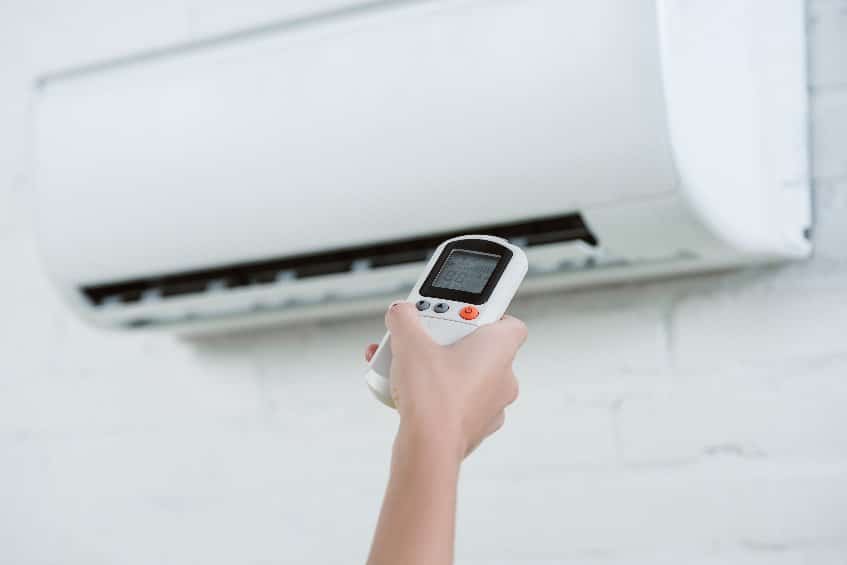
3. Rethink Your Thermostat Habits

In Florida’s climate, constantly setting your thermostat to 70°F or lower isn’t just inefficient—it can cause your system to overwork and wear out faster.

Here’s what we recommend:

  • Set it between 75–78°F during the day (or higher if you’re using ceiling fans).
  • Use a programmable or smart thermostat to automatically raise temps when you’re away—around 82°F is ideal when no one’s home.
  • Try zoning systems if you have hot spots or a multi-story home. Zoned cooling allows you to control temperatures in specific areas and avoid cooling unused rooms.

If your thermostat is more than 8–10 years old, consider upgrading. A smart thermostat can cut cooling costs by up to 10% annually.

4. Improve Your Insulation & Seal Air Leaks

Sarasota homes—especially those built before the 2000s—are notorious for leaky ducts and under-insulated attics. That’s like running your AC with the windows cracked.

Here’s what to focus on:

  • Seal around windows and doors with weatherstripping or caulk.
  • Insulate your attic to an R-30 or R-38 value for optimal cooling retention.
  • Have your ductwork inspected for gaps, damage, or disconnected runs—especially if rooms cool unevenly.

We can check your system for these issues during a maintenance visit and recommend easy fixes that make a big difference.

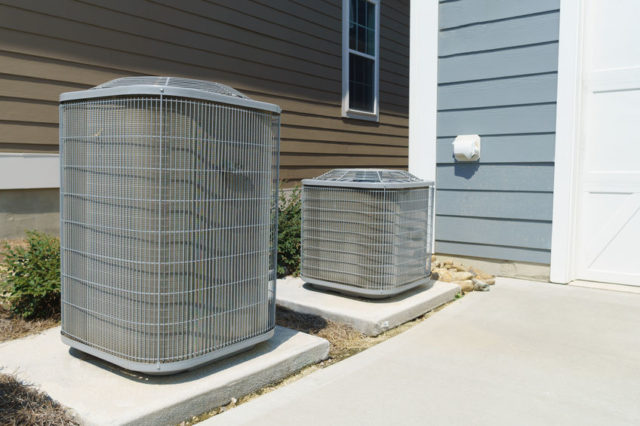
5. Clear the Area Around Your Outdoor Unit

We get it—landscaping is important. But if your outdoor AC unit is boxed in by shrubs or fencing, it can’t expel heat efficiently, which makes the whole system work harder.

  • Keep 2–3 feet of clearance around the unit on all sides.
  • Avoid planting hedges or tall grass too close—even decorative rocks can block airflow if stacked too tightly.
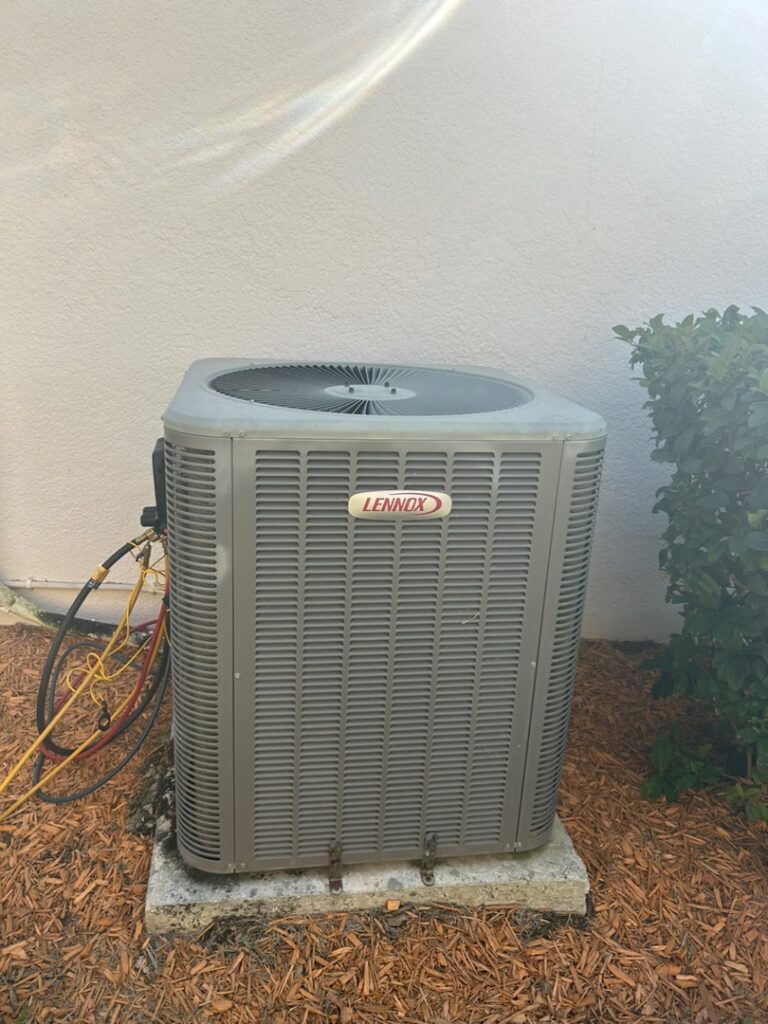
  • Check for leaf debris, mulch, or pet hair collecting in the unit’s fins—especially after windy days or lawn mowing.

We’ll clean and inspect your condenser during any tune-up or repair, but keeping the area clear year-round can really boost performance.

6. Use Fans to Lighten the Load

Ceiling fans aren’t just for decor. They improve circulation and help you feel cooler without lowering the thermostat.

  • Set fans to spin counterclockwise in summer to push air downward.
  • Only run fans when you’re in the room. Fans cool people, not rooms—leaving them on 24/7 is a waste of energy.
  • Pair with a 77–78°F thermostat setting to maintain comfort while reducing strain on your AC.

7. Replace Older Units Before They Become Money Pits

If your AC is more than 12–15 years old, it’s probably operating at a SEER rating of 10 or lower—and costing you significantly more to run than a modern unit.

New systems are quieter, more efficient, and better equipped to handle Sarasota’s coastal climate. We offer professional AC replacement in Sarasota and can help you:

  • Choose the right SEER rating for your budget and home size
  • Determine if your ductwork needs modification
  • Install new systems with minimal downtime

An upgrade now can save you hundreds (or even thousands) in long-term energy costs and emergency repairs.

8. Choose an Air Conditioning Partner Who Knows Sarasota

We’ve been serving Sarasota homeowners for years, and we know what your system is up against: extreme humidity, salt air, unpredictable storms, and year-round usage.

Whether you need emergency repairs, preventive maintenance, or a full replacement, you can count on us to deliver honest recommendations, responsive service, and reliable results. We’re proud to be a go-to air conditioning company in Sarasota that homeowners trust.

Let’s Get Your Sarasota Air Conditioning Running at Full Potential

Want a system that cools faster, lasts longer, and costs less to run? Whether it’s a tune-up, repair, or upgrade, we’re here to help. Contact us today to book an appointment—and let’s make your home as comfortable and efficient as it should be.

Sarasota County Backflow Preventer Installation Mandate: What to Know

Sarasota backflow testing - Wimpy's Plumbing & Air

If you’ve heard about the recent Sarasota backflow testing mandate, you may not know where to go from here. Although it’s become a critical issue for residents due to recent enforcement, it doesn’t mean it has to be difficult. If you’ve recently received a notification about installing or testing a backflow preventer, the team at Wimpy’s Plumbing & Air is here to help. Our Sarasota plumbers will break down everything you need to know about the regulations, responsibilities and processes that can help you stay compliant and protect the public water supply for a healthier community.

What is Backflow?

Backflow is a public water issue that can occur when a change in water pressure allows contaminants to flow backwards into the potable water supply. Potable water is also the same thing as drinking water and goes through treatment to meet quality standards for human consumption. Without a backflow preventer, everything from fertilizers to pesticides and untreated pond water can enter the public water supply and pose a health risk to the community.

Sarasota County’s latest mandate requires backflow preventers and cross-connections to make sure local drinking water is safe. A cross-connection could be the connection between two pipes or anywhere our public drinking water supply comes into contact with a nonpotable source. Our local utilities department enforces these mandates with programs like the Cross-Connection Control Program. 

Sarasota County’s Backflower Preventer Mandate

Sarasota County requires residents, particularly those with auxiliary water systems, including irrigation that utilize reclaimed water, to install or upgrade backflow preventers. The mandate was formed by more sweeping state statutes that are designed to prevent water contamination. 

For example, residents in Venice and Sarasota County were notified they’re required to install backflow prevention devices after finding that pond water was being used for irrigation purposes. If residents are found to be non-compliant, they risk their water service being shut off until installation requirements are met.

Have You Been Notified About Backflow Prevention in Sarasota?

If you’ve already received a notice about Sarasota backflow testing, or you’re concerned about next steps, here’s what to know:

Residential Customers: Sarasota County homeowners are responsible for installing, testing, and maintaining approved backflow preventers. They must also respond to utility notifications and keep records of any maintenance or testing.

Licensed Plumbers: Only a certified, licensed plumber in Sarasota and professionals are allowed to install and test backflow preventers to stay compliant with local codes and keep local drinking water safe. The team at Wimpy’s holds certifications in backflow preventer installation and testing, ensuring that every job adheres to the latest regulatory standards.

Utilities: Sarasota County utilities will oversee the Cross-Connection Control Program to enforce compliance and keep customers notified and updated about any requirements. 

Permits: It’s important to know that you can’t simply install a backflow preventer on its own, due to the safety of everyone’s drinking water. You need a permit from the county that may be required before installation and a certified plumber or professional to do the job.

Installation Standards: Residents are required to place backflow preventers at the service connection, which is the water meter, or in line with local codes and regulations.

Installation is just the first step in protecting the public’s drinking water. Testing backflow devices is also required during installation and then every two years thereafter. Regular backflow testing in Sarasota makes sure everything is functioning properly and free of contamination. 

Call Wimpy’s for Sarasota County Backflow Prevention Installation and Testing

If you live in Sarasota County, you may need an installation for your backflow preventer and testing to stay compliant with local codes while keeping public drinking water safe. The good news is you don’t have to figure it all out on your own. The team at Wimpy’s Plumbing & Air is certified and experienced at dealing with all of your backflow preventer installation and testing needs! We’re also here to answer all of your questions. From backflow preventer installation to drain cleaning in Sarasota, schedule your appointment today!

Schedule Now

"*" indicates required fields

This field is for validation purposes and should be left unchanged.