
Rated 5.0 Stars

Sarasota & Manatee County, FL

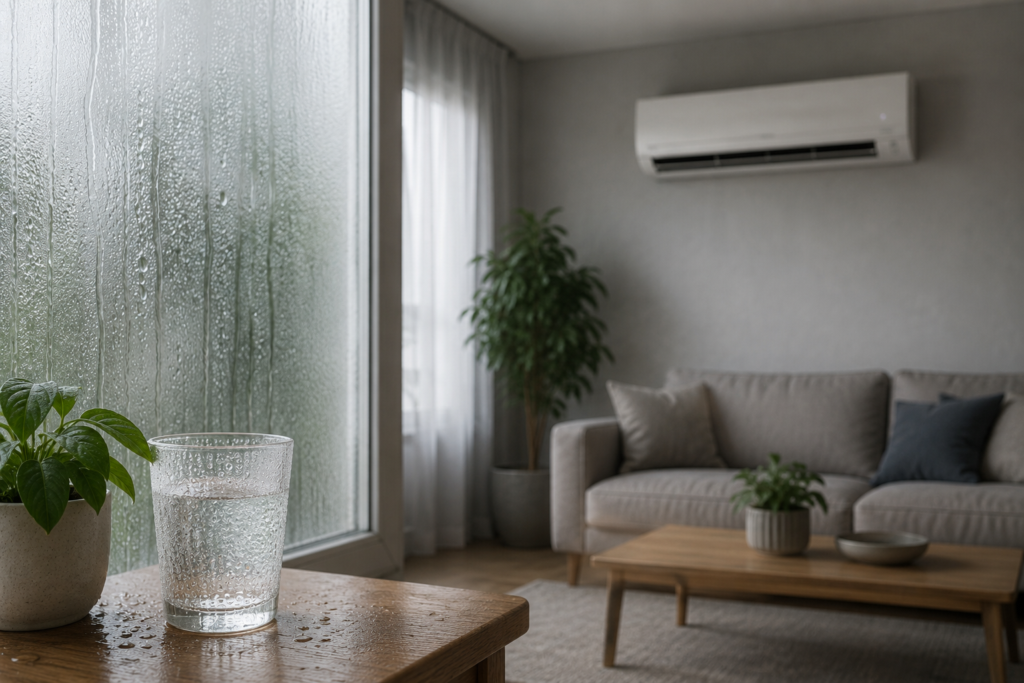
Why Is My House So Humid Even With the AC Running?

If your Sarasota home feels sticky and muggy despite the AC running all day, you’re not imagining it. High indoor humidity during Florida’s rainy season is one of the most common comfort complaints we hear, and the AC being on doesn’t automatically mean the humidity is under control. Understanding why this happens is the first step toward fixing it.

Your AC Cools the Air — But Dehumidifying Is a Secondary Function

Most homeowners assume that if the AC is running, the humidity is being handled. That’s partly true. As warm air passes over the cold evaporator coil, moisture condenses out of it, much like water beads on a cold glass. That process removes humidity as a byproduct of cooling.

The problem is that dehumidification only happens efficiently when the system runs long enough for the coil to do its job. Several conditions can prevent that from happening consistently.

Common Reasons Your AC Isn’t Controlling Humidity

There are a few distinct causes, and they’re worth understanding because the fix depends entirely on which one applies to your home.

Oversized AC System

This is the most frequent culprit in Florida. An oversized system cools the air so quickly that it reaches the thermostat setpoint and shuts off before it has time to remove meaningful moisture. The house feels cool but clammy. This “short cycling” problem can’t be patched with a thermostat adjustment. It requires addressing the equipment sizing itself.

An Aging or Underperforming System

As AC systems age, refrigerant levels can drop and coil efficiency declines. A system running low on refrigerant loses its ability to pull moisture effectively, even if it still cools to temperature. AC maintenance that includes a refrigerant check can identify this quickly.

High Infiltration from Outside

Sarasota’s rainy season brings persistent outdoor humidity in the 80 to 90 percent range. If your home has gaps around doors, windows, or ductwork that allow outside air in, no AC system can keep up. Air sealing and duct integrity both matter here.

Dirty Evaporator Coil

A coil coated in dust and debris can’t transfer heat or pull moisture the way it’s designed to. Coil cleaning is a standard part of professional AC maintenance and makes a real difference in how effectively the system dehumidifies.

Undersized System Running Constantly

The opposite of short cycling, an undersized system runs nonstop but still can’t keep up with the heat and moisture load of a Florida summer. If your system runs for hours without reaching setpoint, sizing is likely the issue.

Each of these has a different solution, which is why diagnosis matters before throwing money at the problem.

What Indoor Humidity Should Actually Be in Florida

The EPA recommends keeping indoor relative humidity between 30 and 50 percent. In Florida, achieving the lower end of that range is difficult, but staying consistently under 60 percent is an important threshold. Above 60 percent, mold growth accelerates, dust mites thrive, and the home simply feels uncomfortable regardless of temperature.

A basic digital hygrometer from a hardware store lets you monitor your indoor humidity in real time. If you’re regularly seeing readings above 55 to 60 percent with the AC running, that’s worth addressing with a professional.

FAQs About 

Is high indoor humidity dangerous for my home?

Persistent indoor humidity above 60 percent creates conditions where mold and mildew grow readily, particularly in areas with limited airflow like closets, bathrooms, and behind furniture. Beyond health concerns, sustained moisture can damage wood framing, flooring, and drywall over time. Florida homes are especially vulnerable because the humidity pressure from outside is nearly constant during summer months.

Can I fix a humidity problem by lowering my thermostat?

Lowering the thermostat set point may make the house feel more comfortable temporarily, but it doesn’t address the underlying cause and increases energy costs. If the issue is an oversized system short cycling, running it colder actually makes the problem worse by shortening run times further. The fix needs to address why the system isn’t removing moisture, not just how cold it gets.

How do I know if my AC is the right size for my home?

Proper AC sizing requires a Manual J load calculation, which accounts for square footage, insulation, window area, ceiling height, and local climate data. If your system was sized by rule of thumb or a quick estimate, it may be over or undersized. A licensed HVAC technician can evaluate your system’s performance and confirm whether sizing is contributing to your humidity issue.

When a Whole-Home Dehumidifier Makes Sense

If the AC system is properly sized and well-maintained but humidity is still an issue, a whole-home dehumidifier is often the right next step. These units integrate with your existing HVAC system and run independently of the cooling cycle, pulling moisture from the air even when the AC isn’t actively running.

This is particularly valuable in Florida homes during the shoulder months of May and October, when outdoor temperatures are moderate enough that the AC doesn’t run frequently, but humidity is still high. It’s also a practical solution for homes where occupancy or cooking habits generate significant indoor moisture. Our indoor air quality solutions — including whole-home dehumidification — can be assessed and installed alongside your existing HVAC equipment.

Wimpy’s Plumbing & Air helps Sarasota homeowners get to the root of humidity problems rather than just treating the symptoms. Whether it’s a maintenance issue, a sizing problem, or a case for dedicated dehumidification, our technicians diagnose the actual cause. Call us at (941) 294-3214 or schedule service online to get your home comfortable before the rainy season peaks.

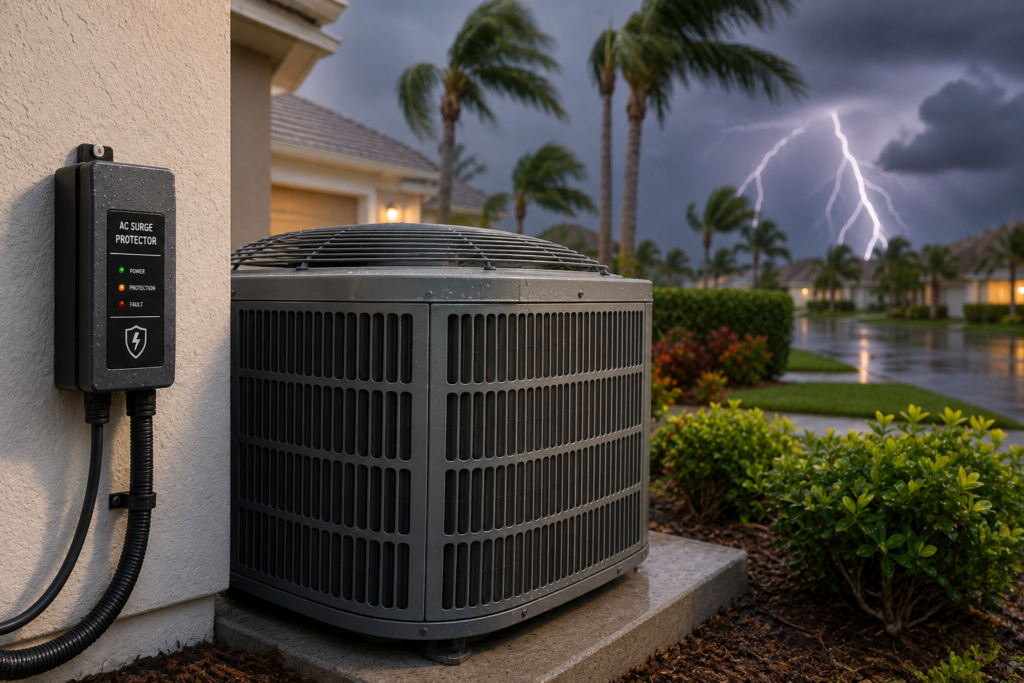
AC Surge Protectors: Essential Defense for Sarasota’s Storm Season

Florida averages more lightning strikes than almost any other state in the country, and Sarasota is squarely in the thick of it. Every summer, thousands of HVAC systems take indirect hits from nearby lightning, and most homeowners have no idea their unit is even at risk until the compressor fails mid-August. An AC surge protector is one of the lowest-cost, highest-value things you can add to your home before storm season ramps up.

What Happens to Your AC During a Power Surge

Your air conditioner runs on a significant amount of electricity. The compressor, condenser fan motor, and control board are all sensitive to voltage spikes, and they don’t have to take a direct lightning hit to get fried. A surge can travel through the utility line during a nearby strike or even when the power flickers back on after an outage.

When a surge hits unprotected equipment, the damage can be immediate or it can degrade components slowly over time. Either way, the result is the same: a repair bill, or worse, a full system replacement years before you should need one.

What an AC Surge Protector Does

A whole-system surge protector installs at your disconnect box and acts as a first line of defense between incoming power and your equipment. When a voltage spike occurs, the device absorbs or redirects excess current before it reaches your AC components.

Most quality surge protectors for HVAC systems are rated to handle tens of thousands of amps of surge current, far more than what a standard power strip can manage. They’re built for outdoor use, weatherproof, and designed to work specifically with the high-draw electrical loads that air conditioners require.

A few things a good HVAC surge protector protects:

  • Compressor: The most expensive component in your system, often $1,500 to $3,000 or more to replace
  • Control board: The “brain” of your system; a surge can wipe it out and leave your unit completely non-responsive
  • Condenser fan motor: Frequently damaged by indirect surges during storms

While the device itself does a heavy lift, it works best as part of a broader electrical protection strategy. Whole-home surge protection at the panel adds another layer of defense for everything in the house.

Do I Need One If I Have a Home Warranty?

Many homeowners assume their home warranty or homeowner’s insurance covers storm-related AC damage. Coverage varies widely, and most standard policies have exclusions or require proof of a direct lightning strike. Surge damage is notoriously difficult to claim because it often looks like normal wear to an adjuster.

A surge protector is inexpensive by comparison. Most units run between $150 and $400 installed, which is a fraction of a compressor replacement. It’s also worth checking whether your manufacturer’s warranty requires surge protection, since some high-efficiency inverter systems are more voltage-sensitive than older single-stage units.

FAQs 

Does a surge protector prevent all lightning damage to my AC?

A surge protector significantly reduces the risk of surge-related damage but cannot guarantee protection from a direct lightning strike. Direct hits can overwhelm even properly rated equipment. The device protects against the far more common indirect surges that travel through power lines during nearby strikes and grid fluctuations.

How long does an AC surge protector last?

Most HVAC surge protectors last 5 to 10 years under normal conditions. After absorbing a significant surge event, the device may need to be replaced even if your AC system is unharmed. Many models have an indicator light that shows whether the unit is still operational. A technician can inspect it during routine maintenance visits.

Can I install an AC surge protector myself?

Installation involves working with your home’s electrical disconnect box, which requires proper safety precautions and local code compliance. Most manufacturers recommend professional installation to ensure the unit is correctly wired and properly rated for your system. Improper installation can void both the surge protector warranty and your AC manufacturer’s warranty.

When to Schedule Installation

The best time to have a surge protector installed is before storm season, which in Sarasota typically runs from June through September. If you’re scheduling your annual AC maintenance tune-up, it’s easy to add surge protector installation at the same visit and avoid a second service call.

If you’ve recently replaced your system or invested in a new high-efficiency unit, protecting that investment right away makes especially strong sense. The newer the equipment, the more sensitive the electronics tend to be.

If you’re unsure whether your existing system already has a surge protector installed, a technician can check during any service visit. Many older installations don’t have one, and homeowners often don’t know it’s missing.

Wimpy’s Plumbing & Air helps Sarasota homeowners protect their HVAC systems before storm damage occurs. Our technicians install whole-system surge protectors and can assess your current setup during any scheduled maintenance or service call. Schedule service today or call us at (941) 294-3214 to get protected before the storms arrive.

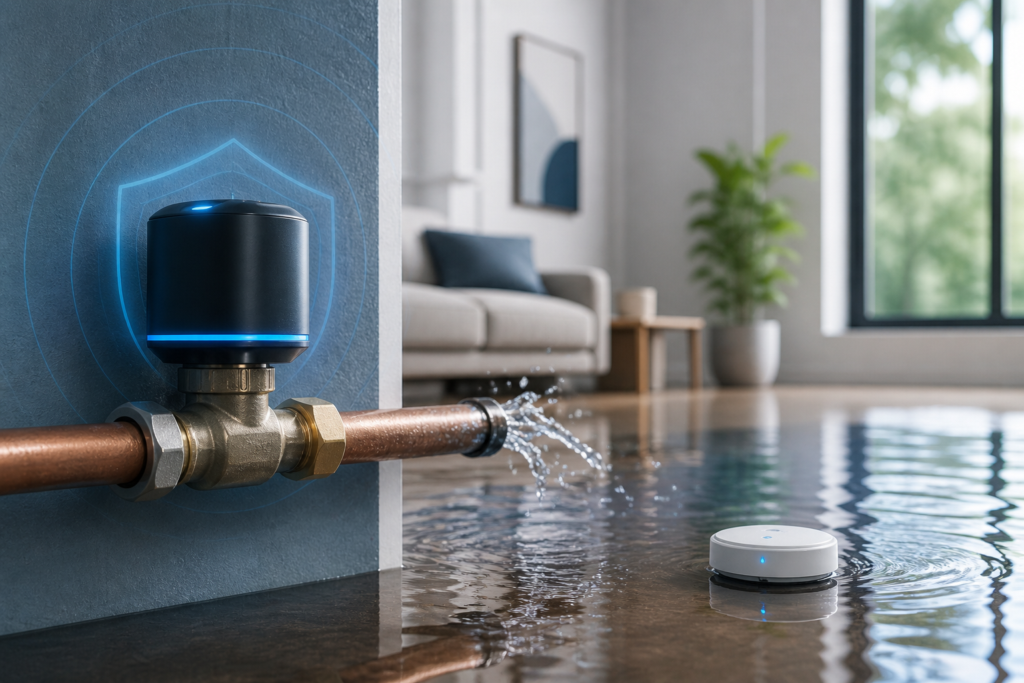
Smart Water Valves: How to Stop Leaks Before They Flood Your Home

Water damage is one of the most expensive and disruptive problems a homeowner can face. A slow leak behind a wall, a running toilet that goes unnoticed for weeks, or a burst pipe while you’re on vacation can result in thousands of dollars in repairs and a lengthy insurance claim. Smart water shut-off valves are changing the way Florida homeowners protect their properties, and Wimpy’s Plumbing & Air is here to help you get one installed.

What Is a Smart Water Shut-Off Valve?

A smart water shut-off valve is a device installed on your home’s main water line that continuously monitors water flow and pressure. Using onboard sensors and connected software, these devices can detect irregularities that signal a leak, including ones too subtle for a homeowner to notice on their own.

One of the leading products on the market is the Moen Flo, an excellent option for homeowners looking to add a layer of automated leak protection.

Moen Flo

The Moen Flo monitors your home’s water usage around the clock and runs a daily “Health Test” to check for micro-leaks, such as a slow drip from a toilet flapper or a pinhole leak inside a wall. If the device detects an anomaly, it sends an alert to your smartphone. In the event of a major burst, it automatically shuts off the water supply before flooding can occur.

The Insurance Discount You May Not Know About

Here is where smart water valves become an especially smart investment for Florida homeowners: many home insurance carriers operating in the state offer premium discounts for homes equipped with certified leak detection systems. Given that Florida’s insurance market has seen significant rate increases in recent years, any qualifying discount is worth pursuing.

The discount varies by carrier and policy, but some homeowners report savings of 5 to 10 percent annually. Over time, those savings can offset the cost of the device and the professional installation, making a smart water shut-off valve one of the more financially sound home upgrades you can make.

We recommend checking with your insurance provider before and after installation to document the upgrade and ensure you receive any applicable discount.

Why Professional Installation Matters

The Moen Flo requires installation on your main water supply line, which involves cutting into existing pipes and making secure connections. This is not a DIY project. An improperly installed device can create new leak points or fail to shut off correctly when triggered. As a licensed Florida plumbing contractor, Wimpy’s Plumbing & Air installs these systems correctly the first time, ensuring the device communicates properly and your water line remains secure.

If you are searching for a Moen Flo installer in Sarasota or surrounding areas, our team is ready to help. We carry and install several leading leak detection systems and can recommend the right fit based on your home’s plumbing configuration.

Protect Your Home Before a Leak Becomes a Flood

Smart leak detection is one of the most practical investments a Florida homeowner can make. Between the threat of undetected micro-leaks, the risk of catastrophic pipe failure, and the potential for meaningful insurance savings, a smart water shut-off valve pays for itself in peace of mind alone.

Contact Wimpy’s Plumbing & Air today to schedule your smart water valve installation and start protecting your home from the inside out.

Frequently Asked Questions 

What is a smart water shut-off valve?

A smart water shut-off valve is a device installed on your main water line that monitors flow and pressure in real time. It detects both minor leaks, like a continuously running toilet, and major events like a burst pipe, and can automatically cut off water supply to prevent flooding.

How does the Moen Flo detect leaks? 

The Moen Flo runs a daily pressure test on your home’s plumbing and monitors water flow around the clock. When it detects an irregularity consistent with a leak, it sends an alert to your phone and, in serious cases, automatically shuts off the water.

Will a leak detection system lower my home insurance in Florida? 

Many Florida insurance carriers offer discounts for homes with certified leak detection and auto-shutoff devices. The discount amount varies by provider, but it can range from 5 to 10 percent annually. Check with your insurer to confirm eligibility and required documentation.

Do I need a plumber to install a smart water valve? 

Yes. Installation requires cutting into your main water supply line and making secure pipe connections. Improper installation can create new vulnerabilities or cause the device to malfunction. A licensed plumbing contractor ensures the system is installed correctly and functions as intended.

How much does smart water valve installation cost in Sarasota? 

Installation costs vary depending on the device selected, your home’s plumbing configuration, and accessibility of the main water line. Contact Wimpy’s Plumbing & Air for a straightforward quote on smart water shut-off valve installation in the Sarasota area.

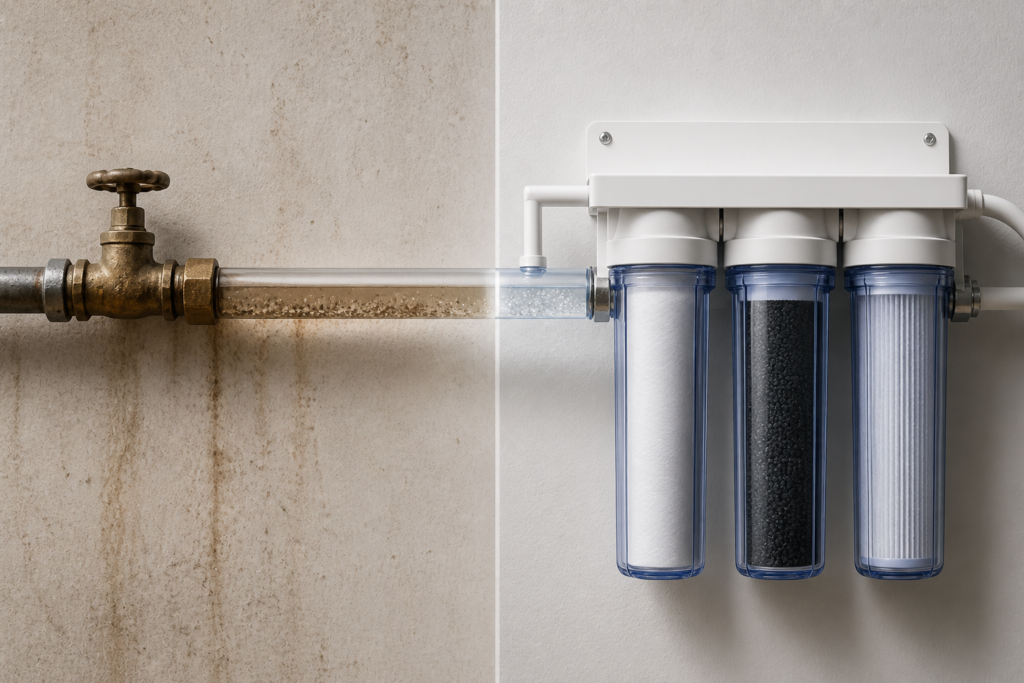
Why a Water Filtration System is the Best Defense for Your Home’s Plumbing

Florida homeowners deal with a water quality challenge that many other parts of the country simply do not face at the same level. Between high mineral content, municipal treatment byproducts, and the particular characteristics of the Floridan Aquifer, the water coming out of your taps in Sarasota may look clean while quietly causing damage to your plumbing, appliances, and fixtures. A whole house water filtration system is one of the most effective ways to protect your home and improve the quality of the water your family uses every day.

What Makes Sarasota Water Hard on Your Plumbing

Sarasota water quality is shaped largely by the region’s geology. Water drawn from Florida’s aquifer system tends to be high in calcium and magnesium, the minerals responsible for hard water. Over time, hard water leaves scale buildup inside pipes, water heaters, dishwashers, and washing machines. That buildup restricts flow, forces appliances to work harder, and shortens their lifespan considerably.

Hard water damage to plumbing is not always visible until a problem has already developed. Scale accumulates gradually inside supply lines and around valve seats, and by the time you notice reduced water pressure or a failing water heater, the damage has been building for years.

Water Softener vs. Water Filtration: What Is the Difference?

This is one of the most common questions homeowners ask, and the answer matters for how you protect your home.

Water Softener 

A water softener targets hardness minerals specifically, using a salt-based ion exchange process to swap calcium and magnesium for sodium. It is highly effective at preventing scale buildup and is often the right choice for homes with severely hard water.

Water Filtration

A whole house water filtration system casts a wider net. Depending on the type of system installed, it can reduce chlorine and chloramines from municipal treatment, filter out sediment, remove volatile organic compounds, and address issues like sulfur odor, which is a common complaint among homeowners on well water in Florida. Many modern systems combine filtration and softening in a single unit, addressing both hardness and broader water quality concerns at once.

The right solution for your home depends on a water quality test, your plumbing configuration, and your household’s priorities. A licensed plumber can help you evaluate your options and recommend a system sized correctly for your home.

Protecting Your Appliances and Fixtures with Water Filtration

The financial case for whole house water filtration in Florida is straightforward. Hard water and unfiltered contaminants reduce the efficiency and lifespan of water heaters, dishwashers, refrigerator water lines, washing machines, and shower fixtures. 

Replacing a water heater that failed prematurely due to scale buildup costs significantly more than the investment in a filtration or softening system. When you factor in the extended lifespan of appliances, reduced plumbing maintenance, and the improved performance of soaps and detergents in softened water, a whole house system typically pays for itself over time.

FAQs

What is a whole house water filtration system?

A whole house water filtration system is installed on your main water supply line and treats all water entering your home before it reaches any tap, appliance, or fixture. Depending on the system, it can reduce hardness minerals, sediment, chlorine, sulfur, and other contaminants that affect water quality and plumbing health.

Is Florida water hard?

Yes, water in much of Florida, including the Sarasota area, is considered hard to very hard. It draws from limestone-rich aquifer systems that naturally carry elevated levels of calcium and magnesium. These minerals contribute to scale buildup in pipes and appliances over time.

What is the difference between a water softener and a water filtration system?

A water softener uses a salt-based ion exchange process to remove hardness minerals specifically. A water filtration system addresses a broader range of water quality issues, including sediment, chlorine, odor, and organic compounds. Many homeowners benefit from a system that combines both functions.

Can hard water damage my plumbing?

Yes. Hard water deposits scale inside pipes, around valve seats, and inside appliances like water heaters and dishwashers. Over time, this buildup restricts water flow, reduces appliance efficiency, and can lead to premature failure of plumbing components and fixtures.

How do I know which water filtration system is right for my home?

A water quality test is the best starting point. From there, a licensed plumber can evaluate your plumbing configuration, household water usage, and specific concerns to recommend a correctly sized system. Wimpy’s Plumbing & Air offers consultations for homeowners in the Sarasota area.

Does a whole house water filtration system require professional installation?

Yes. Installation involves the main water supply line and must be sized and configured correctly for your home. Improper installation can affect water pressure and system performance. A licensed plumber ensures the system is installed to manufacturer specifications and local code requirements.

Why Professional Installation Matters

A whole house water filtration system is installed at the point where your main water line enters the home, meaning it treats all water before it reaches any fixture or appliance. Proper installation requires knowledge of your existing plumbing layout, correct sizing for your household’s water demand, and in some cases, coordination with electrical requirements for systems that include UV purification components. An improperly sized or installed system will underperform and may create pressure or flow issues throughout the home.

Wimpy’s Plumbing & Air installs whole house water filtration and softening systems throughout the Sarasota area. Our licensed plumbers assess your water quality, recommend the right system for your home, and install it correctly so you get the full benefit from day one.

Ready to protect your plumbing and improve your water quality? Contact Wimpy’s Plumbing & Air today to schedule a consultation and find out which water filtration solution is right for your Sarasota home.

Why Your AC Leaks Water: Prevent Clogged Condensate Lines

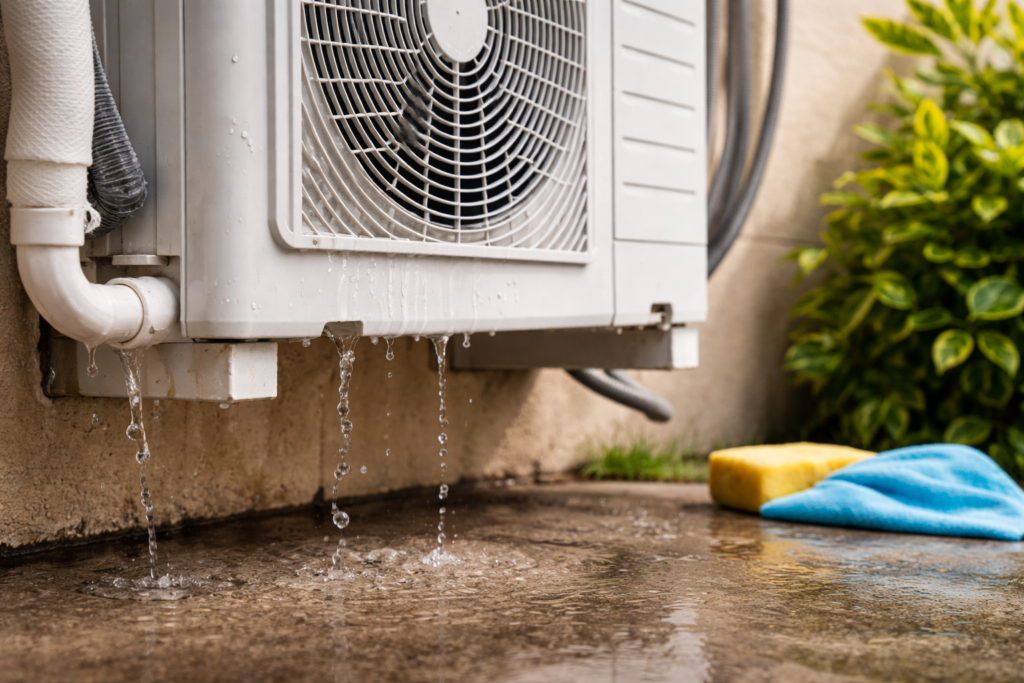
If you’ve ever noticed water pooling around your indoor unit, you’re not alone. One of the most common summer service calls in Florida is an AC leaking water inside the home, and in many cases, the culprit is a clogged condensate drain line.

Understanding the symptoms of a clogged AC drain line and how to prevent them can save you from water damage, mold growth, and expensive repairs.

What Causes an AC to Leak Water?

Your air conditioner doesn’t just cool your home. It also removes humidity. That moisture collects as condensation and drains away through a small pipe called the condensate drain line.

Over time, that line can become blocked by algae growth, dirt and debris, and even mold buildup. When this happens, the water has nowhere to go. Instead, it backs up into your system and can eventually overflow into your home, leading to visible leaks and potential water damage.

Symptoms of an AC Drain Line Clog to Watch For

Catching the problem early can prevent serious damage. Look for these warning signs:

  • Water pooling around your indoor air handler
  • A musty or moldy smell near vents
  • Your AC shutting off unexpectedly
  • Visible water stains on ceilings or walls
  • A full or overflowing drain pan

If you notice AC leaking water inside your home, it may be time to schedule professional AC repair before the issue worsens.

How to Clean Your AC Drain Line with Vinegar

Routine maintenance can help prevent clogs before they start. One of the easiest DIY methods is a vinegar flush.

Step-by-Step Vinegar Flush

  1. Turn off your AC system at the thermostat and breaker
  2. Locate the drain line access point, usually a PVC pipe near your indoor unit
  3. Remove the cap from the access point
  4. Pour about 1 cup of distilled vinegar into the pipe
  5. Let it sit for 30 minutes to break down algae and buildup
  6. Flush with water if needed and replace the cap

This simple method for how to clean an AC drain line with vinegar can help keep your system running smoothly, especially during peak cooling season.

Tip: Repeat this every 1 to 2 months during summer for best results.

What Is a Float Switch and Why It Matters

A float switch is a small but powerful safety device installed in your AC’s drain system.

How It Works

When water levels in the drain pan rise too high, the float switch automatically shuts off your air conditioner. This prevents overflow and stops water from spilling into your home.

Why It Is Critical

Without a float switch:

  • Water can continue to overflow unchecked
  • Ceilings can become saturated and collapse
  • Mold and structural damage can develop quickly

With a float switch in place, your system shuts down before damage occurs.

Should You Consider AC Float Switch Installation?

If your system does not already have one, AC float switch installation is a smart and affordable upgrade. This device provides automatic protection against water damage by shutting off your system if the drain pan begins to overflow. It also serves as an early warning sign of drainage issues, helping you address problems before they escalate. For many homeowners, it adds valuable peace of mind, especially when they are away from home for extended periods.

Many people only realize they need a float switch after dealing with a leak, but installing one proactively can help you avoid that situation altogether. If your system is older or lacks modern safety features, it may be worth discussing these upgrades during an AC installation consultation.

Preventing Future Drain Line Clogs

In addition to regular vinegar flushes, a few simple habits can help reduce the risk of clogs:

  • Change your air filter regularly
  • Schedule annual AC maintenance
  • Keep the area around your indoor unit clean
  • Have a professional inspect your drain line and safety devices

Preventative care is always less expensive than emergency repairs.

FAQs

Why is my AC leaking water inside my house?

The most common cause of AC leaking water inside is a clogged condensate drain line. When the line is blocked, water backs up and overflows from the drain pan.

How often should I clean my AC drain line with vinegar?

It is recommended to perform a vinegar flush every 1 to 2 months during heavy AC use, especially in humid climates like Florida.

What does a float switch do on an AC system?

A float switch detects rising water levels in the drain pan and shuts off your system to prevent overflow and water damage.

Is AC float switch installation worth it?

Yes. It is a low-cost upgrade that can prevent major damage such as ceiling collapse, mold growth, and costly repairs.

Protect Your Home from Costly AC Leaks

A clogged condensate line might seem like a small issue, but it can quickly turn into a major problem. By recognizing the warning signs, performing simple maintenance, and investing in protective devices like a float switch, you can keep your system running safely all summer long.

If you are dealing with water around your AC or want to upgrade your system with a float switch, contact Wimpy’s Plumbing & Air today. Our team can clear your drain line, perform a full inspection, and help protect your home from unexpected water damage.

Snowbird Plumbing Checklist: Protect Your Sarasota Home

If you’re heading north for the season, properly preparing your home before you leave is essential. This snowbird home watch checklist goes beyond the basics to help prevent plumbing damage, mold growth, and costly repairs while your Sarasota home sits empty. Follow this step-by-step guide to confidently close up your home for summer.

Step 1: Turn Off the Main Water Supply

One of the most important steps in preparing your Florida home for summer vacancy is shutting off the main water supply. Locate the shut-off valve, which is typically near your water meter or where the main line enters your home, and turn it clockwise until it stops. Afterward, briefly open a faucet to confirm the water has been fully shut off.

This simple step reduces the risk of leaks, burst pipes, or unnoticed water damage while you’re away.

Step 2: Shut Off the Water Heater (Critical!)

Many homeowners forget this step, but it’s essential.

If you turn off the water main for vacation but leave your water heater powered on, it can continue heating an empty tank. This may burn out the heating element, leading to expensive repairs or replacement.

What to do:

  • Turn off the breaker for your electric water heater at the electrical panel
  • For gas units, switch the heater to “vacation” mode or turn it off completely

Step 3: Drain Excess Water from Plumbing Fixtures

After shutting off the water supply, it is a good idea to relieve pressure in your system by running faucets briefly and flushing toilets to remove most of the remaining water. You can also drain outdoor spigots and any exposed lines to minimize standing water while the home is vacant. This helps minimize standing water that could cause issues over time.

Step 4: Protect Drains and Toilets with Antifreeze

In Florida’s heat, water in drains and toilet bowls can slowly evaporate. When this happens, it can break the seal that blocks sewer gases from entering your home.

Prevent this by pouring non-toxic (RV) antifreeze into:

  • Toilet bowls
  • Sink drains
  • Shower and tub drains

This keeps seals intact and prevents unpleasant odors or potential pest intrusion. If your drains are already slow or prone to buildup, professional drain cleaning before you leave can help prevent issues while your home is vacant.

Step 5: Set Your Humidistat Correctly

Humidity control is crucial when your home is vacant for months. Improper settings can lead to mold growth or unnecessarily high energy bills.

Recommended humidistat settings for an empty house:

  • Set humidity between 55%–60%
  • Pair with your thermostat set around 78–82°F

This balance helps prevent mold and mildew without overworking your HVAC system. Scheduling AC maintenance before you leave ensures your system can properly manage humidity while your home is unoccupied.

Step 6: Check for Leaks Before You Leave

Before you leave, take a few minutes to inspect your home for any signs of leaks. Check under sinks, around appliances, and near your water heater for drips, corrosion, or moisture. Catching even a small issue now can prevent significant damage while you are away.

Step 7: Clean and Prepare Appliances

Preparing your appliances is another important step before closing up your home. Empty and clean your refrigerator, and if you plan to unplug it, leave the doors slightly open to prevent odors. You should also turn off and disconnect washing machine hoses if possible, and run your garbage disposal with water to clear out any debris.

Step 8: Consider a Home Watch Service

Even with a thorough snowbird home watch checklist, having someone periodically inspect your property adds peace of mind.

A professional home watch service can:

  • Check for leaks or HVAC issues
  • Ensure humidity levels are stable
  • Catch problems early before they escalate

Quick Printable Checklist

Before You Leave:

☐ Turn off main water supply

☐ Shut off water heater breaker or gas setting

☐ Run faucets and flush toilets

☐ Add non-toxic antifreeze to drains and toilets

☐ Set humidistat to 55–60%

☐ Set thermostat to 78–82°F

☐ Inspect for leaks

☐ Prepare appliances

☐ Arrange home watch service

FAQs

What happens if I forget to turn off my water heater?

If the water supply is off but the heater remains on, it can overheat and burn out the heating element, leading to costly repairs or replacement.

Do I really need antifreeze in Florida?

Yes. Even without freezing temperatures, evaporation can dry out drain traps and toilet seals, allowing sewer gases into your home. Non-toxic antifreeze prevents this.

What are the best humidistat settings for an empty house?

For most Sarasota homes, setting humidity between 55% and 60% strikes the right balance between mold prevention and energy efficiency.

Should I turn off the water main for vacation every time?

If you’ll be gone for an extended period, turning off the main water supply is strongly recommended to reduce the risk of leaks or flooding.

Schedule Your Pre-Departure Plumbing Check with Wimpy’s Plumbing & Air

Leaving your seasonal home unattended doesn’t have to be stressful. By following this step-by-step checklist, you can protect your plumbing, maintain indoor air quality, and avoid costly surprises when you return.

Need help preparing your home before you head out for the season? Contact Wimpy’s Plumbing & Air today to schedule a professional inspection and ensure your Sarasota home is fully protected while you’re away.

A Fresh Look for a Trusted Name: Introducing the New Wimpy’s Plumbing & Air

Dear Wimpy’s Family,

For generations, Wimpy’s Plumbing & Air has stood for something simple and powerful: Showing up, doing the job right, and taking care of people like they are family. For over 50 years, Wimpy’s Plumbing & Air has stood as a trusted name people rely on to keep their homes comfortable. Since our founding in 1973 by Winifred “Wimpy” Butler, this company has been built on the simple but enduring values of honesty, hard work and excellent service.

Today we are excited to share the next chapter of that story. You’ll start noticing a new logo, a new character, and refreshed brand colors across our trucks, uniforms, website, and communications. This brand refresh isn’t about changing who we are – it’s about better reflecting who we’ve always been. What’s staying the same:

While our look is evolving, the heart of Wimpy’s remains unchanged.

  • We are still family-owned and operated, rooted in the same values that have
    driven us since 1973.
  • We still deliver superior customer service with a smile.
  • Our workmanship is still driven by thoughtful craftsmanship and expertise.
  • We are still committed to being the team you trust in your home.

Our new look pays tribute to the long history that built Wimpy’s into a name people trust, while bringing forward the energy, warmth and pride that define us. The brand represents the craftsmanship, dependability, and friendly service that customers have counted on for years – now expressed in a way that feels bold, approachable, and unmistakably Wimpy’s. What hasn’t changed – and never will – is our commitment to you.

With pride and appreciation,
The Wimpy’s Plumbing & Air Team

Cast Iron Pipe Replacement in Sarasota: Modern Solutions for Older Homes

If you own a home built in the 1970s, 80s, or 90s in Sarasota, your plumbing may be quietly aging, and some of those old cast iron pipes could be nearing the end of their lifespan. Cast iron was the standard for drain lines decades ago, but time, Florida’s soil, and constant use can take a toll. 

Understanding the signs of a broken sewer pipe, the cost of upgrading, and modern replacement options can save you headaches, water damage, and unexpected repair bills.

Cast Iron vs PVC Drain Lines

Cast iron was prized for its durability and soundproofing, but even the sturdiest pipes can fail after 40–50 years. Common issues with aging cast iron include:

  • Frequent backups or slow drains – As pipes corrode from the inside, debris and waste flow less efficiently.
  • Pest problems – Roaches and other insects can take advantage of cracks and gaps in failing pipes.
  • “Channeling” or erosion at the pipe bottom – Water and solids carve grooves that reduce flow and eventually lead to leaks or collapses.

Modern PVC drain lines offer several advantages over old cast iron: they are lightweight, corrosion-resistant, and easier to work with during repipes. While cast iron is strong, PVC generally lasts longer in Florida’s unique soil conditions and is less prone to tree root intrusion.

How to Know If You Need Cast Iron Pipe Replacement in Sarasota

Not every older home needs a full replacement, but there are clear warning signs:

  • Frequent clogs in multiple fixtures
  • Foul or sewer-like odors in your home
  • Water pooling or slow drainage in tubs and sinks
  • Visible cracks or leaks in exposed pipes

If you notice any of these, it’s worth consulting a professional plumber to evaluate whether your system requires a trenchless repipe or traditional replacement.

Understanding Trenchless and Tunneling Repipe Methods

Many homeowners worry that replacing old cast iron will mean tearing up walls, floors, or yards. Thanks to modern plumbing technology, trenchless or tunneling repipes allow your system to be upgraded with minimal disruption.

  • Tunneling/trenchless repipe – Plumbers access your main drain lines through small entry points. Pipes are replaced without removing large sections of flooring or landscaping.
  • Traditional repipe – Involves removing sections of pipe, often behind walls or under floors. While more invasive, it can still be necessary in certain layouts.

Either method ensures your home’s plumbing is safer, more reliable, and compatible with modern fixtures.

Plumbing Repipe Cost in Florida

Costs vary depending on the size of your home, the method used, and accessibility of your pipes. On average, homeowners in Sarasota can expect:

  • Trenchless repipe: Typically higher upfront cost but less disruptive, often saving money on restoration of walls, floors, and landscaping.
  • Traditional repipe: Lower material cost but higher labor and repair costs due to wall/floor reconstruction.

Investing in a repipe now can prevent repeated emergency plumbing calls and protect your property value. Comparing cast iron vs PVC drain lines in terms of lifespan, cost, and durability shows that modern PVC solutions often provide better long-term value.

FAQ

What are common signs of a broken sewer pipe?

Frequent backups, slow drains, foul odors, visible cracks, or water pooling are all red flags. Roaches or pests may also indicate leaks in cast iron pipes.

How long do cast iron pipes last in Florida homes?

Typically 40–50 years, but soil conditions, moisture, and usage can shorten lifespan. Older Sarasota homes are often approaching or exceeding this age range.

Is a trenchless repipe really less disruptive than traditional methods?

Yes. Trenchless or tunneling repipes allow plumbers to replace pipes with minimal wall, floor, or yard damage, making the process faster and cleaner.

How much does a full repipe cost in Florida?

Costs vary depending on home size, pipe access, and method. Trenchless repipes are usually more expensive upfront but reduce repair costs post-installation, while traditional methods may have lower material costs but higher labor and restoration expenses.

Taking Action

If your Sarasota home shows any signs of failing cast iron pipes, don’t wait for a major backup or water damage. Wimpy’s Plumbing & Air specializes in cast iron pipe replacement in Sarasota, offering both trenchless and traditional repipe options to fit your home and budget. 

Protect your plumbing system, improve reliability, and enjoy peace of mind. Contact us today at (941) 322-1911 for a professional evaluation and estimate.

Are HVAC UV Lights Worth It? Fighting Mold & Allergies in Sarasota

If you live in Sarasota, you know how relentless Florida humidity can be. That moisture doesn’t just make summers sticky; it’s also a breeding ground for mold, mildew, and bacteria inside your HVAC system. 

This is where HVAC UV lights come in, but you might be wondering: are they really worth the investment? Let’s take an honest look at the benefits, limitations, and the role they play in keeping your home comfortable and healthy.

How HVAC UV Lights Work

UV lights in HVAC systems come in two main types:

  1. In-duct (air sanitizing) lights – These units are installed inside the ductwork and aim to neutralize airborne germs and particles as air circulates through your system.
  2. Coil-mounted (stick lights) UV systems – These are placed directly near the evaporator coil. Their primary function is to keep the coil clean and dry, preventing mold buildup and that infamous “dirty sock syndrome” smell.

While in-duct units can offer modest air sanitizing, coil-mounted UV lights are particularly valuable in Florida’s humid climate because they protect the part of your system most susceptible to mold and mildew.

Mold Prevention: The Real Value

For homeowners in Sarasota, mold in AC ducts is more than just a nuisance. It’s a health concern. Mold spores can exacerbate allergies, trigger asthma, and contribute to musty odors in your home. Installing a UV light near the coil creates a hostile environment for mold growth, essentially acting as an insurance policy for your system.

Unlike general air purifiers, UV lights aren’t meant to replace filtration; they complement it. The coil stays clean, airflow remains efficient, and you reduce the risk of the “dirty sock” smell caused by stagnant, moldy condensate. In other words, a UV light is more about preventing problems at the source rather than just chasing germs floating in the air.

Advanced Air Purification Options from Wimpy’s

While in-duct UV lights are highly effective at preventing microbial growth inside your HVAC system, Wimpy’s also offers enhanced indoor air quality solutions through Solace Air purification systems.

Homeowners can choose from multiple package options based on their indoor air quality needs:

  • Single UV Light Installation – Helps prevent mold, bacteria, and microbial buildup on HVAC coils.
  • Dual UV Light System – Provides enhanced protection for both coils and airflow within your system.
  • Dual UV Lights + Oxidizer Package – Helps improve whole-home air quality by reducing airborne contaminants throughout your living space.

The Oxidizer technology works beyond the HVAC equipment itself by helping neutralize odors, bacteria, viruses, and other airborne pollutants as conditioned air circulates through your home, improving the overall cleanliness of the air your family breathes.

Additional HVAC UV Light Benefits

Besides mold prevention, coil-mounted UV lights offer other perks:

  • Maintain system efficiency by keeping coils free of biofilm
  • Reduce maintenance needs and chemical cleaning
  • Extend the lifespan of your AC system

While not a miracle solution for all indoor air issues, these benefits make UV lights a practical, preventative investment, especially in Florida’s climate.

Polarized Media Air Filtration for Maximum Protection

In addition to UV light technology, Wimpy’s also offers Polarized Media Air Filtration systems to target airborne particulates that traditional HVAC filters may miss.

These advanced filtration systems can remove particles as small as 0.3 microns, including:

  • Dust
  • Pet dander
  • Pollen
  • Smoke
  • Mold spores
  • Other microscopic contaminants

Unlike restrictive high-MERV filters that can reduce airflow and strain your HVAC system, polarized media filtration allows for proper system airflow while still providing high-efficiency particle capture. This means cleaner indoor air without sacrificing your HVAC system’s performance or efficiency.

FAQ

Can UV lights completely sanitize the air in my home?

No. UV lights are most effective at keeping coils clean and preventing mold in AC ducts. 

How often do UV lights need replacement?

Wimpy’s UV bulbs are rated to last up to three years and are backed by a 3-year manufacturer warranty. The system’s power supply includes a lifetime warranty, helping protect your investment for years to come. Regular replacement ensures your UV system continues to effectively prevent microbial buildup on coils and maintains the efficiency and longevity of your HVAC system.

Will UV lights prevent “dirty sock syndrome”?

Yes. Coil-mounted UV lights stop mold from forming on the evaporator coil, which is the main cause of that musty odor.

Are UV lights safe?

Absolutely. When installed inside the HVAC system, UV lights pose no risk to people or pets.

Is a UV Light Right for Your Sarasota Home?

If you’re serious about preventing mold in your AC ducts and maintaining indoor air quality in Sarasota, a coil-mounted UV light is a small investment that pays off in comfort, efficiency, and peace of mind. While it won’t replace filtration or professional maintenance, it’s one of the most effective tools for keeping your system clean and odor-free.

Ready to protect your home and AC system? Contact Wimpy’s Plumbing & Air today at (941) 297-5216 to discuss the right UV solution for your Sarasota home and start breathing cleaner, fresher air.

Hard Water in Sarasota: How Scale Destroys Plumbing & How to Stop It

If you live in Sarasota, chances are you’ve noticed cloudy glassware, crusty showerheads, or water heaters that don’t seem to last as long as they should. These aren’t just cosmetic annoyances; they’re symptoms of a widespread local issue: hard water.

Hard water is common throughout Florida, and Sarasota is no exception. Understanding what’s happening inside your plumbing system, and what you can do about it, can help you avoid costly repairs and extend the life of your home’s appliances.

Understanding Sarasota Water Quality: What Is Hard Water?

Hard water contains elevated levels of dissolved minerals, primarily calcium and magnesium. These minerals enter the water supply naturally as groundwater passes through limestone and mineral-rich soil, both abundant in Florida.

While hard water isn’t harmful to drink, it becomes a serious problem once it’s heated or evaporates. That’s when minerals fall out of solution and solidify, forming scale.

This process, known as scaling in pipe, is slow, silent, and destructive.

What Happens Chemically and Physically Inside Your Plumbing

From a chemical standpoint, calcium and magnesium are stable in cool, moving water. But when water is heated (as in a water heater) or left behind after evaporation (on fixtures or glass), those minerals crystallize and harden.

Physically, this buildup causes several issues:

  • Water heaters lose efficiency: Scale coats heating elements and tank walls, forcing the unit to work harder and shortening its lifespan.
  • Pipe diameters shrink: Mineral buildup narrows pipes from the inside, reducing water pressure and increasing the risk of clogs.
  • Fixtures clog and fail: Showerheads, faucets, and valves become restricted or damaged.
  • Glass and surfaces etch: Hard water spots aren’t just residue; they can permanently etch glass and tile over time.

In short, hard water doesn’t just make things look dirty. It actively damages your plumbing system.

Signs Hard Water Is Damaging Your Home

Many homeowners don’t realize hard water is the issue until problems escalate. Common warning signs include:

  • White or chalky residue on faucets and showerheads
  • Soap that won’t lather properly
  • Dry skin and dull hair after showering
  • Frequent appliance repairs or early failures
  • Reduced water pressure in parts of the home

If you’re trying to remove calcium buildup in plumbing repeatedly, it’s usually a sign that the underlying problem hasn’t been addressed.

Temporary Fixes vs. Permanent Solutions

Temporary Fixes (Short-Term Relief)

Homeowners often turn to DIY methods like:

  • Vinegar or citric acid soaks for showerheads
  • Descaling solutions for coffee makers and kettles
  • Manual cleaning of faucets and aerators

While these methods can remove visible scale, they only treat the symptoms. The minerals continue flowing through your system, and buildup quickly returns.

Permanent Solutions (Long-Term Protection)

The most effective approach to hard water treatment in Sarasota is treating the water at the point of entry, before it reaches your pipes and appliances.

Whole-home water softeners remove calcium and magnesium through an ion-exchange process, preventing scale formation entirely. For homeowners seeking a premium solution, advanced conditioning systems like the Halo 5 go a step further by addressing not only hardness minerals, but also chlorine, sediment, and other contaminants that affect water quality.

Water Softener Benefits in Florida Homes

Installing a whole-home water treatment system offers measurable advantages:

  • Extends the life of water heaters and appliances
  • Improves water pressure and flow
  • Reduces soap and detergent usage
  • Protects pipes from internal scaling
  • Improves taste, clarity, and overall water quality

Given Florida’s mineral-rich water supply, these water softener benefits in Florida often pay for themselves by reducing repairs and energy costs.

Frequently Asked Questions

Is Sarasota water considered hard water?

Yes. Sarasota’s water supply contains naturally high levels of calcium and magnesium due to local geology.

Can hard water damage my water heater?

Absolutely. Scale buildup is one of the leading causes of premature water heater failure.

Do vinegar treatments really work?

They can remove surface-scale temporarily, but they do not prevent future buildup inside pipes or appliances.

What’s the difference between a water softener and a conditioner?

Water softeners remove hardness minerals, while conditioners may neutralize or treat them in different ways. Systems like the Halo 5 combine multiple treatment methods.

Is whole-home hard water treatment worth it?

For most Sarasota homeowners, yes. Preventing scale is far more cost-effective than repairing plumbing damage caused by hard water over time.

Stop Scale Before It Starts

Hard water damage doesn’t happen overnight, but once it starts, it accelerates. Addressing water quality early protects your plumbing investment, improves daily comfort, and eliminates the constant battle with scale and buildup.

If hard water is part of your Sarasota home, the right treatment solution can make a lasting difference. For homeowners dealing with scale buildup, appliance issues, or ongoing water quality concerns, a professional evaluation can help clarify the best options. Wimpy’s Plumbing & Air provides expert hard water treatment in Sarasota, including whole-home solutions designed to protect your plumbing and improve everyday water use. A simple assessment today can help prevent costly plumbing damage tomorrow.

Schedule Now

"*" indicates required fields

This field is for validation purposes and should be left unchanged.