


Hurricane Season Plumbing Prep: What Sarasota Homeowners Should Do Before a Storm

Hurricane season in Florida runs from June through November, and every named storm brings the same rush of activity: batteries, bottled water, boarded windows. Plumbing rarely makes that list until something goes wrong, and by then it is usually competing with dozens of other households for the same emergency service appointments. A handful of preventive steps taken before a storm arrives can spare Sarasota and Manatee County homeowners from added stress and repair costs once the weather clears.
Know Where Your Main Water Shutoff Valve Is
If a storm damages a pipe or fitting somewhere in the home, being able to shut off the water supply quickly limits the damage. Every homeowner should know the exact location of the main shutoff valve before a storm is bearing down, not while water is already spreading across the floor.
Take a few minutes now to locate the valve, confirm it turns freely, and show its location to everyone in the household. A valve that has not been touched in years can seize up, so testing it ahead of storm season is worth the five minutes it takes.
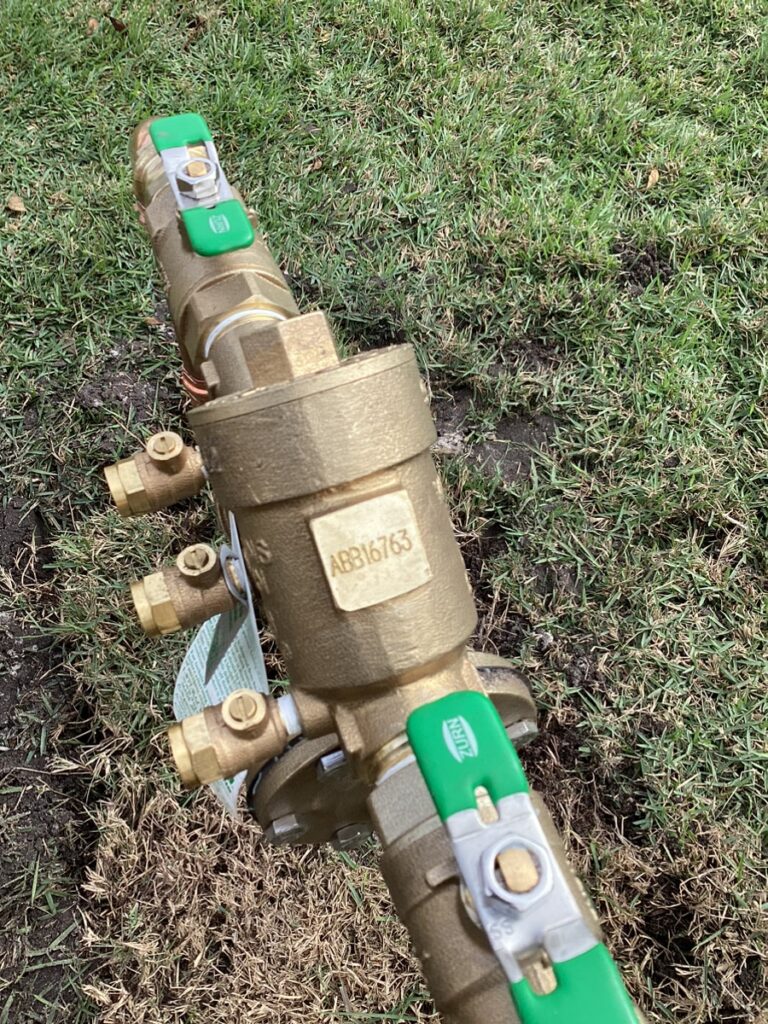
Have Your Backflow Prevention Device Checked
Heavy rainfall and storm surge can overwhelm municipal sewer and stormwater systems in low lying Sarasota neighborhoods, raising the chance of water backing up into a home through its drains. A properly functioning backflow prevention device is built to stop that from happening, but only if it has been inspected and is in good working order before the storm arrives.
Homeowners who have never had this device tested should add it to the pre-season checklist, particularly in neighborhoods closer to the bay or low-lying drainage areas.
Secure Outdoor Plumbing Fixtures
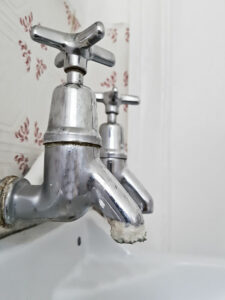
Hose bibs, irrigation backflow assemblies, and exposed outdoor spigots can take a beating from wind driven debris during a storm. Walk the exterior of the home before hurricane season, note any fixtures that look worn or loose, and have anything questionable repaired ahead of time rather than during storm cleanup. A cracked hose bib or a loose irrigation connection is a minor fix in June and a much bigger headache after several inches of wind driven rain have found their way inside a wall cavity.
Give Your Water Heater a Pre-Season Check
Florida homes commonly keep water heaters in the garage, where they are exposed to power fluctuations and, occasionally, wind driven debris during a storm. A quick pre-season check for existing leaks, loose connections, or corrosion means a unit that was already on its last legs does not fail completely during or after a storm, when plumbers across the region are handling a surge of emergency calls.
This is also a good time to confirm the water heater is properly strapped and secured, since a unit that shifts during high winds can strain its connections even without direct storm damage.
Store Clean Water Before the Storm, Not After
Filling a few clean containers, or even a bathtub, with water before a storm arrives gives a household a reserve if service is interrupted. This matters even more for homes on well water, since well pumps depend on electricity and stop working the moment the power goes out.
FAQs
How do I find my home’s main water shutoff valve?
The main shutoff valve is typically located where the water line enters the home, often near the water meter, in a utility closet, or along an exterior wall close to the street. If you are not sure where yours is, our team can point it out during a routine service visit so it is not something you are searching for during an emergency.
Should I turn off my water heater before a hurricane?
Turning off the water heater is not usually necessary unless you are evacuating for an extended period or expect a power outage that could affect the unit. If you are leaving the area for several days, switching the water heater to vacation mode or turning it off entirely can prevent unnecessary energy use and reduce strain on the unit during power fluctuations.
What should I do about my plumbing right after a storm passes?
Check for visible leaks, run faucets briefly to clear trapped air from the lines, and watch for discolored water or unusual odors. If your home is on well water, hold off on drinking tap water until the well has been inspected, especially if there was flooding near the wellhead.
What to Check Before You Flush or Run Water Again
Once a storm passes, resist the urge to immediately return to normal water use. If the home lost power for an extended stretch, run faucets briefly to clear any air that may have entered the lines, and pay attention to unusual smells or discoloration that could signal a problem in the supply line. Homes on well water should hold off on drinking tap water until the well has been checked, since flooding around a wellhead can allow contaminants into the system.
Wimpy’s Plumbing & Air has helped Sarasota and Manatee County homeowners get ready for hurricane season for decades, and our team is also available once a storm has passed if something needs a closer look. Getting ahead of these checks now, rather than during the scramble before a storm, is the easiest way to avoid an emergency call later. You can schedule a pre-season plumbing check whenever it works for your schedule.