
Rated 5.0 Stars

Sarasota & Manatee County, FL

Signs Your Ductwork Is Leaking (And Why It’s Costing You Money)

If your energy bill seems unusually high this January, you’re not alone. Many Sarasota homeowners see a spike in utility costs during the winter months, even though they’re not blasting the AC like they do in summer. The culprit often isn’t your HVAC system itself, but a hidden thief working behind the scenes: leaky ductwork.

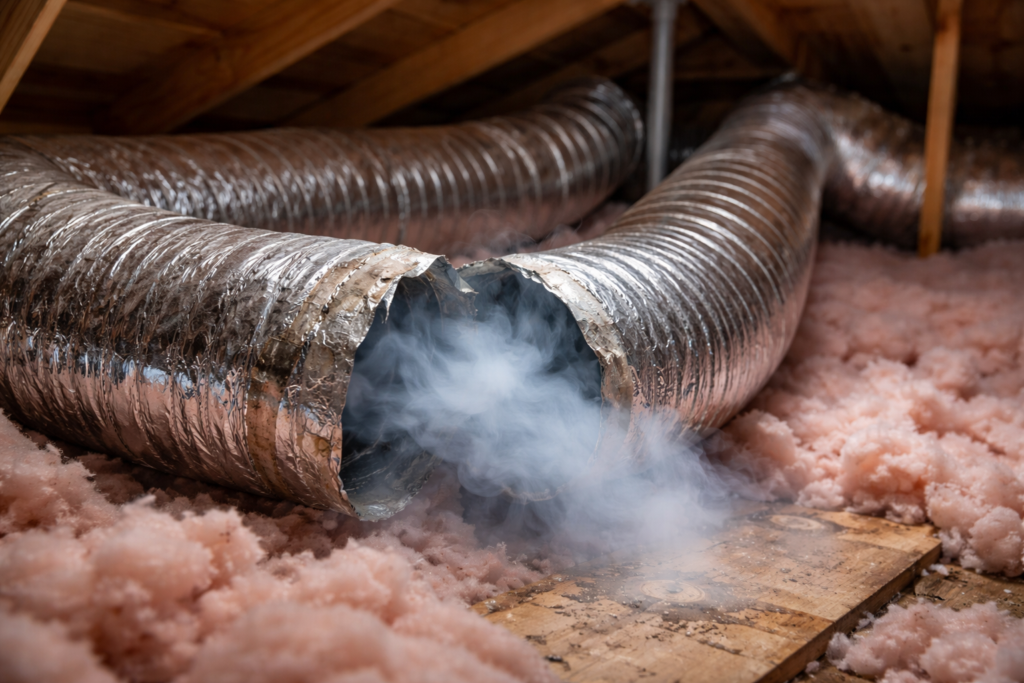
Your duct system is responsible for delivering conditioned air throughout your home. When it develops leaks, cracks, or loose connections, that air escapes into places like the attic, crawlspace, or walls instead of reaching your living areas. The result? Longer run times, uneven comfort, and higher energy bills. Understanding the signs of leaking air ducts can help you address the issue before it drains your wallet.

How Leaky Ducts Drive Up Energy Bills in Sarasota

When your ductwork leaks, your HVAC system has to work harder to maintain your desired temperature. Warm or cool air escapes before it reaches your rooms, forcing the system to run longer cycles to compensate. In Sarasota homes—where attics can become extremely hot even in winter—lost conditioned air is quickly wasted.

Over time, this inefficiency shows up as high energy bills in Sarasota, especially during months when systems run more consistently to maintain comfort.

Visual Signs of Leaking Air Ducts

Some duct problems leave visible clues around your home:

Excess dust around vents: If you notice dust collecting quickly on supply registers or streaks of dust on ceilings and walls near vents, leaking ducts may be pulling dirty attic air into your system.

Disconnected or damaged ducts: In homes with accessible attic spaces, you may spot loose duct connections, crushed flex ducts, or sections that have pulled away entirely.

Rust or deterioration: Older metal ducts can corrode over time, creating gaps where air escapes.

Auditory Signs to Listen For

Your ears can also alert you to duct issues:

Whistling or hissing sounds: Air squeezing through small gaps or cracks can create noticeable noises, especially when the system turns on.

Rattling or popping: Loose duct sections may shift under pressure, causing rattling sounds during operation.

These noises often indicate air loss that’s forcing your system to work harder than necessary.

Physical Comfort Issues in Your Home

Leaky ducts often create comfort problems that homeowners mistakenly blame on their HVAC unit:

Hot and cold spots: Rooms that never feel comfortable, even when the thermostat says they should, are a common sign of duct leakage.

Weak airflow from vents: If some rooms have noticeably less airflow, air may be escaping before it reaches those areas.

Humidity issues: In Florida homes, leaky ducts can pull humid air into the system, making indoor spaces feel clammy and uncomfortable.

Why Professional Ductwork Repair Matters

While small gaps might seem minor, even modest duct leaks can significantly impact efficiency. Professional ductwork repair in Sarasota addresses these issues at the source. Technicians inspect the entire system, identify leaks, and recommend the best solution, whether that’s sealing specific sections or replacing severely damaged duct runs.

AC Duct Sealing Benefits

Homeowners often underestimate the impact of proper duct sealing. Some key AC duct sealing benefits include:

  • Lower monthly energy bills
  • Improved airflow and balanced temperatures
  • Reduced dust and allergens entering your home
  • Less strain on your HVAC system, extending its lifespan
  • Improved overall indoor comfort

In many cases, duct sealing or targeted replacement offers a much better return on investment than prematurely replacing your AC unit.

Frequently Asked Questions

How do I know if my ducts are leaking?

Common signs include dust buildup around vents, uneven room temperatures, whistling noises, weak airflow, and rising energy bills without increased usage.

Can leaky ducts really cause high energy bills in Sarasota?

Yes. Leaking ducts allow conditioned air to escape into unconditioned spaces, forcing your HVAC system to run longer and consume more energy.

Is duct sealing better than duct replacement?

It depends on the condition of your ductwork. Sealing is effective for minor leaks, while severely damaged or aging ducts may require replacement.

How long does ductwork repair take?

Most duct sealing or repair projects can be completed in a few hours, depending on the size of the system and accessibility.

Will ductwork repair improve indoor air quality?

Yes. Sealed ducts prevent attic dust, insulation particles, and humidity from entering your airflow, resulting in cleaner, healthier indoor air.

Don’t Let Leaky Ducts Drain Your Budget

Before you assume your HVAC system is the problem, have your ductwork checked by a professional. Wimpy’s Plumbing & Air offers thorough duct inspections and expert ductwork repair in Sarasota to help homeowners stop energy loss at the source. A simple evaluation could be the key to lower bills, better airflow, and a more comfortable home this winter.

Understanding the Role of Static Pressure in Your HVAC System

When it comes to keeping your home comfortable year-round, most homeowners think about thermostat settings, air filters, or maybe even duct cleaning. But there’s a lesser-known factor that has a major impact on how well your heating and cooling system performs: static pressure.

Think of static pressure as the “blood pressure” of your HVAC system. Just as your doctor monitors blood pressure to judge how well your body is circulating blood, HVAC technicians monitor static pressure to see how easily air moves through your ductwork. When static pressure is too high or too low, your system can’t breathe properly, and the results often show up in reduced comfort, higher utility bills, and premature equipment wear.

In this article, the experts at Wimpy’s Plumbing & Air explain what static pressure is, why it matters, and how proper airflow keeps your home comfortable and your system running efficiently.

ac installation sarasota by wimpys

What Is Static Pressure?

Static pressure refers to the resistance your HVAC system encounters as it pushes air through your ductwork. Your blower motor works to move warm or cool air throughout your home, but if anything restricts its path, whether it’s a clogged filter, undersized ducts, or blocked vents, the resistance increases. This resistance is what we call high static pressure.

On the other hand, low static pressure occurs when there isn’t enough resistance. This can happen with leaky ductwork, disconnected ducts, or a blower that’s not performing properly.

The key is balance. Your system is designed to operate within a specific static pressure range. When it works outside that range, problems follow.

Why Static Pressure Matters

1. Comfort Levels Depend on It

If static pressure is too high, air won’t move efficiently through your ducts. You may experience:

  • Hot or cold spots in different rooms
  • Weak airflow from vents
  • Longer heating or cooling cycles

If static pressure is too low, conditioned air may not reach each room properly, or your blower may push air too quickly, leading to temperature swings and humidity imbalances.

2. It Impacts Energy Efficiency

High static pressure forces your HVAC system to work harder. Your blower motor draws more electricity trying to overcome the resistance, and your system may run longer cycles to reach the thermostat setting. This results in higher energy bills and reduced efficiency.

3. It Affects System Longevity

An HVAC system operating under excessive strain ages faster. High static pressure can lead to:

  • Premature blower motor failure
  • Frozen evaporator coils
  • Overheating components
  • Frequent repairs

Keeping static pressure in check protects your investment and helps your equipment last longer.

4. It Helps Diagnose Underlying Issues

Static pressure readings help technicians pinpoint problems that aren’t obvious from the outside. By measuring pressure before and after the air handler, at the return, and at the supply, your technician can identify issues such as:

  • Duct blockages
  • Poor duct design
  • Air leaks
  • Improper equipment sizing
  • Dirty coils or filters

It’s one of the most valuable diagnostic tools in modern HVAC maintenance.

Common Causes of High Static Pressure

Understanding what contributes to poor airflow can help you recognize problems early. Some of the most common culprits include:

1. Dirty or Wrong-Sized Filters

A filter that’s too restrictive, or simply overdue for replacement, can choke airflow instantly. Filters with high MERV ratings may sound appealing, but many homeowners don’t realize that not every system is designed for them.

2. Undersized or Poorly Designed Ductwork

Even a brand-new, high-efficiency HVAC system will struggle if the ductwork can’t support proper airflow. Many homes use ducts that are too small for the system’s capacity.

3. Blocked or Closed Vents

Closing vents in unused rooms is a common myth for saving energy. In reality, it increases static pressure and forces your system to work harder.

4. Dirty Coils or Blower Wheels

A buildup of dirt on internal components can dramatically reduce airflow, even if everything else appears to be working normally.

Symptoms of Static Pressure Problems

You might have a static pressure issue if you notice:

  • Rooms that are consistently too warm or too cold
  • Vents that barely blow air
  • Loud airflow noises (whistling, hissing, or roaring)
  • A blower that seems unusually loud
  • Higher-than-normal energy bills
  • Frequent HVAC repairs

If you’ve experienced any of these signs, it’s worth having your system inspected.

How Wimpy’s Plumbing & Air Can Help

At Wimpy’s Plumbing & Air, we use industry-standard tools to measure static pressure and diagnose airflow problems accurately. Once we identify the cause, we can recommend solutions such as:

  • Adjusting or resizing ductwork
  • Repairing leaks or disconnections
  • Replacing filters with the correct type
  • Cleaning coils and blower components
  • Balancing airflow by adjusting dampers
  • Recommending system upgrades if needed

We aim to restore proper airflow, improve efficiency, and maximize comfort in every room of your home.

Final Thoughts

Static pressure may not be a term most homeowners hear often, but it plays a crucial role in how your HVAC system performs. Proper airflow means better comfort, lower energy bills, and longer system life. If your home has been experiencing uneven temperatures, weak airflow, or rising utility costs, your static pressure might be trying to tell you something.

For expert diagnostics and solutions, contact the team at Wimpy’s Plumbing & Air. We’re here to help your HVAC system breathe easy.

The Pros and Cons of Closing HVAC Vents in Unused Rooms During Cooler Months

When cooler weather arrives, homeowners often start looking for simple ways to save on heating costs. One of the most common ideas, passed down for generations, is closing HVAC vents in rooms you don’t use. On the surface, it seems logical: if you’re not heating those rooms, your furnace shouldn’t have to work as hard, right?

Unfortunately, the truth is more complicated. Closing vents doesn’t always save you money, and in many cases, it can actually reduce efficiency and increase wear on your HVAC system. At Wimpy’s Plumbing & Air, we help homeowners create comfortable, efficient homes every day, and this is one topic that comes up often.

Let’s break down the pros, cons, and best practices so you can make an informed decision this heating season.

The Idea Behind Closing Vents

The idea is simple: if you close vents in unused rooms, your system should push all the warm air into the active areas of your home. This should theoretically reduce the energy your furnace or heat pump uses, because you’re “heating less space.”

But central HVAC systems don’t quite work that way. Your system is designed to heat (or cool) your entire home at once using a balanced airflow system. When you start changing that balance, things get tricky.

The Possible Pros of Closing HVAC Vents

There are a few situations where closing vents can provide some benefit, though these are limited and usually temporary.

1. Redirecting Airflow Slightly

Closing a vent or two may push a small amount of additional air toward other rooms. If a certain room always feels colder than the rest, you might notice a slight improvement in airflow when another vent is closed.

2. Temporary Adjustments for Comfort

If a single unused room is overheating due to duct layout or equipment placement, closing that vent temporarily could help stabilize your home’s overall temperature.

3. Works Better in Systems Designed for It

Some modern zoning systems are specifically engineered to open and close dampers automatically, controlling airflow intentionally. However, these systems use pressure relief mechanisms to protect equipment, something standard systems do not have.

The Cons of Closing HVAC Vents (and Why Experts Warn Against It)

While closing vents might seem like an easy way to save money, the drawbacks far outweigh the benefits for most homes.

1. Increased Static Pressure

Closing vents increases the pressure inside your ductwork. Your blower still pushes the same amount of air, but with fewer places for that air to go, the system becomes strained.

High static pressure can cause:

  • Loud or whistling vents
  • Reduced airflow throughout the home
  • Overworked blower motors
  • Premature furnace or heat pump damage
  • Frozen evaporator coils (in heat pumps and AC mode)

This is one of the biggest and most expensive downsides.

2. Reduced Energy Efficiency

It might seem like less space to heat means less energy used, but your HVAC system doesn’t think that way. Furnaces and heat pumps are sized to manage the entire home’s airflow, so restricting that airflow makes them work harder, not easier.

This often increases energy bills.

3. Hot and Cold Spots Throughout the Home

Unbalanced airflow can result in:

  • Certain rooms not getting enough heat
  • Others overheating
  • Uneven temperatures between floors
  • Comfort complaints from everyone in the house

Your thermostat only measures temperature in one location. If the rest of the home falls out of sync, your system may run longer or short-cycle, both of which increase energy consumption.

4. Potential Ductwork Leaks

High pressure inside ducts can weaken joints or worsen existing leaks. That lost air usually ends up in your attic, crawlspace, or walls, wasting energy and increasing your heating costs.

5. Increased Dust and Poor Indoor Air Quality

Closed rooms tend to become stagnant, causing dust buildup and potentially musty odors. When vents stay closed for months, any dust in those ducts may blow into the room once reopened.

So, Should You Close Vents in Winter?

For most homes and most HVAC systems, the answer is no.

Closing vents typically creates more problems than it solves, and whatever small temperature benefit you might get is rarely worth the strain on your system or the potential repair costs.

Better Alternatives to Save Energy in Unused Rooms

Instead of closing vents, consider these HVAC-friendly options:

1. Seal and Insulate Your Home

Air leaks around windows, doors, and attic spaces are far more responsible for energy loss than unused rooms.

2. Install a Programmable or Smart Thermostat

Lowering the temperature by 7–10 degrees at night or when away from home can lower heating costs significantly without harming your system.

3. Improve Ductwork

Undersized, leaky, or poorly designed ducts often cause comfort issues that make homeowners want to close vents in the first place.

4. Consider HVAC Zoning

Zoning systems create intentional “active” and “inactive” areas with proper pressure control, no equipment strain required.

5. Keep Doors Open When Possible

This helps air circulate naturally and reduces the need for system adjustments.

How Wimpy’s Plumbing & Air Can Help

If you’re dealing with uneven heating, high utility bills, or rooms that never feel comfortable, closing vents isn’t the answer, but we can help find the real issue.

Our team can:

  • Measure static pressure
  • Inspect ductwork
  • Check for airflow restrictions
  • Recommend proper zoning solutions
  • Improve system balance for whole-home comfort
  • Provide maintenance that boosts efficiency

We’re committed to helping you enjoy a comfortable, energy-efficient home all winter long.

Final Thoughts

Closing HVAC vents may seem like a simple money-saving trick, but it often leads to higher bills, system strain, and comfort issues. Your HVAC system works best when airflow remains balanced and unrestricted.

For professional guidance on airflow, system efficiency, and winter home comfort, trust Wimpy’s Plumbing & Air. We’re here to keep your home warm the right way.

How Salt Air Affects Your Outdoor AC Unit in Coastal Areas Like Sarasota 

Living near the coast in beautiful Sarasota comes with plenty of perks—stunning sunsets, tropical breezes, and that laid-back Florida lifestyle. But there’s one thing many homeowners don’t consider: the impact of salt air on your outdoor AC unit.

At Wimpy’s Plumbing & Air, we’ve helped countless Sarasota homeowners deal with AC problems caused by coastal conditions. If your system is showing signs of wear sooner than expected, salt air could be to blame.

Why Salt Air is Tough on Your AC

The closer you live to the Gulf, the more exposure your HVAC equipment has to moist, salty air. While it may feel refreshing to you, it’s a different story for your AC unit.

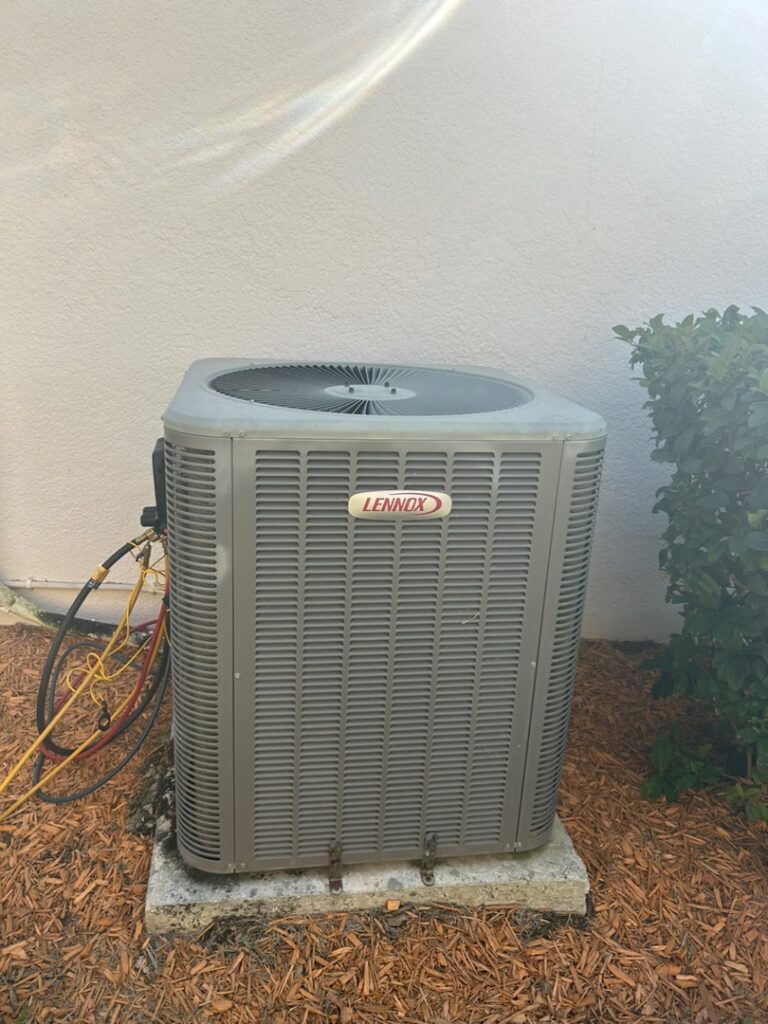
Salt is highly corrosive. When ocean air blows over your outdoor condenser unit, salt particles settle on the metal components—especially the coil fins. Over time, this can lead to oxidation and rust, breaking down the protective coatings and shortening the lifespan of your system.

Common Problems Caused by Salt Air

Salt air can cause a number of problems for outdoor AC units, such as: 

Corrosion of Condenser Coils

The thin metal fins that help your system release heat are particularly vulnerable. Once corroded, they don’t work efficiently, forcing your unit to work harder and increasing your energy bills.

Rust on Fan Blades and Housing

Salt-laden moisture can rust the fan blades, housing, and screws on your unit. This can lead to vibrations, noise, and even mechanical failure.

Electrical Component Damage

When salt particles mix with moisture, it creates a conductive film that can lead to short circuits and malfunctions in wiring and circuit boards.

Decreased Energy Efficiency

As your system struggles with corroded components and restricted airflow, it consumes more energy while delivering less cooling power.

How to Protect Your AC Unit from Salt Air

The good news is that while salt air is tough on equipment, there are smart ways to minimize damage and extend your system’s lifespan.

1. Schedule Regular Maintenance

Routine inspections and cleanings are your first line of defense. At Wimpy’s, we recommend twice-a-year maintenance for homes in coastal areas like Sarasota. We’ll check for signs of corrosion, clean your coils, and apply protective treatments if needed.

2. Wash Your Unit Frequently

Rinsing your outdoor AC unit with fresh water once or twice a month can remove salt buildup and prevent corrosion. Just be sure to turn off the power first. If you’re not comfortable doing this yourself, our team can handle it during a service call.

3. Apply Protective Coatings

Anti-corrosion coatings or special paint can help protect exposed metal surfaces from salt damage. Some AC models are even built with coastal-rated components that resist corrosion more effectively—something to consider if you’re due for a replacement.

4. Install a Barrier or Shelter

A well-placed fence, hedge, or ventilated cover can reduce direct exposure to salt spray without restricting airflow. Avoid enclosing the unit too tightly—your system still needs room to breathe.

5. Upgrade to a Coastal HVAC System

If your current AC system is aging or constantly needing repairs, it may be worth upgrading to a unit designed specifically for coastal environments. These systems feature corrosion-resistant materials and components built to withstand the salt and humidity of coastal living.

Stay Ahead of Salt Air Damage

Ignoring salt air damage can lead to early system failure—and a big hit to your wallet. But with proactive care, your AC unit can stay strong and efficient, even in Sarasota’s salty breeze.

Let the experts at Wimpy’s Plumbing & Air help protect your investment. Whether you need a tune-up, coil cleaning, or advice on coastal AC replacements, we’re here to keep your system running smoothly through every season. Call us today at 941-294-3214 or schedule your appointment online to get started. 

Why Your Florida AC Smells Musty and How to Fix It 

Living in Florida means relying on your air conditioner year-round to keep your home cool and comfortable. But if you’ve noticed a musty or mildew-like smell coming from your AC, it’s more than just unpleasant—it’s a sign that something isn’t right. At Wimpy’s Plumbing & Air, we often get calls from homeowners wondering what’s causing the odor and how to get rid of it. Let’s break it down.

What Causes an AC Unit to Have a Musty Smell?

A musty smell coming from your AC is almost always linked to moisture problems—something we deal with a lot here in Florida due to our humid climate. Here are the most common culprits:

Clogged or Dirty Drain Line

Your AC removes humidity from the air and drains the moisture away through a condensate line. Over time, algae, mold, or debris can clog this line, causing stagnant water to collect and grow bacteria, which leads to that musty smell.

Mold or Mildew in the Ductwork

If your air ducts have leaks or poor insulation, moisture can get inside and lead to mold growth. When the system kicks on, it blows that musty air throughout your home.

Dirty Air Filters

Neglecting to change your air filters allows dust, dander, and mold spores to accumulate. This not only makes your system work harder but can also contribute to musty odors circulating through your home.

Full or Dirty Drip Pan

Your AC’s drip pan collects condensation. If it’s not draining properly or hasn’t been cleaned in a while, standing water can become a breeding ground for mold.

Evaporator Coil Issues

Over time, the evaporator coil inside your AC unit can collect dirt and moisture. This damp, dark environment is ideal for mildew and mold, which then circulate musty air every time your AC runs.

How to Fix a Musty-Smelling AC

The good news is: most musty AC smells are fixable with the right approach. Here’s what you can do:

1. Schedule Professional Maintenance

Having your system inspected and cleaned by a certified HVAC technician is the best way to tackle persistent odors. At Wimpy’s, we offer comprehensive AC maintenance services that include coil cleaning, drain line flushing, and duct inspections.

2. Change Your Air Filters

This is one of the easiest and most effective ways to improve your indoor air quality. We recommend changing your filters every 1–3 months, especially in Florida’s high-humidity conditions.

3. Clean or Replace the Drain Line

If the drain line is clogged, a technician can flush it out with a special solution or replace it if needed. This eliminates the buildup of mold and bacteria.

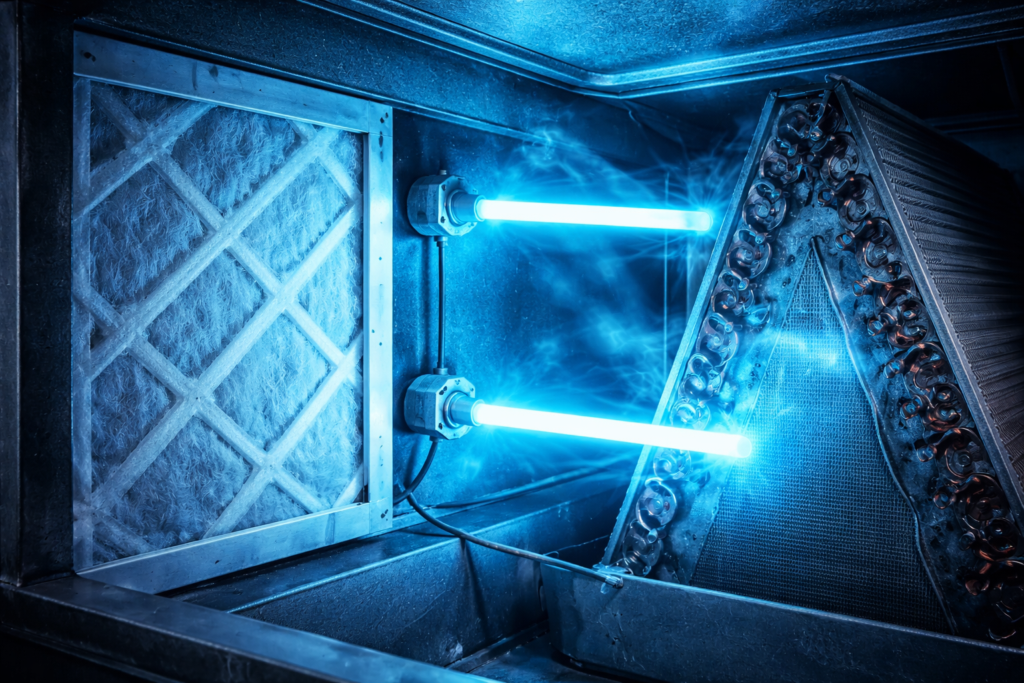
4. Install a UV Air Purifier

Ultraviolet (UV) light systems can be installed inside your HVAC system to kill mold spores, bacteria, and other microbes before they circulate through your home. It’s an excellent long-term solution for homeowners who deal with recurring odors or allergies.

5. Seal and Insulate Ductwork

Leaky or poorly insulated ducts let humid air in, leading to condensation and mold. Our team offers expert duct repair services. We can inspect your ducts and seal any trouble spots to prevent future issues.

AC Smelling Musty? Call a Professional 

Musty smells are more than just a nuisance—they can signal underlying moisture and air quality issues that could impact your family’s health. Breathing in mold spores over time can trigger allergies, asthma, and other respiratory problems.

If your AC smells off, don’t wait. Call Wimpy’s Plumbing & Air at 941-322-1911 or schedule your inspection online. We’ll diagnose the issue and get your system running clean and fresh again so you can breathe easy and stay cool, no matter how humid it gets outside.

Does the Brand of Your Sarasota Air Conditioning Matter?

Does the Brand of Your Sarasota Air Conditioning Matter?

Here at Wimpy’s, we get a lot of questions from people who are choosing a new Sarasota air conditioning system. They wonder things like what size air conditioner they need, how energy efficient their new air conditioner should be, and whether the brand of air conditioner they purchase is important. As it turns out, that last question is easy. The brand of air conditioner that you choose actually matters a lot! That’s why we work with Bosch, Ruud, Mitsubishi, and Trane almost exclusively. Not convinced? At Wimpy’s Plumbing & Air we understand. Here’s why the brand of air conditioner you purchase matters. Already know what unit you want and need to schedule your AC installation in Sarasota? Reach out to us now!

Energy-Efficiency

A new ductless AC in Sarasota

Energy efficiency is important to a lot of people when they get a new air conditioner. After all, having a unit that is more efficient means that you will use less energy and spend less on energy related costs. While many brands say that they have efficient air conditioners in Sarasota, we have found that some offer more options than others. We want to help you get the most energy efficient brand for your money, and that means working with certain manufacturers.

Size

Getting the right sized air conditioner for your home is also important. If you buy a unit that’s too big, you’ll spend way too much to cool your house. If you buy a unit that’s too small it may run all the time but it will not effectively cool your home. In fact, an undersized unit may require more AC repairs in Sarasota as it will overwork to try and keep your home cool. We work with manufacturers that offer a wide variety of different sized air conditioners. That way, you have the selection you need to make sure you get a good choice for your home.

Long-Lasting

Different manufacturers have different reputations when it comes to how long their air conditioners last and how often you have to replace them. At Wimpy’s, our goal is to make sure that you replace your air conditioner in Sarasota as infrequently as possible. That’s why we choose to work with brands that have a reputation for lasting for many years.

Call for Sarasota AC Help Today!

If it’s time to get a new air conditioning installation, or you need AC repair in Sarasota, rely on our team to get your home cool again soon! Give us a call today, and we will install one of our very best air conditioners for you and your household. You can always rest assured that your air conditioner from our team comes from a reliable manufacturer who we have worked with before!

How To Improve Indoor Air Quality

How To Improve Indoor Air Quality

how to improve indoor air quality in sarsota

Do you worry about indoor air pollution in Sarasota or the surrounding area? Do you want to improve the indoor air quality in your home but you’re not sure how? Wimpy’s Plumbing & Air has you covered!

We’ve compiled a list of a few ways you can quickly make sure the air you are breathing is not dangerous or putting you at risk. Read on, or give us a call for more information about how to improve your indoor air quality!

Minimize Pollution Sources

If there are sources of indoor air pollution in your home, block them off to mitigate their effect on your air quality. If you know there’s asbestos in your house, seal that area up or close it off completely until you can remove the problem. If you have a gas stove or a fireplace, turn them down as far as they go to minimize their effects.

Clean Your HVAC System

Keeping as much dust and debris out of your HVAC system as possible will also keep that dust and debris out of your home. Get a professional to do the job to make sure you access all possible sources of indoor air pollution and remove them.

Use A HEPA Air Filter

A HEPA air filter will remove more pollutants from the air than a regular one. Use the highest-rated filter your system can handle. If you’re not sure what that is, one of our experts can examine the system and tell you which kind will keep your HVAC system running well.

UV Light Air Filtration

A UV light filtration system will kill any viruses, bacteria, or mold spores that might get into your HVAC system. All of the air that comes in will pass through this filter, so it will improve your indoor air quality significantly.

Call Us For More Sarasota Air Quality Help

If you have a specific type of indoor air pollution that you’re concerned about eliminating or you’re not sure how to improve air quality on your own, call us at Wimpy’s Plumbing & Air today. We’ll work with you to get you the best solutions for your home!

Call Now to Improve Your Indoor Air Quality!

Whole Home Water Filtration

Whole Home Water Filtration

What is it?

As the name suggests, whole home water filtration involves installing a system that filters every drop of water that comes through any faucet in your home. While pitcher filters and point of use filters are available, they don’t protect your family’s health or plumbing system the way a whole home filtration system can.

What does it filter out?

Before your water ever makes it to your home, it’s treated with chlorine by your local municipality to kill any bacteria and microorganisms. While that helps keep the water drinkable, that chlorine makes its way from the filtration plant all the way to your house. And while the chlorine levels in our drinking water are deemed safe by the government, more and more families are deciding that they deserve better than the minimum safety level.

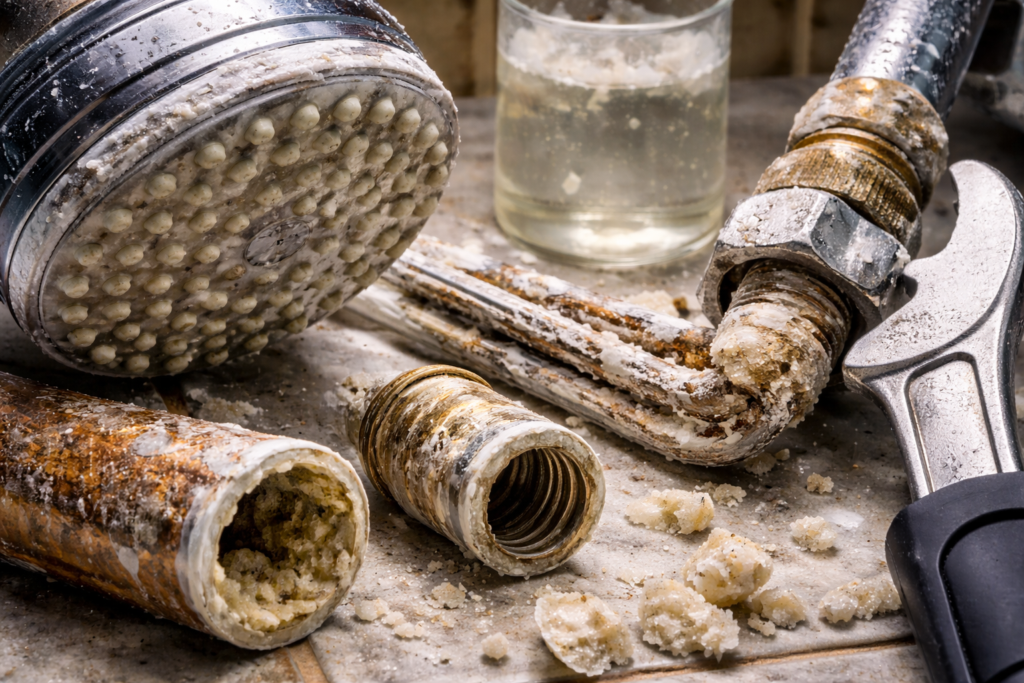
In Florida, our ground water is also packed with packed with minerals. Those minerals don’t necessarily pose a threat to our health, but they build up in your plumbing system over time, and put undue stress on your pipes. With enough build up, your pipes will start to crack and leak, which can result in water damage and even flooding.

A whole home water filtration system takes care of both of these problems. It filters out all minerals and chemicals that are in our water, whether they were put their on purpose or not. This means your family is drinking, bathing, and brushing their teeth with water that is as clean as possible.

Why choose a whole home filtration system?

As stated above, there are other solutions like pitcher filters and point of use tap filters. However, these pose two problems. First, they don’t protect your plumbing system like the whole home filter does. Remember, all those minerals in our ground water travel all the way through your pipes before hitting the point of use filter. That means that while your drinking water may be cleaner, you’re still putting your plumbing system at risk of stress caused from mineral buildup.

Second, because they only purify water at one location, you’re still bathing and brushing your teeth with water that’s been laced with chemicals (some of which have even been linked to cancer.) Your family will still be showering in water rife with chlorine and rock, which is still jeopardizing their health.

Peace of Mind

If your family is still bathing and drinking hard, chemically infused water, a whole home water filtration system will help give you and your family some peace of mind. Wimpy’s Plumbing and Air has been building relationships with family’s in the Sarasota area since 1973, and our team of experts are always happy to help your family with any of their plumbing needs. Our team of experts can install, repair, and maintain your whole home water filtration system, and will help educate you every step of the way.

Call us today at 941-322-1911 and we’ll send out one of our highly trained, background check, and drug tested service experts to you for an in home water filtration consultation.

Water On the Floor Around My Toilet, Leaking At the Base? Wimpy’s Will Find the Problem.

Water On the Floor Around My Toilet, Leaking At the Base? Wimpy’s Will Find the Problem.

Water on the floor around my toilet or leaking at the base. Wimpy’s will find the problem.  Many customers have called us with this fairly common plumbing problem in Sarasota, Florida.  As your Local Sarasota Plumber, Wimpy’s is the expert in finding out why you are having water on the floor around your toilet or why it is leaking at the base.  It is usually not the same problem in each case.  I once knew a Plumber in Sarasota who saw water around the base of the toilet and just replaced the toilet.  Come to find out it was just a simple washer that he could of tightened.  At our Plumbing Company we have been honest with our customers since 1973.  I remember what my Dad, Wimpy, told me back then, …treat people like you want to be treated, be honest and look out for their best interest.  To this day that has worked for us.  It seems people just want the truth.

If you find water on the floor around your toilet, try to determine if is only coming when you flush the toilet or does the water spot just keep getting larger and larger.  Always feel for the leak on a toilet from the top down, since water will follow gravity.  You can even use dry toilet paper to locate the where the water is coming from.

However, if you just want it fixed once and for all, the only thing you need to do is pick up the phone or tap a few keys and Wimpy’s will be there for you.  We have professional Plumbers, who show up on time that are clean, courteous and above all, Honest.  We will let you know if it is a simple tightening of a bolt or if it is more involved.  We want to earn your trust.  We do that today, so we can be here tomorrow.

Wimpy’s Plumbing & Air, always here, always honest. Call 941-322-1911 or online.

House Pumps, Submersible Pumps, Pressure Tanks and Water Softeners.

House Pumps, Submersible Pumps, Pressure Tanks and Water Softeners in Sarasota.

House pumps, Submersible pumps, pressure tanks and water softeners in Sarasota – all of these are essential  to keep working, so you can have water.  When you go to your kitchen or bathroom faucet, does it even occur to you that water might not come out?  If one of the pumps doesn’t turn on, then you won’t have water.  Since Fall is upon us, the leaves are starting to fall.  One thing you should do is to keep the leaves and debris clear of the pump and pressure switch.  One of the most common reasons for having no water and the pump not turning on, is the pressure switch could not make contact with the points inside the pressure switch.  What we find a lot of times is the area around the pressure switch is full of leaves and debris, making this an ideal habitat for ants.  The ants love to crawl into the pressure switch and when the points close they are in between them and they get electrocuted and die.  This makes the points dirty and they cannot make contact to turn the pump on.  So the moral of the story is to keep it clean and clear. Then when you turn your faucet on this Fall, you may not get that sinking feeling, when nothing comes out.

Also, since this is Fall in Florida, I’m quite sure some of you will have house guests from the North.  We can help you make sure that the Plumbing in your home is ready for the additional load.  It is better to be prepared than to be surprised.  Why not have your Plumbing system checked by your Sarasota Plumber?  It may save you the agony of having no water or not being able to flush.

Perhaps the quality of your water is becoming a concern to you.  Wimpy’s Plumbing & Air is an expert in water filtration, water softening and water conditioning in Sarasota.  We can build a system to fit your exact needs.  Not just any Plumber in Sarasota is an expert on water.  House pumps, Submersible pumps, pressure tanks and water softners is in are field of expertise.

No water happens at the most inconvenient time. We are available 24/7.  Just call 941-322-1911.  We have been serving the Sarasota and Bradenton areas for over forty three years.

Schedule Now

"*" indicates required fields

This field is for validation purposes and should be left unchanged.