
Rated 5.0 Stars

Sarasota & Manatee County, FL

Is Your Attic Killing Your AC? The Link Between Insulation & Cooling

Most Sarasota homeowners think about their AC when it starts struggling in July. They schedule a tune-up, replace the filter, and hope for the best. But if your system is running constantly and your electric bill keeps climbing, the problem might not be your AC at all. It might be what’s sitting above your ceiling.

Your attic could be quietly working against every dollar you’ve spent on cooling.
What Is Heat Load, and Why Does It Matter?

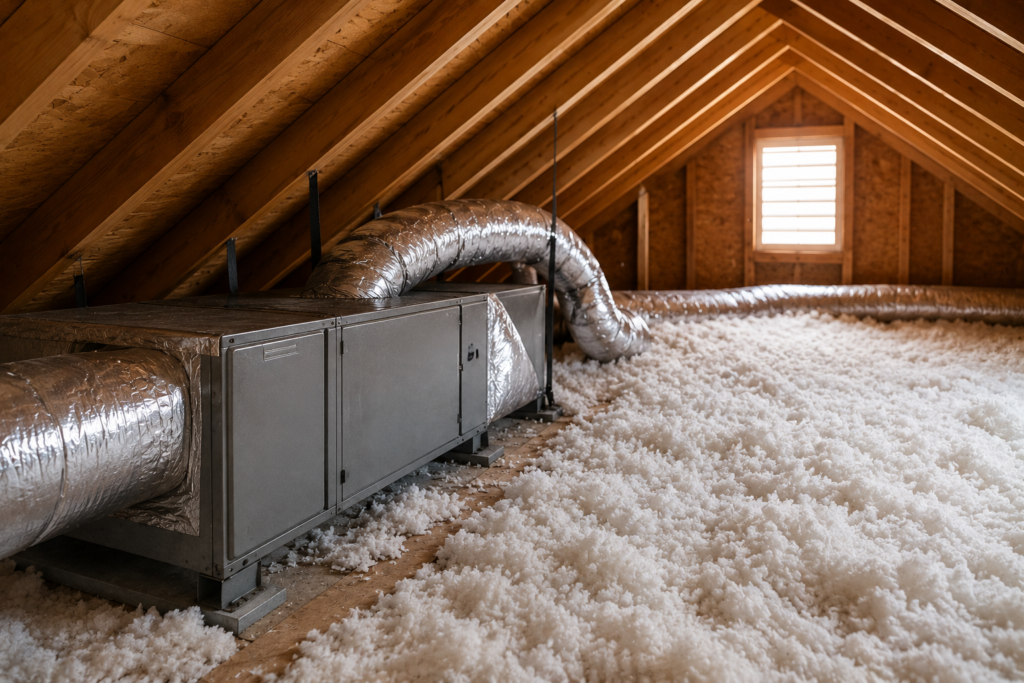
Heat load refers to the total amount of heat your AC must remove to keep your home comfortable. In Florida, attic temperatures routinely reach 140 degrees Fahrenheit on a summer afternoon. When your ductwork runs through that superheated space, the conditioned air inside those ducts absorbs heat before it ever reaches your living areas. Your system compensates by running longer, working harder, and wearing out faster.

This is not a minor efficiency issue. An under-insulated attic dramatically increases the heat load on your system, which means more run time, more energy consumption, and a shorter lifespan for a piece of equipment that costs thousands of dollars to replace.

Blown-In Insulation vs. Spray Foam in Florida

Two insulation types dominate Florida attic upgrades, and understanding the difference matters for Sarasota homes.

  • Blown-in insulation: typically made from fiberglass or cellulose, blown-in insulation is installed in the attic floor to slow heat transfer into your living space. It is cost-effective, widely used, and a solid upgrade for homes with little to no existing insulation. The goal is to keep conditioned air in and radiant heat out.
  • Spray foam insulation: This takes a different approach. Applied to the underside of the roof deck, it creates a sealed, conditioned attic environment. This is especially effective for homes where ductwork runs through the attic, because the ducts are no longer exposed to extreme temperatures. In Florida’s climate, spray foam can be a more comprehensive long-term solution.

The right choice depends on your home’s construction, duct placement, and budget. Both options can meaningfully reduce AC run time when properly installed.

Air Sealing: The Step Most Homeowners Skip

Insulation alone does not solve the problem if your attic has significant air leaks. Gaps around recessed lights, plumbing penetrations, and attic hatches allow hot air to pour directly into your conditioned space.

Air sealing your attic before or alongside an insulation upgrade closes those pathways. The result is a tighter building envelope, better indoor air quality, and a system that does not have to fight its own structure to keep up.

Protecting Your AC Investment

Improving attic insulation and ventilation is not just a home efficiency project. It is a way to extend the life of your cooling system and lower your electric bill at the same time. When your AC runs less, the compressor, fan motor, and refrigerant components experience less wear. A system that runs 20 to 30 percent less can last years longer before needing replacement.

Ready to Stop Letting Your Attic Drain Your Wallet?

The team at Wimpy’s Plumbing & Air helps Sarasota homeowners identify what is driving up cooling costs and fix it at the source. Whether you need a full AC evaluation or guidance on the best path forward for your home’s insulation, we are here to help. Contact us today to schedule a consultation and take the first step toward a cooler home and lower energy bills.

Is Your HVAC System Harboring Mold After a Rainy Summer?

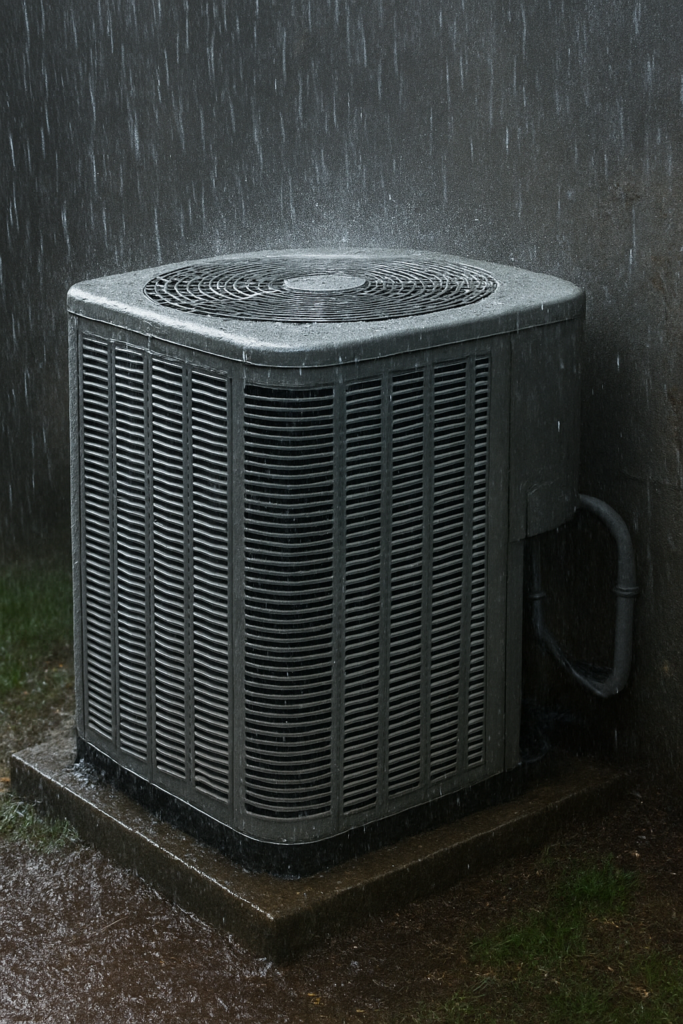
Florida’s humid, rainy summers create the perfect environment for mold growth, especially inside HVAC systems. If your AC has been working overtime through months of heavy rain, high humidity, and warm temperatures, there’s a chance mold could be hiding in places you can’t easily see. And because your HVAC system circulates air throughout your entire home, undetected mold can quickly become a bigger issue affecting your indoor air quality, health, and comfort.

At Wimpy’s Plumbing & Air, we’ve helped Florida families keep their homes safe and comfortable for decades. Here’s what you need to know about spotting, preventing, and addressing mold inside your HVAC system after a rainy season.

Why Rainy Summers Create the Perfect Mold Conditions

Mold thrives in warm, moist environments, and your HVAC system checks all the boxes after a Florida summer:

  • High humidity from weeks of rain
  • Condensation buildup inside air handlers and ducts
  • Warm temperatures that help mold reproduce
  • Periods of system downtime, allowing moisture to sit and stagnate

Even well-maintained systems can experience mold growth when outdoor humidity consistently stays above 70%, a common reality here in Florida.

Signs Your HVAC System May Have Mold

Mold isn’t always easy to see, especially when it’s hiding inside ducts or the evaporator coil. However, there are several signs that point to a potential issue:

1. Musty or sour odors when the AC turns on

This is the most common indicator. If the smell gets stronger when air is blowing, mold may be in your ducts or air handler.

2. Worsening allergy-like symptoms

Sneezing, headaches, congestion, or irritated eyes may intensify when your AC is running.

3. Visible dark patches near vents or the air handler

Mold around supply vents, the drip pan, or insulation near the unit is a red flag.

4. Excessive moisture or standing water

Clogged condensate lines or overflowing drip pans create ideal mold-growing conditions.

5. Reduced airflow or performance

Mold buildup on coils or inside ducts can restrict airflow and strain your system.

If you notice any of these signs, it’s time to call in a professional for a system inspection.

Where Mold Hides Inside Your HVAC System

Mold can grow in several components of your HVAC system, including:

  • Evaporator coils
  • Fiberglass or foam duct insulation
  • Condensate drain pans
  • Ductwork
  • Air handlers
  • Dirty or clogged air filters

These areas stay damp longer during rainy summers, making them hotspots for mold activity.

How a Professional HVAC Inspection Helps

A thorough professional inspection is the most effective way to determine whether mold is present in your HVAC system. Our fully-trained technicians at Wimpy’s Plumbing & Air use specialist tools to check:

  • Moisture levels
  • Airflow restrictions
  • Coil cleanliness
  • Condensate line performance
  • Duct integrity
  • Signs of microbial growth

Catching mold early prevents larger problems and protects your family’s health.

How to Prevent Mold Growth After Rainy Seasons

The good news? There are several proactive steps Florida homeowners can take to reduce the risk of mold in their HVAC systems.

1. Replace your air filter regularly

Filters should be replaced every 30–60 days during the summer. A clean filter helps keep moisture, dust, and spores from circulating.

2. Keep humidity levels in check

Indoor humidity should stay between 40–50%. A whole-home dehumidifier may make a big difference during Florida’s rainiest months.

3. Schedule professional coil and drain line cleaning

Dirty coils and clogged condensate lines are two of the biggest contributors to mold growth. Cleaning them prevents standing water and moisture buildup.

4. Improve home ventilation

Bathrooms, kitchens, and utility rooms gather moisture. Proper ventilation helps keep humidity down throughout the home.

5. Have your ducts inspected

Leaks, gaps, and deteriorating insulation inside ductwork can trap moisture and create mold-friendly pockets.

6. Consider a UV light for added protection

UV lights installed inside the air handler help kill mold spores and bacteria before they circulate.

Why Mold Should Be Addressed Quickly

Ignoring mold in your HVAC system can lead to:

  • Poor air quality
  • Increased allergy and asthma symptoms
  • Lingering odors
  • Higher energy bills due to restricted airflow
  • Damage to system components
  • Spread of mold to other areas of the home

Addressing the issue promptly protects your health, your home, and your HVAC system’s lifespan.

Trust Wimpy’s Plumbing & Air to Protect Your Home

As a family-owned and operated company, we understand how important it is to keep your home comfortable and safe. Our fully-trained HVAC technicians bring decades of experience serving Florida homeowners through rainy seasons, humid summers, and everything in between. We inspect, diagnose, and treat mold issues with care, just as we would in our own homes.

If you suspect your HVAC system might be harboring mold after a rainy summer, or if you simply want peace of mind, we’re here to help.

Call Wimpy’s Plumbing & Air at (941) 299-0786 to schedule an HVAC inspection and keep your home’s air clean, healthy, and fresh year-round.

How to Prep Your HVAC System for Snowbirds in Florida

As Florida welcomes thousands of snowbirds each year, preparing your home’s HVAC system for seasonal use is essential. Whether you’re a snowbird returning for the winter or a homeowner hosting seasonal guests, ensuring your heating and cooling system is ready can save money, prevent breakdowns, and keep your home comfortable. 

At Wimpy’s Plumbing & Air, we understand the importance of a reliable HVAC system, and we’re here to help Florida snowbirds enjoy a cozy, worry-free season.

1. Schedule a Professional HVAC Inspection

The first step in preparing your HVAC system for snowbirds is a professional inspection. Fully-trained technicians can examine your system, identify issues, and ensure everything is operating efficiently. This is especially important for Florida homes that may sit idle for months. Regular inspections prevent costly repairs and keep your heating and cooling system ready when snowbirds arrive.

2. Replace or Clean Air Filters

Clean air filters are crucial for a healthy and efficient HVAC system. Dirty filters restrict airflow, reduce efficiency, and compromise indoor air quality. For seasonal homes in Florida, replacing filters before snowbirds arrive ensures a fresh, allergen-free environment. High-quality filters can trap dust, pollen, and other airborne particles, making your home more comfortable for all residents.

3. Adjust Thermostat Settings

Thermostats play a key role in energy efficiency and comfort. For snowbird homes, programmable thermostats allow you to schedule heating or cooling to match seasonal occupancy. You can set your HVAC system to gradually reach comfortable temperatures just before residents arrive, saving energy while providing a welcoming environment.

4. Inspect Ductwork and Vents

Proper airflow is critical for HVAC efficiency. Leaks, blockages, or closed vents can strain your system and increase energy costs. Snowbird homes that remain vacant for part of the year are especially susceptible to dust buildup in ducts. Having a professional inspect and seal ductwork ensures even airflow and optimal comfort throughout your home.

5. Clean Coils and Condensate Lines

Evaporator and condenser coils, along with condensate lines, can collect dirt and debris over time. Dirty coils reduce cooling efficiency, while clogged condensate lines can lead to water damage. Cleaning these components before the snowbird season ensures your HVAC system operates smoothly and protects your home from costly issues.

6. Test Safety Features

HVAC safety features like carbon monoxide detectors and emergency shut-off mechanisms are critical. Testing these systems before the season starts ensures your home remains safe for snowbirds and permanent residents alike. Safety is always a priority when preparing a Florida home for seasonal occupancy.

7. Consider a Maintenance Plan

For snowbird homeowners, an HVAC maintenance plan provides ongoing support throughout the season. Plans typically include inspections, tune-ups, and priority service, giving you peace of mind and reducing the risk of unexpected breakdowns. With a maintenance plan, your Florida home stays comfortable and energy-efficient for every snowbird visit.

8. Keep Outdoor Units Clear

Outdoor HVAC units require clear space for proper airflow. Remove leaves, debris, and vegetation around your unit, and consider protective covers for homes that may be vacant during part of the year. Proper care of outdoor components ensures your system operates efficiently and lasts longer.

9. Have Trusted HVAC Contacts Ready

Even with preparation, unexpected issues can happen. Keep contact information for a trusted HVAC provider handy. At Wimpy’s Plumbing & Air, we are a family-owned and operated business serving Florida homes. Our fully-trained technicians are ready to provide reliable service and ensure your home stays comfortable throughout the snowbird season.

Conclusion

Preparing your HVAC system for snowbirds in Florida is essential for comfort, efficiency, and safety. From inspections and filter changes to ductwork checks and safety testing, these steps help your system perform at its best. By working with a trusted local provider like Wimpy’s Plumbing & Air, you can focus on enjoying the season with your family and seasonal guests rather than worrying about HVAC issues.

Ensure your Florida home is ready for snowbirds this winter. Call Wimpy’s Plumbing & Air at (941) 297-5216 to schedule an HVAC inspection today. With our experience, professionalism, and family-focused service, your home will be ready to welcome guests with comfort and confidence.

Do You Really Need a Cold Weather Heat Pump in Sarasota?

If you’ve spent any time researching energy-efficient heating and cooling systems, you’ve probably heard of cold weather heat pumps. These advanced systems are designed to perform efficiently even when temperatures drop below freezing. But if you live in Sarasota, FL, where winter lows rarely dip below 50 degrees, you might wonder: do you really need one?

At Wimpy’s Plumbing & Air, we’re Sarasota’s trusted source for heat pump installation, repair, and maintenance, and we get this question from homeowners all the time. The short answer: while a cold climate model isn’t strictly necessary for most Sarasota homes, there are still a few reasons you might consider one. Let’s break down how heat pumps work, when cold weather versions make sense, and what’s best for your Florida home.

heat pumps sarasota

How Heat Pumps Work in Warm Climates

A heat pump is a two-in-one HVAC system that provides both heating and cooling. Instead of generating heat like a furnace, it transfers heat between the indoors and outdoors using refrigerant. In the summer, it works like an air conditioner, pushing warm air out of your home. In the winter, it reverses the process, drawing in warmth from the outside air and moving it inside.

Because Sarasota’s winters are mild, traditional air-source heat pumps perform exceptionally well here. Even when outdoor temperatures fall into the 40s, there’s still plenty of ambient heat in the air for your system to extract. That’s why heat pumps have become so popular in coastal Florida. They’re efficient, reliable, and cost-effective year-round.

What Makes a Cold Weather Heat Pump Different?

Cold weather heat pumps, sometimes called cold climate heat pumps, are engineered to operate efficiently even when temperatures drop into the teens or single digits. They use advanced compressor technology, specialized refrigerants, and variable-speed motors to maintain performance in extreme cold.

While this technology is ideal for northern states that experience freezing winters, it’s more than most Sarasota homes need. Here, the temperature rarely drops low enough for a traditional heat pump to struggle. In fact, investing in a cold weather model could be overkill if your system will never need to operate in truly cold conditions.

However, there are some exceptions where cold weather units can make sense, even in Florida’s mild climate.

When a Cold Weather Heat Pump Might Still Be Worth It

Although not necessary for everyone, there are situations where upgrading to a cold weather model can still be a smart move:

  1. You Want Top-Tier Efficiency Year-Round: Cold weather heat pumps often include the latest inverter-driven compressors and smart controls that optimize performance and minimize energy use. If you’re building a new home or replacing an older system, this advanced technology can provide exceptional comfort and lower utility bills, even in moderate climates like Sarasota.
  2. You Have an All-Electric Home: If your home doesn’t use natural gas or propane, a heat pump is your main heating source. A cold climate model ensures you’ll stay comfortable even during those occasional 40-degree cold snaps that roll through Sarasota each winter.
  3. You Plan to Keep Your System for Many Years: Investing in a high-performance system today can provide long-term savings and stability. Since cold weather heat pumps are built with efficiency and durability in mind, they can offer excellent reliability over the long run.

Why a Standard Heat Pump Is Usually the Best Choice for Sarasota

For most local homeowners, a standard heat pump installation is the perfect balance of cost, comfort, and efficiency. Since our region rarely experiences freezing temperatures, traditional models easily handle Sarasota’s mild winters and hot, humid summers.

At Wimpy’s Plumbing & Air, our technicians help you select the right heat pump based on your home’s layout, size, and energy needs. We install and service both standard and cold climate systems, and we’ll always give you honest guidance about what makes the most sense for your situation.

We’ve seen many homeowners spend extra on cold-weather systems only to find that their standard heat pump would have worked just as well. In most cases, you’ll get the best return on investment by choosing a high-efficiency air-source model designed for warm, coastal climates like ours.

The Importance of Professional Installation and Maintenance

Whether you choose a traditional or cold weather heat pump, professional installation is key to long-term performance. A poorly installed system can lead to uneven heating, high energy bills, and early breakdowns.

At Wimpy’s Plumbing & Air, we make sure every heat pump installation in Sarasota is completed to manufacturer specifications. Our technicians are trained to size your system properly, test airflow, calibrate controls, and ensure every component is working as intended.

Once your heat pump is running, routine maintenance is equally important. We offer comprehensive heat pump maintenance services to keep your system clean, efficient, and problem-free. And if you ever experience issues, our heat pump repair experts can quickly diagnose and fix the problem before it turns into a costly breakdown.

The Bottom Line

So, do you really need a cold weather heat pump in Sarasota? In most cases—no. Our climate is mild enough that standard air-source models perform beautifully year-round. However, if you want the latest in energy-saving technology, have an all-electric home, or simply prefer top-tier efficiency, a cold climate model could be worth considering.

The best way to know for sure is to talk with an experienced HVAC professional who understands both the equipment and the Sarasota climate. That’s exactly what you’ll find at Wimpy’s Plumbing & Air.

Whether you need a new system, a repair, or just some expert advice, our friendly team is here to help. Call Wimpy’s Plumbing & Air today at (941) 322-1911 or schedule your service online to learn more about the best heat pump options for your home.

Why Your Thermostat Might Not Be Reading Temperatures Accurately in the Winter

Winter in Sarasota, FL may be mild compared to other parts of the country, but even a few chilly days can reveal issues with your home’s heating system. One common problem that can impact comfort and efficiency is a thermostat that isn’t reading temperatures accurately. If your system seems to be running too much, not enough, or not matching the temperature on the display, your thermostat could be the culprit. 

At Wimpy’s Plumbing & Air, we’ve seen this issue countless times and know how to diagnose and fix it quickly to keep your home warm and your energy bills under control.

A properly placed thermostat in a Sarasota home

How Thermostats Work

A thermostat is more than just a dial or digital display on your wall—it’s the brain of your heating system. It monitors your home’s temperature and signals your furnace, heat pump, or air conditioner to turn on or off to maintain the desired comfort level.

When a thermostat functions correctly, it helps your system run efficiently, keeping temperatures consistent without wasting energy. But when it malfunctions, the system may cycle too often, overheat, or fail to reach the set temperature. This can cause discomfort and higher energy costs, even if your heating system is in good condition.

Common Reasons Thermostats Give Inaccurate Readings

Several factors can cause your thermostat to misread temperatures in the winter months. Understanding these can help you determine whether it’s a simple fix or a job for a professional:

  1. Improper Placement: Thermostats placed in direct sunlight, near vents, or close to drafts can get skewed readings. If a thermostat senses a warmer or cooler spot than the rest of your home, it may overcompensate and run your system unnecessarily.
  2. Dust and Dirt Buildup: Over time, dust can accumulate inside the thermostat, affecting sensors and internal components. Even a small buildup can cause inaccurate temperature detection, leading to erratic heating cycles.
  3. Battery Issues: Many modern thermostats rely on batteries for accurate readings and consistent operation. Weak or old batteries can cause malfunctions, display errors, or intermittent operation.
  4. Calibration Problems: Thermostats sometimes lose calibration due to age, electrical surges, or manufacturing inconsistencies. When this happens, the temperature displayed on the unit doesn’t match the actual room temperature.
  5. Faulty Wiring or Loose Connections: In some cases, wiring problems can prevent the thermostat from properly communicating with your heating system. Loose connections, corrosion, or worn wires can all contribute to inaccurate readings.

How Inaccurate Thermostats Affect Your Heating System

An improperly reading thermostat doesn’t just make your home uncomfortable; it can also lead to unnecessary wear and tear on your system. If your thermostat signals the heater to run when it doesn’t need to, components like the heat pump or furnace may experience more frequent cycling, reducing their lifespan. Conversely, if your thermostat underestimates the temperature, your home may remain cold while the system struggles to catch up, wasting energy and money.

For homeowners in Sarasota, a malfunctioning thermostat can mean higher utility bills, uneven heating throughout the house, and frustration during even mild winter weather.

Professional Thermostat Diagnosis and Service

At Wimpy’s Plumbing & Air, our certified HVAC technicians can quickly diagnose thermostat issues and restore accurate temperature control. We’ll inspect your system, check calibration, test wiring, and ensure batteries and sensors are functioning correctly. If your thermostat is outdated, damaged, or no longer reliable, we can recommend and install a modern, energy-efficient replacement tailored to your home.

We also offer expert maintenance for heat pumps and furnaces to complement your thermostat service. Regular system checks help prevent small issues from becoming major repairs, keeping your heating and cooling equipment running smoothly year-round.

Tips to Improve Thermostat Accuracy

While some problems require professional attention, there are simple steps you can take to help your thermostat read temperatures more accurately:

  • Ensure it’s placed on an interior wall away from direct sunlight, vents, or drafty windows.
  • Keep the unit clean and dust-free.
  • Replace batteries regularly if your model uses them.
  • Consider upgrading to a programmable or smart thermostat for more precise control and energy savings.

Even with these precautions, a professional inspection is often the best way to guarantee comfort and efficiency during Sarasota’s cooler months.

The Bottom Line

A thermostat that doesn’t read temperatures accurately can make your home uncomfortable and drive up energy bills. Whether it’s due to placement, calibration, or internal issues, professional diagnosis and repair are the most reliable way to solve the problem.

At Wimpy’s Plumbing & Air, we provide fast, friendly, and expert service for all your heating and cooling needs in Sarasota, FL. From thermostat repair and replacement to heat pump maintenance and installation, our certified technicians ensure your system is performing optimally. If you’re noticing temperature inconsistencies this winter, don’t wait. Call Wimpy’s Plumbing & Air at (941) 297-5216 or schedule your service online today.

How Landscaping Can Impact the Efficiency of Your AC Unit

Most homeowners in Florida understand that air conditioners are essential for staying cool during the long, hot summer months. What many don’t realize, however, is that the landscape surrounding your home can have a significant impact on your AC unit’s efficiency. Properly planned landscaping can reduce strain on your system, lower energy costs, and extend the life of your air conditioner.

At Wimpy’s Plumbing & Air, we often see how thoughtful yard planning—or the lack of it—affects AC performance throughout Sarasota County, Nokomis, Ellenton, Miakka, and surrounding areas. Here’s what you need to know to help your system run efficiently year-round.

An outdoor AC in Sarasota

The Connection Between Landscaping and AC Performance

Air conditioning units work by drawing in warm air, cooling it, and circulating it throughout your home. Units located outdoors rely on proper airflow to operate efficiently. Landscaping features—trees, shrubs, fences, and other structures—can either help or hinder this process. Poorly placed plants can block airflow, overheat components, and force your system to work harder, increasing energy bills and wear on critical parts.

Some of the most common ways landscaping impacts AC efficiency include:

  • Shading the Unit – Trees and shrubs that provide shade for your outdoor unit can help it stay cooler, improving efficiency.
  • Blocking Airflow – Plants, fences, or debris placed too close to the AC condenser can obstruct airflow, reducing performance and increasing energy usage.
  • Debris Accumulation – Leaves, mulch, and grass clippings can get inside the unit, clogging coils and filters.
  • Excessive Heat Reflection – Hardscapes like patios, driveways, and walls can reflect heat toward your unit, making it work harder to cool your home.

Landscaping Strategies to Improve AC Efficiency

With proper planning and care, landscaping can actually enhance the performance of your air conditioner. Consider the following strategies:

1. Provide Adequate Clearance

AC units require at least 2–3 feet of clear space on all sides for proper airflow. Avoid planting shrubs, building fences, or installing structures too close to your condenser. This allows your system to breathe and operate efficiently without overheating.

2. Use Shade Strategically

Placing trees or tall shrubs on the west and south sides of your home can block direct sunlight during the hottest part of the day, keeping both your AC unit and your house cooler. However, avoid placing trees directly above the unit to prevent debris from falling into it.

3. Maintain Your Yard Regularly

Trim back bushes, remove weeds, and keep grass clippings away from the AC unit. Regular maintenance prevents debris from clogging the condenser and keeps airflow unobstructed.

4. Consider Ground Cover and Mulch Carefully

While mulch can help prevent weeds, ensure it’s not piled up against the unit. Opt for low-maintenance ground covers that won’t interfere with airflow, and maintain a small gap around the base of the AC for ventilation.

5. Avoid Reflective Surfaces Near the Unit

If possible, avoid positioning your unit near walls, patios, or driveways that reflect heat onto the condenser. Reflective surfaces can increase the workload on your AC, reducing efficiency and increasing wear.

Benefits of Landscaping for AC Performance

Proper landscaping offers several advantages for your air conditioning system:

  • Lower Energy Bills – A well-shaded and unobstructed unit runs more efficiently, reducing electricity consumption.
  • Extended System Lifespan – Reduced strain on your AC components means fewer breakdowns and a longer lifespan.
  • Consistent Indoor Comfort – Proper airflow and strategic shading help maintain stable indoor temperatures.
  • Reduced Maintenance Needs – Preventing debris buildup reduces the frequency of cleanings and repairs.

By paying attention to your outdoor environment, you can significantly improve the performance of your AC unit while also enhancing your yard’s appearance.

When to Call the Experts

Even with careful landscaping, AC units require regular maintenance to operate at peak efficiency. Wimpy’s Plumbing & Air recommends annual inspections to check refrigerant levels, clean coils, and ensure that all components are functioning properly. If your system is struggling, making unusual noises, or showing signs of inefficiency, our licensed technicians can diagnose and resolve the issue quickly.

For Florida homeowners, addressing both landscaping and AC maintenance is essential. The combination of proper yard care and professional service ensures your air conditioner remains reliable, efficient, and long-lasting.

Trust Wimpy’s Plumbing & Air for HVAC Solutions

With over 50 years of experience serving Sarasota County and surrounding areas, Wimpy’s Plumbing & Air is your trusted partner for AC maintenance, repair, and service. Our licensed, trained technicians provide fast, reliable solutions to keep your system running smoothly all year. Whether you’re dealing with a struggling unit or simply want to maximize efficiency, we’re here to help.

Don’t let landscaping issues or neglected maintenance compromise your comfort. Contact Wimpy’s Plumbing & Air today to ensure your AC operates efficiently and keeps your Florida home cool, comfortable, and energy-smart.

Why AC Short Cycling Is a Bigger Problem in Florida Than You Think

Florida summers are notoriously hot and humid, making a reliable air conditioner essential for comfort and safety. Yet many homeowners don’t realize that their AC system may be operating inefficiently due to a problem called short cycling. While it may seem like a minor annoyance, short cycling can lead to higher energy bills, reduced system lifespan, and even potential safety hazards. At Wimpy’s Plumbing & Air, we’ve seen first-hand how this issue can disrupt homes throughout Sarasota County and beyond. Here’s why AC short cycling is a bigger problem in Florida than most people think, and what you can do about it.

Sarasota Air conditioning

What is AC Short Cycling?

Short cycling occurs when your air conditioning system turns on and off more frequently than it should, often running for just a few minutes at a time. A properly functioning AC unit completes longer cooling cycles to maintain consistent indoor temperatures. When short cycling happens, the system never reaches its full cooling capacity, which can make your home uncomfortable and increase energy consumption.

Common signs of short cycling include:

  • The AC frequently turning on and off in short intervals
  • Uneven cooling in different rooms
  • Rising humidity levels indoors
  • Higher-than-normal energy bills
  • Strange noises like popping or clicking each time the unit starts

If you notice any of these symptoms in your Florida home, it’s important to address them promptly.

Why Short Cycling is Especially Problematic in Florida

Florida’s climate puts unique demands on air conditioning systems. With high temperatures and humidity for much of the year, homes rely on their AC units to maintain comfort and indoor air quality. Short cycling can exacerbate several issues:

  1. Increased Energy Bills – Short cycling prevents the AC from completing full cooling cycles. This means the system consumes energy each time it restarts, significantly driving up electricity costs during the hot months.
  2. Reduced Comfort – Homes with short-cycling AC units often have uneven temperatures and high humidity, leaving some rooms warmer and less comfortable than others.
  3. Wear and Tear on the System – Frequent starts and stops put extra strain on components such as compressors, capacitors, and motors. Over time, this accelerates system deterioration and can lead to premature failure.
  4. Potential Safety Concerns – Electrical components subjected to constant cycling can overheat or fail, creating safety risks that are particularly concerning in older units or systems lacking proper maintenance.

In Florida, where air conditioning is not optional but a year-round necessity, these effects are amplified. Homeowners may notice their systems struggling, energy bills spiking, or frequent breakdowns—all because short cycling goes unchecked.

Common Causes of AC Short Cycling

Short cycling can be caused by several issues, some of which can be addressed through simple maintenance, while others require professional repair. Common causes include:

  • Dirty Air Filters – Restricted airflow forces the system to overwork, triggering short cycles.
  • Refrigerant Issues – Low refrigerant levels can prevent the system from cooling properly, causing frequent shutdowns.
  • Oversized AC Units – Units that are too large for a home will cool too quickly and shut off prematurely.
  • Thermostat Problems – Malfunctioning or improperly placed thermostats can send inaccurate temperature readings, leading to cycling issues.
  • Electrical or Component Failures – Faulty capacitors, compressors, or wiring can interfere with normal AC operation.

Regular maintenance and professional inspections are key to identifying these problems before they cause long-term damage.

How to Prevent and Address Short Cycling

Fortunately, AC short cycling can be prevented or mitigated with proper care. Homeowners in Florida should consider:

  • Regular AC Maintenance – Schedule annual or biannual inspections to check refrigerant levels, clean coils and filters, and test system performance.
  • Thermostat Calibration – Ensure your thermostat is functioning correctly and placed in a location that accurately reflects your home’s temperature.
  • Check for Blockages – Keep vents and ducts clean and unobstructed to maintain proper airflow.
  • Professional Diagnosis – If you suspect short cycling, call a licensed HVAC technician. They can identify the root cause and recommend repairs or system adjustments to restore efficient operation.

At Wimpy’s Plumbing & Air, our trained technicians provide thorough diagnostics and reliable repairs to keep AC systems running efficiently throughout Sarasota County, Nokomis, Ellenton, and surrounding areas.

Why Prompt Action Matters

Ignoring short cycling can lead to costly consequences. Beyond higher energy bills and discomfort, it can cause premature failure of your air conditioning system, forcing expensive replacements sooner than expected. In Florida, where AC is critical for comfort and safety, addressing these issues promptly helps protect both your investment and your home environment.

Whether it’s a minor repair, regular maintenance, or a system evaluation, professional care ensures your AC operates at peak performance, keeping you cool and your utility bills under control.

Trust Wimpy’s for AC Care

With over 50 years of experience serving Florida homeowners, Wimpy’s Plumbing & Air has the knowledge and tools to handle AC short cycling and all other HVAC issues. Our licensed technicians arrive promptly, provide honest recommendations, and complete repairs efficiently to restore your home’s comfort.

If you’ve noticed unusual cycling, uneven cooling, or rising energy costs, don’t wait for a small problem to turn into a major breakdown. Contact Wimpy’s Plumbing & Air today to have your AC inspected and repaired by the experts. Protect your system, lower your bills, and enjoy consistent Florida comfort year-round.

What to Know About Variable-Speed AC Systems in Sarasota’s Climate 

Living in Sarasota means sunshine, palm trees, and of course, long stretches of heat and humidity. For homeowners here, a reliable air conditioning system isn’t just a luxury—it’s a necessity. But not all AC units are created equal, and if you’re considering an upgrade, you may have heard about variable-speed air conditioning systems. These advanced systems are designed with Florida’s unique climate in mind, offering comfort, energy savings, and durability. 

Here’s what you need to know about how variable-speed AC units perform in Sarasota’s hot and humid environment.

What Makes a Variable-Speed AC Different?

Traditional air conditioners generally operate at one or two speeds: on and off, or high and low. While this approach cools your home, it can be inefficient, especially in climates with persistent heat and humidity. A variable-speed system, on the other hand, can adjust its output in tiny increments to match your exact cooling needs.

Think of it like cruise control for your AC. Instead of blasting cool air until the room chills and then shutting off, the system runs at lower speeds for longer periods, keeping your home consistently cool without sudden temperature swings.

The Benefits of Variable-Speed Cooling in Sarasota

Variable-speed AC systems can be a good choice for Sarasota homeowners because they offer: 

Superior Humidity Control

In Sarasota, humidity often makes the heat feel worse than it really is. Variable-speed AC systems are especially effective at pulling moisture out of the air because they run longer at lower speeds. The extended runtime gives the system’s coils more opportunity to extract humidity, leaving your home feeling drier and more comfortable. That means fewer sticky afternoons and fewer chances for mold and mildew to thrive.

Steadier Indoor Temperatures

With a standard air conditioner, you may notice hot and cold spots throughout your home. That happens because the system is constantly cycling on and off. Variable-speed systems avoid these fluctuations by gently adjusting output as needed, delivering even cooling across every room. In Sarasota’s summer, that means no more sweating in the living room while grabbing a blanket in the bedroom.

Energy Efficiency and Savings

Even though variable-speed units may run longer overall, they do so at lower speeds that use less electricity. This approach reduces energy consumption and can lead to noticeable savings on monthly utility bills. Over time, the efficiency of a variable-speed system often offsets the initial investment, especially in a climate where AC usage is nearly year-round.

Quiet Operation

Because the system runs at lower speeds most of the time, it’s much quieter than traditional units. Instead of the loud roar of a compressor kicking on, you’ll enjoy a gentle, steady flow of air. For Sarasota residents who want peace and quiet while relaxing on the porch or sleeping through a humid night, this can make a big difference.

Longer System Lifespan

Frequent on-and-off cycling wears out parts faster in single-stage systems. Variable-speed systems avoid that stress by operating more gradually, which often translates to fewer repairs and a longer overall lifespan. That means your investment is protected while keeping your home comfortable season after season.

Why Sarasota Homes Benefit Most

Florida’s Gulf Coast presents unique challenges for air conditioning systems. Temperatures are high for much of the year, humidity levels are intense, and salt air near the coast can be tough on equipment. Variable-speed AC systems are particularly well-suited to these conditions because they handle humidity better than most alternatives and reduce the constant strain on the unit caused by heavy usage.

Another benefit? These systems can help improve indoor air quality. By running longer at lower speeds, your AC keeps air circulating through your filters more consistently, capturing dust, allergens, and pollutants. That’s a big win for Sarasota families dealing with pollen, pet dander, or the general stickiness of Florida summers.

Considerations Before Upgrading to a Variable AC Unit 

While the benefits are clear, there are some things to consider before deciding if a variable-speed AC system is right for your Sarasota home:

  • Upfront Cost: Variable-speed systems are typically more expensive than traditional units. However, the energy savings, extended lifespan, and comfort upgrades can make them worth it.
  • Proper Sizing: To perform at their best, these systems must be correctly sized for your home. An undersized or oversized unit can reduce efficiency and limit the benefits.
  • Professional Installation: Because the technology is more advanced, proper installation and setup by experienced technicians are essential to ensure you get the performance you’re paying for.

Making the Right Choice for Your Home 

If you’re tired of battling humidity, uneven temperatures, and rising energy bills, a variable-speed AC system may be exactly what your Sarasota home needs. While the upfront cost is higher, the long-term comfort, efficiency, and durability often make the investment worthwhile.

At Wimpy’s Plumbing & Air, we’ve been helping Sarasota homeowners stay cool since 1973. Our team understands the challenges of Florida’s climate and can help you determine if a variable-speed AC system is the right choice for your home. From expert recommendations to flawless installation, we’re here to keep your family comfortable no matter how hot and humid it gets outside.

Interested in upgrading your AC system? Contact us today and speak with an expert about our AC replacement services. 

Can a Dehumidifier Really Help Your AC Work Less in the Florida Summer? 

When Sarasota’s hot and sticky summer sets in, homeowners know all too well how relentless humidity can make your air conditioner struggle just to keep indoor comfort in check. But could adding a dehumidifier—either portable or whole-home—actually lighten your AC’s load? At Wimpy’s Plumbing & Air, we understand the unique climate challenges of Florida and have the answers you need.

air conditioner not working sarasota fl

Why Humidity Makes Florida Summers Even Tougher

Florida’s high humidity means your air feels warmer than it actually is—a phenomenon caused by moisture interfering with your body’s cooling mechanisms. This forces air conditioners to run longer, increasing energy costs and wear on your system. When your AC can’t effectively lower both temperature and humidity, indoor comfort suffers and strain on your system accelerates.

How a Dehumidifier Eases Your AC’s Job

Using a dehumidifier can help your AC run more efficiently. That’s because it: 

Relieves Stress on Your Cooling System

While air conditioners dehumidify as part of their operation, pairing one with a dehumidifier can enhance efficiency. Using a dehumidifier helps increase your AC’s performance and efficiency by making it feel cooler in your home, helping it run more smoothly, and experience less wear and tear. Similarly, in Florida climates like ours, a whole-home dehumidifier can complement your AC by removing excess moisture more effectively. 

Builds Energy Savings & Extends AC Life

Lower humidity means your home feels cooler more quickly, even at a higher temperature setting. That’s more than just comfort; it’s energy saved. Combined, a dehumidifier and AC reduce strain and may increase your AC unit’s lifespan. 

Achieves Better Indoor Air Quality

Florida’s high humidity often triggers mold and musty odors. A dehumidifier reduces these risks by keeping moisture levels in check. Improving your indoor air quality not only supports comfort, but safeguards your home’s health and structure.

Be Aware: Dehumidifiers Are Not Cooling Units

It’s important to remember that dehumidifiers do not lower air temperature, though removing humidity can make the air feel cooler. In fact, because dehumidifiers release heat during operation, they can slightly increase room temperature if used alone, potentially raising energy use in sealed spaces.

So while the air might feel less muggy, you’re not getting actual cooling—your AC still needs to do the heavy lifting for temperature control.

Best Practices for Using Dehumidifiers in Florida Homes

To maximize benefits and avoid unintended downsides, follow these guiding principles:

  • Use Each Appliance as Intended: Use each appliance for its strength—the AC for cooling, and the dehumidifier for moisture control and efficiency support.
  • Pair Strategically: In high-humidity conditions or with an oversized AC (which cools quickly but doesn’t dehumidify well), running both systems together can make sense—for example, using the dehumidifier when your AC cycles are too short to effectively remove moisture.
  • Use a Properly Sized Dehumidifier: Choose a unit that matches your space and humidity level. Aim to keep indoor humidity between 30–50%, and use a well-sized dehumidifier for year-round use.
  • Don’t Rely on a Dehumidifier as a Cooling Device: If comfort is your goal, never expect it to replace your AC, even if it does make the air feel less sticky.

Why Wimpy’s Plumbing & Air Recommends a Smart Combo

At Wimpy’s, we’ve seen first-hand how Sarasota’s unique climate challenges even well-maintained systems. Thanks to our twice-a-year AC maintenance recommendations, proper coil cleaning, and efficiency checks, we keep AC units performing at peak levels.

For homeowners weighing dehumidifiers, here’s what we advise:

  1. Evaluate Your Humidity Situation: If humidity stays high despite cooling, a dehumidifier could be a great addition.
  2. Select the Right Type: Portable units work for individual rooms; whole-home systems are best for comprehensive moisture management.
  3. Ensure Maintenance & Smart Usage: Clean filters regularly, drain before capacity, and avoid running it continuously in sealed rooms.
  4. Regular AC Tune-Ups Still Matter: A dehumidifier helps—but it works best when your AC is running efficiently: clean coils, proper airflow, and tight duct sealing are critical.

Use a Dehumidifier and AC for Maximum Comfort 

So, can a dehumidifier really help your AC work less during a Florida summer? The answer is yes—but only when used correctly. While a dehumidifier helps your AC run more efficiently by reducing humidity and can lower energy usage and alleviate system wear, it’s not a substitute for an AC and can even add heat if misused. If managing humidity and reducing AC strain is your goal, pairing a well-sized dehumidifier with your AC—and maintaining both properly—offers the most effective and comfortable solution.

Need help choosing the right system or optimizing your HVAC setup? Contact Wimpy’s Plumbing & Air—we’ll help you stay cool, efficient, and hassle-free all summer long.

What is the Average Cost of an AC Replacement in Sarasota in 2025?

Replacing your air conditioner isn’t the kind of home project anyone looks forward to—but when the Florida heat’s rising and your AC is struggling to keep up, it might be time. If you’re in Sarasota and wondering what it’ll cost to replace your system in 2025, the price can vary significantly. The final cost depends on a series of factors specific to your home and needs. That’s why it’s always best to have a professional come out to give you an accurate, personalized quote. We’d be happy to provide you with an estimate at no cost.

Let’s break down what goes into that price—and how to know when replacement makes more sense than another repair.

Why Such a Big Range?

Think of AC replacement like buying a car. There are economy models and luxury models—and a whole lot of options in between. In Sarasota, your AC cost will depend on:

  • System size – Bigger homes need bigger units. A 1,000-square-foot bungalow won’t need the same system as a 3,000-square-foot home.
  • SEER rating (Seasonal Energy Efficiency Ratio) – Higher SEER = higher efficiency… and higher upfront cost. A 14 SEER unit might be on the lower end of the cost range, while a 20+ SEER system will push you toward the top.
  • Ductwork modifications – If your ducts are outdated or undersized, those may need to be updated too—adding to the total.
  • Brand and features – Smart thermostats, zoning systems, and variable-speed compressors all add comfort and cost.

That’s why we offer AC replacement services in Sarasota tailored to your home and your goals. No cookie-cutter solutions. Just what you need.

What’s Included in That Cost?

When you get a quote from a reputable company (like Wimpy’s), your AC replacement cost typically includes:

  • The new air conditioning unit
  • Removal and disposal of the old system
  • Installation by licensed technicians
  • All necessary materials (thermostat, wiring, drain lines, etc.)
  • System testing and calibration
  • Warranty coverage

Beware of rock-bottom prices that only include the unit or skip important steps. You don’t want to find out in August that your “deal” came without refrigerant or a proper inspection.

You can read more about what we include in every install on our air conditioning services page.

Signs It’s Time to Replace (Not Repair)

Still on the fence between repair and replacement? Here are a few signs that it’s time to start fresh:

  • Your system is 10–15 years old
  • You’ve had multiple repairs in the last 2 years
  • It struggles to keep your home comfortable
  • Energy bills are rising for no good reason
  • Your system still uses R-22 refrigerant (which is being phased out)

If you’re nodding along to more than one of those, it’s probably time. We’re happy to take a look and give you honest advice—whether it’s a quick repair or a full AC install.

Are There Rebates or Incentives in 2025?

Yes! In many cases, energy-efficient units qualify for utility rebates, federal tax credits, or manufacturer promotions. We stay up to date with the latest incentives in Sarasota so you don’t leave money on the table.

When you book with Wimpy’s, we’ll help you navigate those options and see what you qualify for. Because saving on your energy bills should start from day one.

It’s an Investment in Comfort

We get it: replacing your air conditioner is a significant investment. But when you think about it as an investment in comfort, reliability, and energy savings for the next decade or more, it starts to make a lot of sense.

If you’re ready for cooler days ahead, our team is here to make your AC replacement in Sarasota as smooth (and affordable) as possible.

Contact Wimpy’s to schedule your estimate!

Schedule Now

"*" indicates required fields

This field is for validation purposes and should be left unchanged.