
Rated 5.0 Stars

Sarasota & Manatee County, FL

Author: Kevin

Are HVAC UV Lights Worth It? Fighting Mold & Allergies in Sarasota

If you live in Sarasota, you know how relentless Florida humidity can be. That moisture doesn’t just make summers sticky; it’s also a breeding ground for mold, mildew, and bacteria inside your HVAC system. 

This is where HVAC UV lights come in, but you might be wondering: are they really worth the investment? Let’s take an honest look at the benefits, limitations, and the role they play in keeping your home comfortable and healthy.

How HVAC UV Lights Work

UV lights in HVAC systems come in two main types:

  1. In-duct (air sanitizing) lights – These units are installed inside the ductwork and aim to neutralize airborne germs and particles as air circulates through your system.
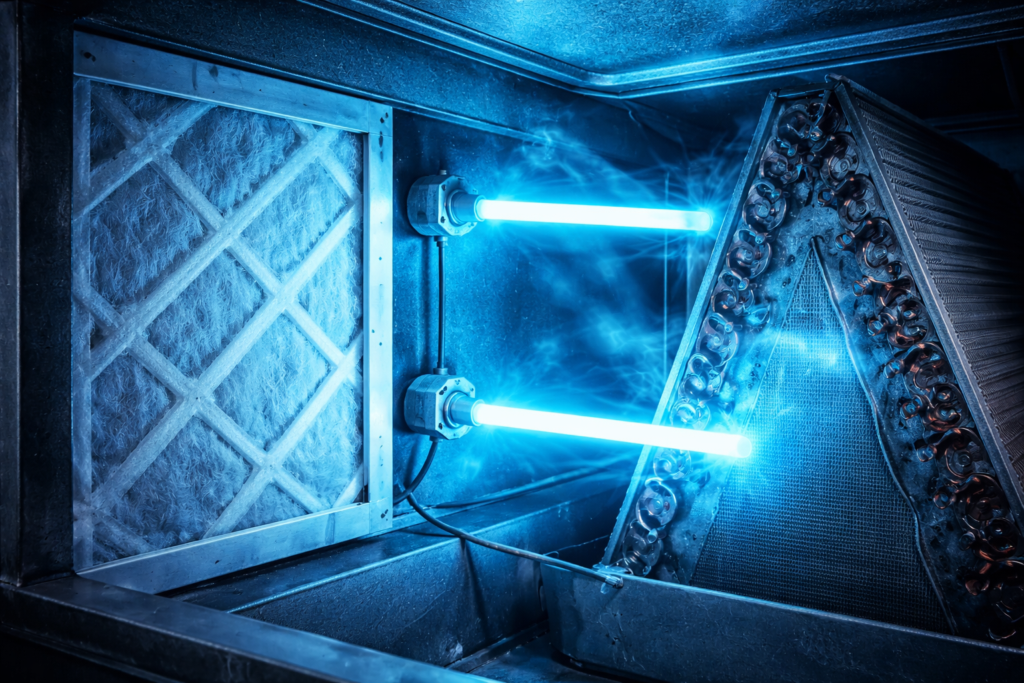
  2. Coil-mounted (stick lights) UV systems – These are placed directly near the evaporator coil. Their primary function is to keep the coil clean and dry, preventing mold buildup and that infamous “dirty sock syndrome” smell.

While in-duct units can offer modest air sanitizing, coil-mounted UV lights are particularly valuable in Florida’s humid climate because they protect the part of your system most susceptible to mold and mildew.

Mold Prevention: The Real Value

For homeowners in Sarasota, mold in AC ducts is more than just a nuisance. It’s a health concern. Mold spores can exacerbate allergies, trigger asthma, and contribute to musty odors in your home. Installing a UV light near the coil creates a hostile environment for mold growth, essentially acting as an insurance policy for your system.

Unlike general air purifiers, UV lights aren’t meant to replace filtration; they complement it. The coil stays clean, airflow remains efficient, and you reduce the risk of the “dirty sock” smell caused by stagnant, moldy condensate. In other words, a UV light is more about preventing problems at the source rather than just chasing germs floating in the air.

Advanced Air Purification Options from Wimpy’s

While in-duct UV lights are highly effective at preventing microbial growth inside your HVAC system, Wimpy’s also offers enhanced indoor air quality solutions through Solace Air purification systems.

Homeowners can choose from multiple package options based on their indoor air quality needs:

  • Single UV Light Installation – Helps prevent mold, bacteria, and microbial buildup on HVAC coils.
  • Dual UV Light System – Provides enhanced protection for both coils and airflow within your system.
  • Dual UV Lights + Oxidizer Package – Helps improve whole-home air quality by reducing airborne contaminants throughout your living space.

The Oxidizer technology works beyond the HVAC equipment itself by helping neutralize odors, bacteria, viruses, and other airborne pollutants as conditioned air circulates through your home, improving the overall cleanliness of the air your family breathes.

Additional HVAC UV Light Benefits

Besides mold prevention, coil-mounted UV lights offer other perks:

  • Maintain system efficiency by keeping coils free of biofilm
  • Reduce maintenance needs and chemical cleaning
  • Extend the lifespan of your AC system

While not a miracle solution for all indoor air issues, these benefits make UV lights a practical, preventative investment, especially in Florida’s climate.

Polarized Media Air Filtration for Maximum Protection

In addition to UV light technology, Wimpy’s also offers Polarized Media Air Filtration systems to target airborne particulates that traditional HVAC filters may miss.

These advanced filtration systems can remove particles as small as 0.3 microns, including:

  • Dust
  • Pet dander
  • Pollen
  • Smoke
  • Mold spores
  • Other microscopic contaminants

Unlike restrictive high-MERV filters that can reduce airflow and strain your HVAC system, polarized media filtration allows for proper system airflow while still providing high-efficiency particle capture. This means cleaner indoor air without sacrificing your HVAC system’s performance or efficiency.

FAQ

Can UV lights completely sanitize the air in my home?

No. UV lights are most effective at keeping coils clean and preventing mold in AC ducts. 

How often do UV lights need replacement?

Wimpy’s UV bulbs are rated to last up to three years and are backed by a 3-year manufacturer warranty. The system’s power supply includes a lifetime warranty, helping protect your investment for years to come. Regular replacement ensures your UV system continues to effectively prevent microbial buildup on coils and maintains the efficiency and longevity of your HVAC system.

Will UV lights prevent “dirty sock syndrome”?

Yes. Coil-mounted UV lights stop mold from forming on the evaporator coil, which is the main cause of that musty odor.

Are UV lights safe?

Absolutely. When installed inside the HVAC system, UV lights pose no risk to people or pets.

Is a UV Light Right for Your Sarasota Home?

If you’re serious about preventing mold in your AC ducts and maintaining indoor air quality in Sarasota, a coil-mounted UV light is a small investment that pays off in comfort, efficiency, and peace of mind. While it won’t replace filtration or professional maintenance, it’s one of the most effective tools for keeping your system clean and odor-free.

Ready to protect your home and AC system? Contact Wimpy’s Plumbing & Air today at (941) 297-5216 to discuss the right UV solution for your Sarasota home and start breathing cleaner, fresher air.

Hard Water in Sarasota: How Scale Destroys Plumbing & How to Stop It

If you live in Sarasota, chances are you’ve noticed cloudy glassware, crusty showerheads, or water heaters that don’t seem to last as long as they should. These aren’t just cosmetic annoyances; they’re symptoms of a widespread local issue: hard water.

Hard water is common throughout Florida, and Sarasota is no exception. Understanding what’s happening inside your plumbing system, and what you can do about it, can help you avoid costly repairs and extend the life of your home’s appliances.

Understanding Sarasota Water Quality: What Is Hard Water?

Hard water contains elevated levels of dissolved minerals, primarily calcium and magnesium. These minerals enter the water supply naturally as groundwater passes through limestone and mineral-rich soil, both abundant in Florida.

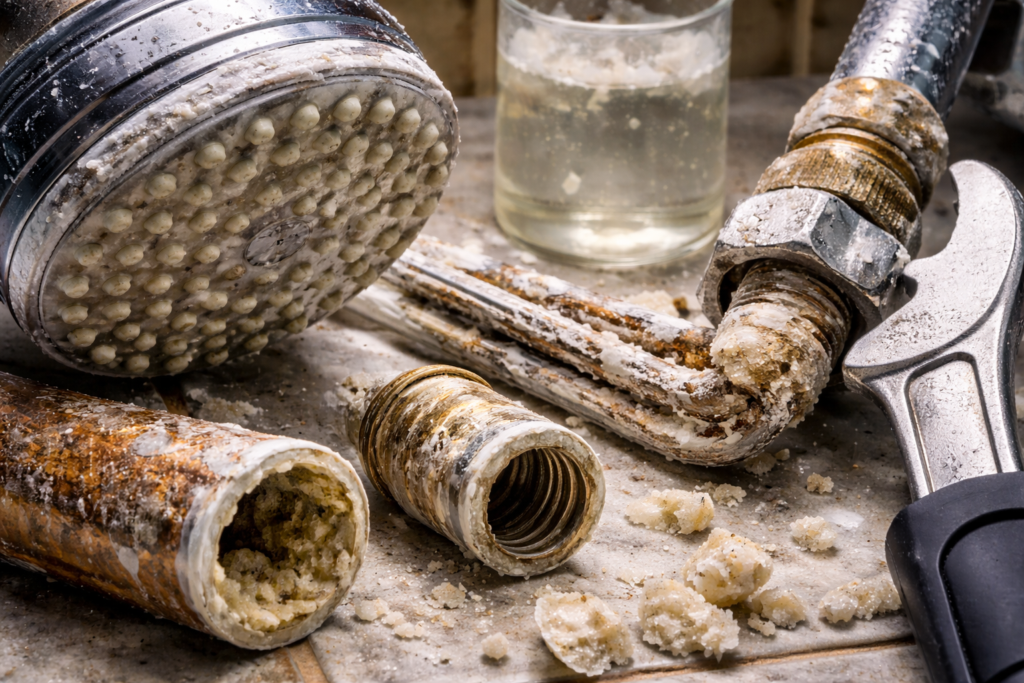
While hard water isn’t harmful to drink, it becomes a serious problem once it’s heated or evaporates. That’s when minerals fall out of solution and solidify, forming scale.

This process, known as scaling in pipe, is slow, silent, and destructive.

What Happens Chemically and Physically Inside Your Plumbing

From a chemical standpoint, calcium and magnesium are stable in cool, moving water. But when water is heated (as in a water heater) or left behind after evaporation (on fixtures or glass), those minerals crystallize and harden.

Physically, this buildup causes several issues:

  • Water heaters lose efficiency: Scale coats heating elements and tank walls, forcing the unit to work harder and shortening its lifespan.
  • Pipe diameters shrink: Mineral buildup narrows pipes from the inside, reducing water pressure and increasing the risk of clogs.
  • Fixtures clog and fail: Showerheads, faucets, and valves become restricted or damaged.
  • Glass and surfaces etch: Hard water spots aren’t just residue; they can permanently etch glass and tile over time.

In short, hard water doesn’t just make things look dirty. It actively damages your plumbing system.

Signs Hard Water Is Damaging Your Home

Many homeowners don’t realize hard water is the issue until problems escalate. Common warning signs include:

  • White or chalky residue on faucets and showerheads
  • Soap that won’t lather properly
  • Dry skin and dull hair after showering
  • Frequent appliance repairs or early failures
  • Reduced water pressure in parts of the home

If you’re trying to remove calcium buildup in plumbing repeatedly, it’s usually a sign that the underlying problem hasn’t been addressed.

Temporary Fixes vs. Permanent Solutions

Temporary Fixes (Short-Term Relief)

Homeowners often turn to DIY methods like:

  • Vinegar or citric acid soaks for showerheads
  • Descaling solutions for coffee makers and kettles
  • Manual cleaning of faucets and aerators

While these methods can remove visible scale, they only treat the symptoms. The minerals continue flowing through your system, and buildup quickly returns.

Permanent Solutions (Long-Term Protection)

The most effective approach to hard water treatment in Sarasota is treating the water at the point of entry, before it reaches your pipes and appliances.

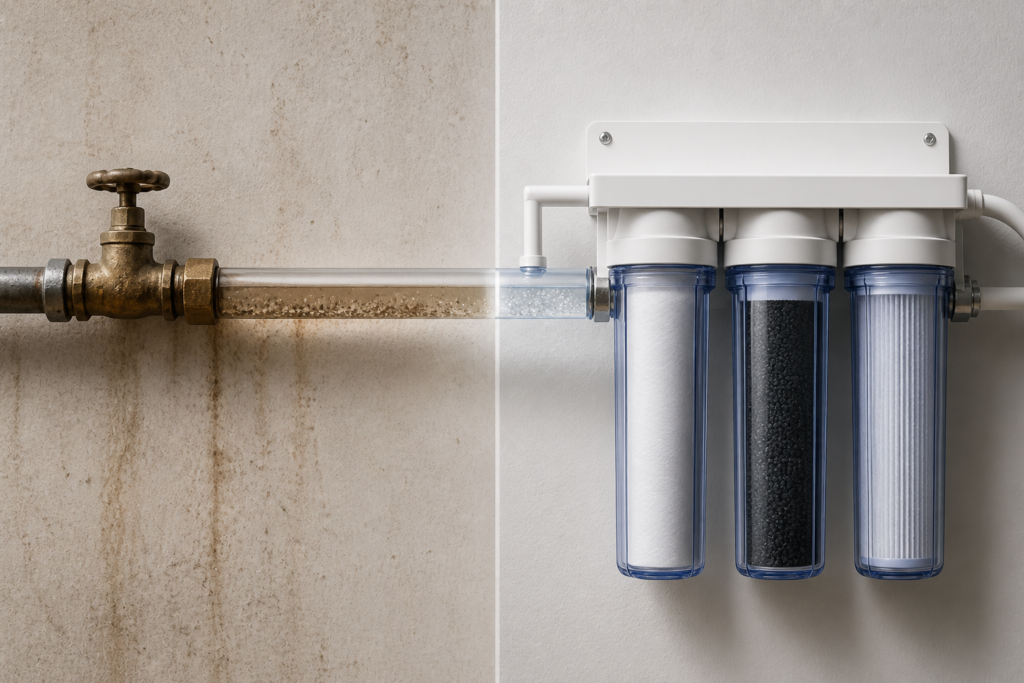
Whole-home water softeners remove calcium and magnesium through an ion-exchange process, preventing scale formation entirely. For homeowners seeking a premium solution, advanced conditioning systems like the Halo 5 go a step further by addressing not only hardness minerals, but also chlorine, sediment, and other contaminants that affect water quality.

Water Softener Benefits in Florida Homes

Installing a whole-home water treatment system offers measurable advantages:

  • Extends the life of water heaters and appliances
  • Improves water pressure and flow
  • Reduces soap and detergent usage
  • Protects pipes from internal scaling
  • Improves taste, clarity, and overall water quality

Given Florida’s mineral-rich water supply, these water softener benefits in Florida often pay for themselves by reducing repairs and energy costs.

Frequently Asked Questions

Is Sarasota water considered hard water?

Yes. Sarasota’s water supply contains naturally high levels of calcium and magnesium due to local geology.

Can hard water damage my water heater?

Absolutely. Scale buildup is one of the leading causes of premature water heater failure.

Do vinegar treatments really work?

They can remove surface-scale temporarily, but they do not prevent future buildup inside pipes or appliances.

What’s the difference between a water softener and a conditioner?

Water softeners remove hardness minerals, while conditioners may neutralize or treat them in different ways. Systems like the Halo 5 combine multiple treatment methods.

Is whole-home hard water treatment worth it?

For most Sarasota homeowners, yes. Preventing scale is far more cost-effective than repairing plumbing damage caused by hard water over time.

Stop Scale Before It Starts

Hard water damage doesn’t happen overnight, but once it starts, it accelerates. Addressing water quality early protects your plumbing investment, improves daily comfort, and eliminates the constant battle with scale and buildup.

If hard water is part of your Sarasota home, the right treatment solution can make a lasting difference. For homeowners dealing with scale buildup, appliance issues, or ongoing water quality concerns, a professional evaluation can help clarify the best options. Wimpy’s Plumbing & Air provides expert hard water treatment in Sarasota, including whole-home solutions designed to protect your plumbing and improve everyday water use. A simple assessment today can help prevent costly plumbing damage tomorrow.

Signs Your Ductwork Is Leaking (And Why It’s Costing You Money)

If your energy bill seems unusually high this January, you’re not alone. Many Sarasota homeowners see a spike in utility costs during the winter months, even though they’re not blasting the AC like they do in summer. The culprit often isn’t your HVAC system itself, but a hidden thief working behind the scenes: leaky ductwork.

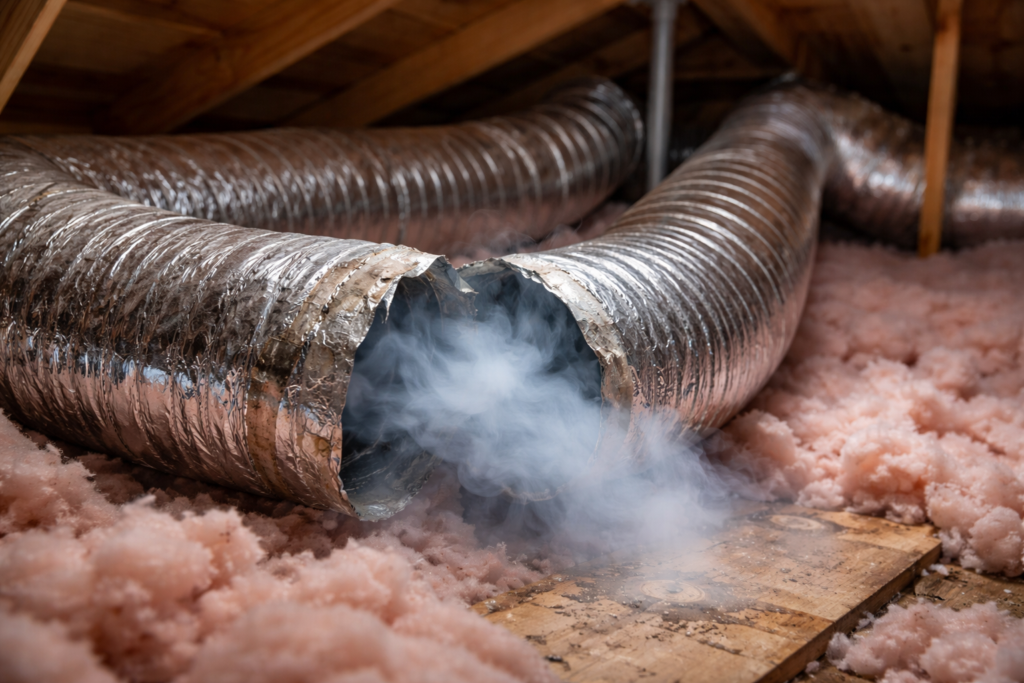
Your duct system is responsible for delivering conditioned air throughout your home. When it develops leaks, cracks, or loose connections, that air escapes into places like the attic, crawlspace, or walls instead of reaching your living areas. The result? Longer run times, uneven comfort, and higher energy bills. Understanding the signs of leaking air ducts can help you address the issue before it drains your wallet.

How Leaky Ducts Drive Up Energy Bills in Sarasota

When your ductwork leaks, your HVAC system has to work harder to maintain your desired temperature. Warm or cool air escapes before it reaches your rooms, forcing the system to run longer cycles to compensate. In Sarasota homes—where attics can become extremely hot even in winter—lost conditioned air is quickly wasted.

Over time, this inefficiency shows up as high energy bills in Sarasota, especially during months when systems run more consistently to maintain comfort.

Visual Signs of Leaking Air Ducts

Some duct problems leave visible clues around your home:

Excess dust around vents: If you notice dust collecting quickly on supply registers or streaks of dust on ceilings and walls near vents, leaking ducts may be pulling dirty attic air into your system.

Disconnected or damaged ducts: In homes with accessible attic spaces, you may spot loose duct connections, crushed flex ducts, or sections that have pulled away entirely.

Rust or deterioration: Older metal ducts can corrode over time, creating gaps where air escapes.

Auditory Signs to Listen For

Your ears can also alert you to duct issues:

Whistling or hissing sounds: Air squeezing through small gaps or cracks can create noticeable noises, especially when the system turns on.

Rattling or popping: Loose duct sections may shift under pressure, causing rattling sounds during operation.

These noises often indicate air loss that’s forcing your system to work harder than necessary.

Physical Comfort Issues in Your Home

Leaky ducts often create comfort problems that homeowners mistakenly blame on their HVAC unit:

Hot and cold spots: Rooms that never feel comfortable, even when the thermostat says they should, are a common sign of duct leakage.

Weak airflow from vents: If some rooms have noticeably less airflow, air may be escaping before it reaches those areas.

Humidity issues: In Florida homes, leaky ducts can pull humid air into the system, making indoor spaces feel clammy and uncomfortable.

Why Professional Ductwork Repair Matters

While small gaps might seem minor, even modest duct leaks can significantly impact efficiency. Professional ductwork repair in Sarasota addresses these issues at the source. Technicians inspect the entire system, identify leaks, and recommend the best solution, whether that’s sealing specific sections or replacing severely damaged duct runs.

AC Duct Sealing Benefits

Homeowners often underestimate the impact of proper duct sealing. Some key AC duct sealing benefits include:

  • Lower monthly energy bills
  • Improved airflow and balanced temperatures
  • Reduced dust and allergens entering your home
  • Less strain on your HVAC system, extending its lifespan
  • Improved overall indoor comfort

In many cases, duct sealing or targeted replacement offers a much better return on investment than prematurely replacing your AC unit.

Frequently Asked Questions

How do I know if my ducts are leaking?

Common signs include dust buildup around vents, uneven room temperatures, whistling noises, weak airflow, and rising energy bills without increased usage.

Can leaky ducts really cause high energy bills in Sarasota?

Yes. Leaking ducts allow conditioned air to escape into unconditioned spaces, forcing your HVAC system to run longer and consume more energy.

Is duct sealing better than duct replacement?

It depends on the condition of your ductwork. Sealing is effective for minor leaks, while severely damaged or aging ducts may require replacement.

How long does ductwork repair take?

Most duct sealing or repair projects can be completed in a few hours, depending on the size of the system and accessibility.

Will ductwork repair improve indoor air quality?

Yes. Sealed ducts prevent attic dust, insulation particles, and humidity from entering your airflow, resulting in cleaner, healthier indoor air.

Don’t Let Leaky Ducts Drain Your Budget

Before you assume your HVAC system is the problem, have your ductwork checked by a professional. Wimpy’s Plumbing & Air offers thorough duct inspections and expert ductwork repair in Sarasota to help homeowners stop energy loss at the source. A simple evaluation could be the key to lower bills, better airflow, and a more comfortable home this winter.

Is Your HVAC System Harboring Mold After a Rainy Summer?

Florida’s humid, rainy summers create the perfect environment for mold growth, especially inside HVAC systems. If your AC has been working overtime through months of heavy rain, high humidity, and warm temperatures, there’s a chance mold could be hiding in places you can’t easily see. And because your HVAC system circulates air throughout your entire home, undetected mold can quickly become a bigger issue affecting your indoor air quality, health, and comfort.

At Wimpy’s Plumbing & Air, we’ve helped Florida families keep their homes safe and comfortable for decades. Here’s what you need to know about spotting, preventing, and addressing mold inside your HVAC system after a rainy season.

Why Rainy Summers Create the Perfect Mold Conditions

Mold thrives in warm, moist environments, and your HVAC system checks all the boxes after a Florida summer:

  • High humidity from weeks of rain
  • Condensation buildup inside air handlers and ducts
  • Warm temperatures that help mold reproduce
  • Periods of system downtime, allowing moisture to sit and stagnate

Even well-maintained systems can experience mold growth when outdoor humidity consistently stays above 70%, a common reality here in Florida.

Signs Your HVAC System May Have Mold

Mold isn’t always easy to see, especially when it’s hiding inside ducts or the evaporator coil. However, there are several signs that point to a potential issue:

1. Musty or sour odors when the AC turns on

This is the most common indicator. If the smell gets stronger when air is blowing, mold may be in your ducts or air handler.

2. Worsening allergy-like symptoms

Sneezing, headaches, congestion, or irritated eyes may intensify when your AC is running.

3. Visible dark patches near vents or the air handler

Mold around supply vents, the drip pan, or insulation near the unit is a red flag.

4. Excessive moisture or standing water

Clogged condensate lines or overflowing drip pans create ideal mold-growing conditions.

5. Reduced airflow or performance

Mold buildup on coils or inside ducts can restrict airflow and strain your system.

If you notice any of these signs, it’s time to call in a professional for a system inspection.

Where Mold Hides Inside Your HVAC System

Mold can grow in several components of your HVAC system, including:

  • Evaporator coils
  • Fiberglass or foam duct insulation
  • Condensate drain pans
  • Ductwork
  • Air handlers
  • Dirty or clogged air filters

These areas stay damp longer during rainy summers, making them hotspots for mold activity.

How a Professional HVAC Inspection Helps

A thorough professional inspection is the most effective way to determine whether mold is present in your HVAC system. Our fully-trained technicians at Wimpy’s Plumbing & Air use specialist tools to check:

  • Moisture levels
  • Airflow restrictions
  • Coil cleanliness
  • Condensate line performance
  • Duct integrity
  • Signs of microbial growth

Catching mold early prevents larger problems and protects your family’s health.

How to Prevent Mold Growth After Rainy Seasons

The good news? There are several proactive steps Florida homeowners can take to reduce the risk of mold in their HVAC systems.

1. Replace your air filter regularly

Filters should be replaced every 30–60 days during the summer. A clean filter helps keep moisture, dust, and spores from circulating.

2. Keep humidity levels in check

Indoor humidity should stay between 40–50%. A whole-home dehumidifier may make a big difference during Florida’s rainiest months.

3. Schedule professional coil and drain line cleaning

Dirty coils and clogged condensate lines are two of the biggest contributors to mold growth. Cleaning them prevents standing water and moisture buildup.

4. Improve home ventilation

Bathrooms, kitchens, and utility rooms gather moisture. Proper ventilation helps keep humidity down throughout the home.

5. Have your ducts inspected

Leaks, gaps, and deteriorating insulation inside ductwork can trap moisture and create mold-friendly pockets.

6. Consider a UV light for added protection

UV lights installed inside the air handler help kill mold spores and bacteria before they circulate.

Why Mold Should Be Addressed Quickly

Ignoring mold in your HVAC system can lead to:

  • Poor air quality
  • Increased allergy and asthma symptoms
  • Lingering odors
  • Higher energy bills due to restricted airflow
  • Damage to system components
  • Spread of mold to other areas of the home

Addressing the issue promptly protects your health, your home, and your HVAC system’s lifespan.

Trust Wimpy’s Plumbing & Air to Protect Your Home

As a family-owned and operated company, we understand how important it is to keep your home comfortable and safe. Our fully-trained HVAC technicians bring decades of experience serving Florida homeowners through rainy seasons, humid summers, and everything in between. We inspect, diagnose, and treat mold issues with care, just as we would in our own homes.

If you suspect your HVAC system might be harboring mold after a rainy summer, or if you simply want peace of mind, we’re here to help.

Call Wimpy’s Plumbing & Air at (941) 299-0786 to schedule an HVAC inspection and keep your home’s air clean, healthy, and fresh year-round.

How to Prep Your HVAC System for Snowbirds in Florida

As Florida welcomes thousands of snowbirds each year, preparing your home’s HVAC system for seasonal use is essential. Whether you’re a snowbird returning for the winter or a homeowner hosting seasonal guests, ensuring your heating and cooling system is ready can save money, prevent breakdowns, and keep your home comfortable. 

At Wimpy’s Plumbing & Air, we understand the importance of a reliable HVAC system, and we’re here to help Florida snowbirds enjoy a cozy, worry-free season.

1. Schedule a Professional HVAC Inspection

The first step in preparing your HVAC system for snowbirds is a professional inspection. Fully-trained technicians can examine your system, identify issues, and ensure everything is operating efficiently. This is especially important for Florida homes that may sit idle for months. Regular inspections prevent costly repairs and keep your heating and cooling system ready when snowbirds arrive.

2. Replace or Clean Air Filters

Clean air filters are crucial for a healthy and efficient HVAC system. Dirty filters restrict airflow, reduce efficiency, and compromise indoor air quality. For seasonal homes in Florida, replacing filters before snowbirds arrive ensures a fresh, allergen-free environment. High-quality filters can trap dust, pollen, and other airborne particles, making your home more comfortable for all residents.

3. Adjust Thermostat Settings

Thermostats play a key role in energy efficiency and comfort. For snowbird homes, programmable thermostats allow you to schedule heating or cooling to match seasonal occupancy. You can set your HVAC system to gradually reach comfortable temperatures just before residents arrive, saving energy while providing a welcoming environment.

4. Inspect Ductwork and Vents

Proper airflow is critical for HVAC efficiency. Leaks, blockages, or closed vents can strain your system and increase energy costs. Snowbird homes that remain vacant for part of the year are especially susceptible to dust buildup in ducts. Having a professional inspect and seal ductwork ensures even airflow and optimal comfort throughout your home.

5. Clean Coils and Condensate Lines

Evaporator and condenser coils, along with condensate lines, can collect dirt and debris over time. Dirty coils reduce cooling efficiency, while clogged condensate lines can lead to water damage. Cleaning these components before the snowbird season ensures your HVAC system operates smoothly and protects your home from costly issues.

6. Test Safety Features

HVAC safety features like carbon monoxide detectors and emergency shut-off mechanisms are critical. Testing these systems before the season starts ensures your home remains safe for snowbirds and permanent residents alike. Safety is always a priority when preparing a Florida home for seasonal occupancy.

7. Consider a Maintenance Plan

For snowbird homeowners, an HVAC maintenance plan provides ongoing support throughout the season. Plans typically include inspections, tune-ups, and priority service, giving you peace of mind and reducing the risk of unexpected breakdowns. With a maintenance plan, your Florida home stays comfortable and energy-efficient for every snowbird visit.

8. Keep Outdoor Units Clear

Outdoor HVAC units require clear space for proper airflow. Remove leaves, debris, and vegetation around your unit, and consider protective covers for homes that may be vacant during part of the year. Proper care of outdoor components ensures your system operates efficiently and lasts longer.

9. Have Trusted HVAC Contacts Ready

Even with preparation, unexpected issues can happen. Keep contact information for a trusted HVAC provider handy. At Wimpy’s Plumbing & Air, we are a family-owned and operated business serving Florida homes. Our fully-trained technicians are ready to provide reliable service and ensure your home stays comfortable throughout the snowbird season.

Conclusion

Preparing your HVAC system for snowbirds in Florida is essential for comfort, efficiency, and safety. From inspections and filter changes to ductwork checks and safety testing, these steps help your system perform at its best. By working with a trusted local provider like Wimpy’s Plumbing & Air, you can focus on enjoying the season with your family and seasonal guests rather than worrying about HVAC issues.

Ensure your Florida home is ready for snowbirds this winter. Call Wimpy’s Plumbing & Air at (941) 297-5216 to schedule an HVAC inspection today. With our experience, professionalism, and family-focused service, your home will be ready to welcome guests with comfort and confidence.

Understanding the Role of Static Pressure in Your HVAC System

When it comes to keeping your home comfortable year-round, most homeowners think about thermostat settings, air filters, or maybe even duct cleaning. But there’s a lesser-known factor that has a major impact on how well your heating and cooling system performs: static pressure.

Think of static pressure as the “blood pressure” of your HVAC system. Just as your doctor monitors blood pressure to judge how well your body is circulating blood, HVAC technicians monitor static pressure to see how easily air moves through your ductwork. When static pressure is too high or too low, your system can’t breathe properly, and the results often show up in reduced comfort, higher utility bills, and premature equipment wear.

In this article, the experts at Wimpy’s Plumbing & Air explain what static pressure is, why it matters, and how proper airflow keeps your home comfortable and your system running efficiently.

ac installation sarasota by wimpys

What Is Static Pressure?

Static pressure refers to the resistance your HVAC system encounters as it pushes air through your ductwork. Your blower motor works to move warm or cool air throughout your home, but if anything restricts its path, whether it’s a clogged filter, undersized ducts, or blocked vents, the resistance increases. This resistance is what we call high static pressure.

On the other hand, low static pressure occurs when there isn’t enough resistance. This can happen with leaky ductwork, disconnected ducts, or a blower that’s not performing properly.

The key is balance. Your system is designed to operate within a specific static pressure range. When it works outside that range, problems follow.

Why Static Pressure Matters

1. Comfort Levels Depend on It

If static pressure is too high, air won’t move efficiently through your ducts. You may experience:

  • Hot or cold spots in different rooms
  • Weak airflow from vents
  • Longer heating or cooling cycles

If static pressure is too low, conditioned air may not reach each room properly, or your blower may push air too quickly, leading to temperature swings and humidity imbalances.

2. It Impacts Energy Efficiency

High static pressure forces your HVAC system to work harder. Your blower motor draws more electricity trying to overcome the resistance, and your system may run longer cycles to reach the thermostat setting. This results in higher energy bills and reduced efficiency.

3. It Affects System Longevity

An HVAC system operating under excessive strain ages faster. High static pressure can lead to:

  • Premature blower motor failure
  • Frozen evaporator coils
  • Overheating components
  • Frequent repairs

Keeping static pressure in check protects your investment and helps your equipment last longer.

4. It Helps Diagnose Underlying Issues

Static pressure readings help technicians pinpoint problems that aren’t obvious from the outside. By measuring pressure before and after the air handler, at the return, and at the supply, your technician can identify issues such as:

  • Duct blockages
  • Poor duct design
  • Air leaks
  • Improper equipment sizing
  • Dirty coils or filters

It’s one of the most valuable diagnostic tools in modern HVAC maintenance.

Common Causes of High Static Pressure

Understanding what contributes to poor airflow can help you recognize problems early. Some of the most common culprits include:

1. Dirty or Wrong-Sized Filters

A filter that’s too restrictive, or simply overdue for replacement, can choke airflow instantly. Filters with high MERV ratings may sound appealing, but many homeowners don’t realize that not every system is designed for them.

2. Undersized or Poorly Designed Ductwork

Even a brand-new, high-efficiency HVAC system will struggle if the ductwork can’t support proper airflow. Many homes use ducts that are too small for the system’s capacity.

3. Blocked or Closed Vents

Closing vents in unused rooms is a common myth for saving energy. In reality, it increases static pressure and forces your system to work harder.

4. Dirty Coils or Blower Wheels

A buildup of dirt on internal components can dramatically reduce airflow, even if everything else appears to be working normally.

Symptoms of Static Pressure Problems

You might have a static pressure issue if you notice:

  • Rooms that are consistently too warm or too cold
  • Vents that barely blow air
  • Loud airflow noises (whistling, hissing, or roaring)
  • A blower that seems unusually loud
  • Higher-than-normal energy bills
  • Frequent HVAC repairs

If you’ve experienced any of these signs, it’s worth having your system inspected.

How Wimpy’s Plumbing & Air Can Help

At Wimpy’s Plumbing & Air, we use industry-standard tools to measure static pressure and diagnose airflow problems accurately. Once we identify the cause, we can recommend solutions such as:

  • Adjusting or resizing ductwork
  • Repairing leaks or disconnections
  • Replacing filters with the correct type
  • Cleaning coils and blower components
  • Balancing airflow by adjusting dampers
  • Recommending system upgrades if needed

We aim to restore proper airflow, improve efficiency, and maximize comfort in every room of your home.

Final Thoughts

Static pressure may not be a term most homeowners hear often, but it plays a crucial role in how your HVAC system performs. Proper airflow means better comfort, lower energy bills, and longer system life. If your home has been experiencing uneven temperatures, weak airflow, or rising utility costs, your static pressure might be trying to tell you something.

For expert diagnostics and solutions, contact the team at Wimpy’s Plumbing & Air. We’re here to help your HVAC system breathe easy.

The Pros and Cons of Closing HVAC Vents in Unused Rooms During Cooler Months

When cooler weather arrives, homeowners often start looking for simple ways to save on heating costs. One of the most common ideas, passed down for generations, is closing HVAC vents in rooms you don’t use. On the surface, it seems logical: if you’re not heating those rooms, your furnace shouldn’t have to work as hard, right?

Unfortunately, the truth is more complicated. Closing vents doesn’t always save you money, and in many cases, it can actually reduce efficiency and increase wear on your HVAC system. At Wimpy’s Plumbing & Air, we help homeowners create comfortable, efficient homes every day, and this is one topic that comes up often.

Let’s break down the pros, cons, and best practices so you can make an informed decision this heating season.

The Idea Behind Closing Vents

The idea is simple: if you close vents in unused rooms, your system should push all the warm air into the active areas of your home. This should theoretically reduce the energy your furnace or heat pump uses, because you’re “heating less space.”

But central HVAC systems don’t quite work that way. Your system is designed to heat (or cool) your entire home at once using a balanced airflow system. When you start changing that balance, things get tricky.

The Possible Pros of Closing HVAC Vents

There are a few situations where closing vents can provide some benefit, though these are limited and usually temporary.

1. Redirecting Airflow Slightly

Closing a vent or two may push a small amount of additional air toward other rooms. If a certain room always feels colder than the rest, you might notice a slight improvement in airflow when another vent is closed.

2. Temporary Adjustments for Comfort

If a single unused room is overheating due to duct layout or equipment placement, closing that vent temporarily could help stabilize your home’s overall temperature.

3. Works Better in Systems Designed for It

Some modern zoning systems are specifically engineered to open and close dampers automatically, controlling airflow intentionally. However, these systems use pressure relief mechanisms to protect equipment, something standard systems do not have.

The Cons of Closing HVAC Vents (and Why Experts Warn Against It)

While closing vents might seem like an easy way to save money, the drawbacks far outweigh the benefits for most homes.

1. Increased Static Pressure

Closing vents increases the pressure inside your ductwork. Your blower still pushes the same amount of air, but with fewer places for that air to go, the system becomes strained.

High static pressure can cause:

  • Loud or whistling vents
  • Reduced airflow throughout the home
  • Overworked blower motors
  • Premature furnace or heat pump damage
  • Frozen evaporator coils (in heat pumps and AC mode)

This is one of the biggest and most expensive downsides.

2. Reduced Energy Efficiency

It might seem like less space to heat means less energy used, but your HVAC system doesn’t think that way. Furnaces and heat pumps are sized to manage the entire home’s airflow, so restricting that airflow makes them work harder, not easier.

This often increases energy bills.

3. Hot and Cold Spots Throughout the Home

Unbalanced airflow can result in:

  • Certain rooms not getting enough heat
  • Others overheating
  • Uneven temperatures between floors
  • Comfort complaints from everyone in the house

Your thermostat only measures temperature in one location. If the rest of the home falls out of sync, your system may run longer or short-cycle, both of which increase energy consumption.

4. Potential Ductwork Leaks

High pressure inside ducts can weaken joints or worsen existing leaks. That lost air usually ends up in your attic, crawlspace, or walls, wasting energy and increasing your heating costs.

5. Increased Dust and Poor Indoor Air Quality

Closed rooms tend to become stagnant, causing dust buildup and potentially musty odors. When vents stay closed for months, any dust in those ducts may blow into the room once reopened.

So, Should You Close Vents in Winter?

For most homes and most HVAC systems, the answer is no.

Closing vents typically creates more problems than it solves, and whatever small temperature benefit you might get is rarely worth the strain on your system or the potential repair costs.

Better Alternatives to Save Energy in Unused Rooms

Instead of closing vents, consider these HVAC-friendly options:

1. Seal and Insulate Your Home

Air leaks around windows, doors, and attic spaces are far more responsible for energy loss than unused rooms.

2. Install a Programmable or Smart Thermostat

Lowering the temperature by 7–10 degrees at night or when away from home can lower heating costs significantly without harming your system.

3. Improve Ductwork

Undersized, leaky, or poorly designed ducts often cause comfort issues that make homeowners want to close vents in the first place.

4. Consider HVAC Zoning

Zoning systems create intentional “active” and “inactive” areas with proper pressure control, no equipment strain required.

5. Keep Doors Open When Possible

This helps air circulate naturally and reduces the need for system adjustments.

How Wimpy’s Plumbing & Air Can Help

If you’re dealing with uneven heating, high utility bills, or rooms that never feel comfortable, closing vents isn’t the answer, but we can help find the real issue.

Our team can:

  • Measure static pressure
  • Inspect ductwork
  • Check for airflow restrictions
  • Recommend proper zoning solutions
  • Improve system balance for whole-home comfort
  • Provide maintenance that boosts efficiency

We’re committed to helping you enjoy a comfortable, energy-efficient home all winter long.

Final Thoughts

Closing HVAC vents may seem like a simple money-saving trick, but it often leads to higher bills, system strain, and comfort issues. Your HVAC system works best when airflow remains balanced and unrestricted.

For professional guidance on airflow, system efficiency, and winter home comfort, trust Wimpy’s Plumbing & Air. We’re here to keep your home warm the right way.

Do You Really Need a Cold Weather Heat Pump in Sarasota?

If you’ve spent any time researching energy-efficient heating and cooling systems, you’ve probably heard of cold weather heat pumps. These advanced systems are designed to perform efficiently even when temperatures drop below freezing. But if you live in Sarasota, FL, where winter lows rarely dip below 50 degrees, you might wonder: do you really need one?

At Wimpy’s Plumbing & Air, we’re Sarasota’s trusted source for heat pump installation, repair, and maintenance, and we get this question from homeowners all the time. The short answer: while a cold climate model isn’t strictly necessary for most Sarasota homes, there are still a few reasons you might consider one. Let’s break down how heat pumps work, when cold weather versions make sense, and what’s best for your Florida home.

heat pumps sarasota

How Heat Pumps Work in Warm Climates

A heat pump is a two-in-one HVAC system that provides both heating and cooling. Instead of generating heat like a furnace, it transfers heat between the indoors and outdoors using refrigerant. In the summer, it works like an air conditioner, pushing warm air out of your home. In the winter, it reverses the process, drawing in warmth from the outside air and moving it inside.

Because Sarasota’s winters are mild, traditional air-source heat pumps perform exceptionally well here. Even when outdoor temperatures fall into the 40s, there’s still plenty of ambient heat in the air for your system to extract. That’s why heat pumps have become so popular in coastal Florida. They’re efficient, reliable, and cost-effective year-round.

What Makes a Cold Weather Heat Pump Different?

Cold weather heat pumps, sometimes called cold climate heat pumps, are engineered to operate efficiently even when temperatures drop into the teens or single digits. They use advanced compressor technology, specialized refrigerants, and variable-speed motors to maintain performance in extreme cold.

While this technology is ideal for northern states that experience freezing winters, it’s more than most Sarasota homes need. Here, the temperature rarely drops low enough for a traditional heat pump to struggle. In fact, investing in a cold weather model could be overkill if your system will never need to operate in truly cold conditions.

However, there are some exceptions where cold weather units can make sense, even in Florida’s mild climate.

When a Cold Weather Heat Pump Might Still Be Worth It

Although not necessary for everyone, there are situations where upgrading to a cold weather model can still be a smart move:

  1. You Want Top-Tier Efficiency Year-Round: Cold weather heat pumps often include the latest inverter-driven compressors and smart controls that optimize performance and minimize energy use. If you’re building a new home or replacing an older system, this advanced technology can provide exceptional comfort and lower utility bills, even in moderate climates like Sarasota.
  2. You Have an All-Electric Home: If your home doesn’t use natural gas or propane, a heat pump is your main heating source. A cold climate model ensures you’ll stay comfortable even during those occasional 40-degree cold snaps that roll through Sarasota each winter.
  3. You Plan to Keep Your System for Many Years: Investing in a high-performance system today can provide long-term savings and stability. Since cold weather heat pumps are built with efficiency and durability in mind, they can offer excellent reliability over the long run.

Why a Standard Heat Pump Is Usually the Best Choice for Sarasota

For most local homeowners, a standard heat pump installation is the perfect balance of cost, comfort, and efficiency. Since our region rarely experiences freezing temperatures, traditional models easily handle Sarasota’s mild winters and hot, humid summers.

At Wimpy’s Plumbing & Air, our technicians help you select the right heat pump based on your home’s layout, size, and energy needs. We install and service both standard and cold climate systems, and we’ll always give you honest guidance about what makes the most sense for your situation.

We’ve seen many homeowners spend extra on cold-weather systems only to find that their standard heat pump would have worked just as well. In most cases, you’ll get the best return on investment by choosing a high-efficiency air-source model designed for warm, coastal climates like ours.

The Importance of Professional Installation and Maintenance

Whether you choose a traditional or cold weather heat pump, professional installation is key to long-term performance. A poorly installed system can lead to uneven heating, high energy bills, and early breakdowns.

At Wimpy’s Plumbing & Air, we make sure every heat pump installation in Sarasota is completed to manufacturer specifications. Our technicians are trained to size your system properly, test airflow, calibrate controls, and ensure every component is working as intended.

Once your heat pump is running, routine maintenance is equally important. We offer comprehensive heat pump maintenance services to keep your system clean, efficient, and problem-free. And if you ever experience issues, our heat pump repair experts can quickly diagnose and fix the problem before it turns into a costly breakdown.

The Bottom Line

So, do you really need a cold weather heat pump in Sarasota? In most cases—no. Our climate is mild enough that standard air-source models perform beautifully year-round. However, if you want the latest in energy-saving technology, have an all-electric home, or simply prefer top-tier efficiency, a cold climate model could be worth considering.

The best way to know for sure is to talk with an experienced HVAC professional who understands both the equipment and the Sarasota climate. That’s exactly what you’ll find at Wimpy’s Plumbing & Air.

Whether you need a new system, a repair, or just some expert advice, our friendly team is here to help. Call Wimpy’s Plumbing & Air today at (941) 322-1911 or schedule your service online to learn more about the best heat pump options for your home.

Why Your Thermostat Might Not Be Reading Temperatures Accurately in the Winter

Winter in Sarasota, FL may be mild compared to other parts of the country, but even a few chilly days can reveal issues with your home’s heating system. One common problem that can impact comfort and efficiency is a thermostat that isn’t reading temperatures accurately. If your system seems to be running too much, not enough, or not matching the temperature on the display, your thermostat could be the culprit. 

At Wimpy’s Plumbing & Air, we’ve seen this issue countless times and know how to diagnose and fix it quickly to keep your home warm and your energy bills under control.

A properly placed thermostat in a Sarasota home

How Thermostats Work

A thermostat is more than just a dial or digital display on your wall—it’s the brain of your heating system. It monitors your home’s temperature and signals your furnace, heat pump, or air conditioner to turn on or off to maintain the desired comfort level.

When a thermostat functions correctly, it helps your system run efficiently, keeping temperatures consistent without wasting energy. But when it malfunctions, the system may cycle too often, overheat, or fail to reach the set temperature. This can cause discomfort and higher energy costs, even if your heating system is in good condition.

Common Reasons Thermostats Give Inaccurate Readings

Several factors can cause your thermostat to misread temperatures in the winter months. Understanding these can help you determine whether it’s a simple fix or a job for a professional:

  1. Improper Placement: Thermostats placed in direct sunlight, near vents, or close to drafts can get skewed readings. If a thermostat senses a warmer or cooler spot than the rest of your home, it may overcompensate and run your system unnecessarily.
  2. Dust and Dirt Buildup: Over time, dust can accumulate inside the thermostat, affecting sensors and internal components. Even a small buildup can cause inaccurate temperature detection, leading to erratic heating cycles.
  3. Battery Issues: Many modern thermostats rely on batteries for accurate readings and consistent operation. Weak or old batteries can cause malfunctions, display errors, or intermittent operation.
  4. Calibration Problems: Thermostats sometimes lose calibration due to age, electrical surges, or manufacturing inconsistencies. When this happens, the temperature displayed on the unit doesn’t match the actual room temperature.
  5. Faulty Wiring or Loose Connections: In some cases, wiring problems can prevent the thermostat from properly communicating with your heating system. Loose connections, corrosion, or worn wires can all contribute to inaccurate readings.

How Inaccurate Thermostats Affect Your Heating System

An improperly reading thermostat doesn’t just make your home uncomfortable; it can also lead to unnecessary wear and tear on your system. If your thermostat signals the heater to run when it doesn’t need to, components like the heat pump or furnace may experience more frequent cycling, reducing their lifespan. Conversely, if your thermostat underestimates the temperature, your home may remain cold while the system struggles to catch up, wasting energy and money.

For homeowners in Sarasota, a malfunctioning thermostat can mean higher utility bills, uneven heating throughout the house, and frustration during even mild winter weather.

Professional Thermostat Diagnosis and Service

At Wimpy’s Plumbing & Air, our certified HVAC technicians can quickly diagnose thermostat issues and restore accurate temperature control. We’ll inspect your system, check calibration, test wiring, and ensure batteries and sensors are functioning correctly. If your thermostat is outdated, damaged, or no longer reliable, we can recommend and install a modern, energy-efficient replacement tailored to your home.

We also offer expert maintenance for heat pumps and furnaces to complement your thermostat service. Regular system checks help prevent small issues from becoming major repairs, keeping your heating and cooling equipment running smoothly year-round.

Tips to Improve Thermostat Accuracy

While some problems require professional attention, there are simple steps you can take to help your thermostat read temperatures more accurately:

  • Ensure it’s placed on an interior wall away from direct sunlight, vents, or drafty windows.
  • Keep the unit clean and dust-free.
  • Replace batteries regularly if your model uses them.
  • Consider upgrading to a programmable or smart thermostat for more precise control and energy savings.

Even with these precautions, a professional inspection is often the best way to guarantee comfort and efficiency during Sarasota’s cooler months.

The Bottom Line

A thermostat that doesn’t read temperatures accurately can make your home uncomfortable and drive up energy bills. Whether it’s due to placement, calibration, or internal issues, professional diagnosis and repair are the most reliable way to solve the problem.

At Wimpy’s Plumbing & Air, we provide fast, friendly, and expert service for all your heating and cooling needs in Sarasota, FL. From thermostat repair and replacement to heat pump maintenance and installation, our certified technicians ensure your system is performing optimally. If you’re noticing temperature inconsistencies this winter, don’t wait. Call Wimpy’s Plumbing & Air at (941) 297-5216 or schedule your service online today.

How Landscaping Can Impact the Efficiency of Your AC Unit

Most homeowners in Florida understand that air conditioners are essential for staying cool during the long, hot summer months. What many don’t realize, however, is that the landscape surrounding your home can have a significant impact on your AC unit’s efficiency. Properly planned landscaping can reduce strain on your system, lower energy costs, and extend the life of your air conditioner.

At Wimpy’s Plumbing & Air, we often see how thoughtful yard planning—or the lack of it—affects AC performance throughout Sarasota County, Nokomis, Ellenton, Miakka, and surrounding areas. Here’s what you need to know to help your system run efficiently year-round.

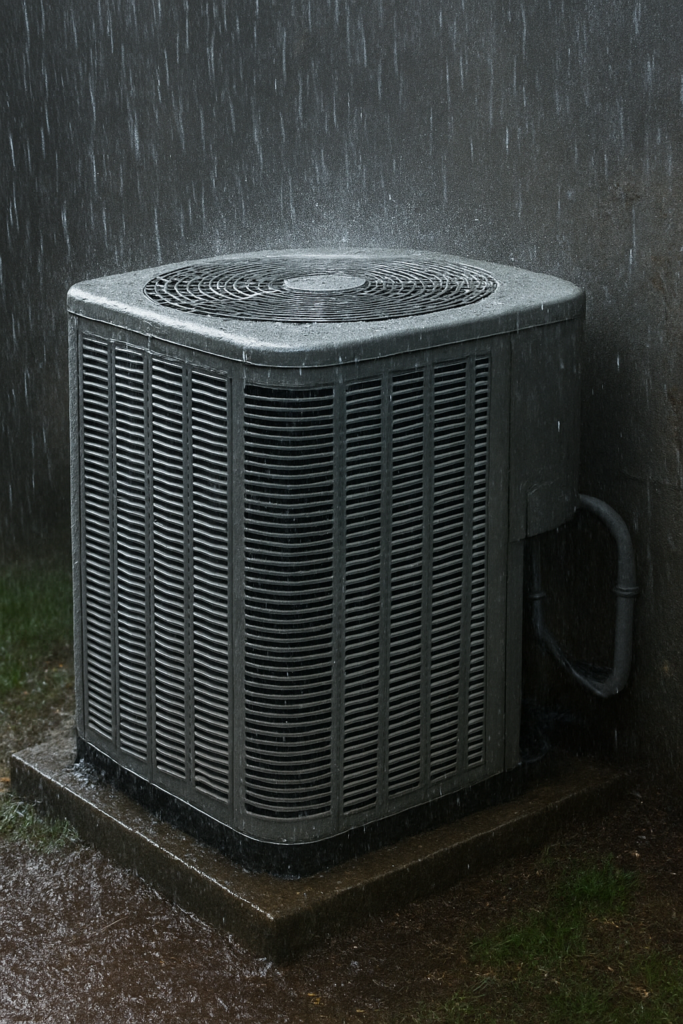
An outdoor AC in Sarasota

The Connection Between Landscaping and AC Performance

Air conditioning units work by drawing in warm air, cooling it, and circulating it throughout your home. Units located outdoors rely on proper airflow to operate efficiently. Landscaping features—trees, shrubs, fences, and other structures—can either help or hinder this process. Poorly placed plants can block airflow, overheat components, and force your system to work harder, increasing energy bills and wear on critical parts.

Some of the most common ways landscaping impacts AC efficiency include:

  • Shading the Unit – Trees and shrubs that provide shade for your outdoor unit can help it stay cooler, improving efficiency.
  • Blocking Airflow – Plants, fences, or debris placed too close to the AC condenser can obstruct airflow, reducing performance and increasing energy usage.
  • Debris Accumulation – Leaves, mulch, and grass clippings can get inside the unit, clogging coils and filters.
  • Excessive Heat Reflection – Hardscapes like patios, driveways, and walls can reflect heat toward your unit, making it work harder to cool your home.

Landscaping Strategies to Improve AC Efficiency

With proper planning and care, landscaping can actually enhance the performance of your air conditioner. Consider the following strategies:

1. Provide Adequate Clearance

AC units require at least 2–3 feet of clear space on all sides for proper airflow. Avoid planting shrubs, building fences, or installing structures too close to your condenser. This allows your system to breathe and operate efficiently without overheating.

2. Use Shade Strategically

Placing trees or tall shrubs on the west and south sides of your home can block direct sunlight during the hottest part of the day, keeping both your AC unit and your house cooler. However, avoid placing trees directly above the unit to prevent debris from falling into it.

3. Maintain Your Yard Regularly

Trim back bushes, remove weeds, and keep grass clippings away from the AC unit. Regular maintenance prevents debris from clogging the condenser and keeps airflow unobstructed.

4. Consider Ground Cover and Mulch Carefully

While mulch can help prevent weeds, ensure it’s not piled up against the unit. Opt for low-maintenance ground covers that won’t interfere with airflow, and maintain a small gap around the base of the AC for ventilation.

5. Avoid Reflective Surfaces Near the Unit

If possible, avoid positioning your unit near walls, patios, or driveways that reflect heat onto the condenser. Reflective surfaces can increase the workload on your AC, reducing efficiency and increasing wear.

Benefits of Landscaping for AC Performance

Proper landscaping offers several advantages for your air conditioning system:

  • Lower Energy Bills – A well-shaded and unobstructed unit runs more efficiently, reducing electricity consumption.
  • Extended System Lifespan – Reduced strain on your AC components means fewer breakdowns and a longer lifespan.
  • Consistent Indoor Comfort – Proper airflow and strategic shading help maintain stable indoor temperatures.
  • Reduced Maintenance Needs – Preventing debris buildup reduces the frequency of cleanings and repairs.

By paying attention to your outdoor environment, you can significantly improve the performance of your AC unit while also enhancing your yard’s appearance.

When to Call the Experts

Even with careful landscaping, AC units require regular maintenance to operate at peak efficiency. Wimpy’s Plumbing & Air recommends annual inspections to check refrigerant levels, clean coils, and ensure that all components are functioning properly. If your system is struggling, making unusual noises, or showing signs of inefficiency, our licensed technicians can diagnose and resolve the issue quickly.

For Florida homeowners, addressing both landscaping and AC maintenance is essential. The combination of proper yard care and professional service ensures your air conditioner remains reliable, efficient, and long-lasting.

Trust Wimpy’s Plumbing & Air for HVAC Solutions

With over 50 years of experience serving Sarasota County and surrounding areas, Wimpy’s Plumbing & Air is your trusted partner for AC maintenance, repair, and service. Our licensed, trained technicians provide fast, reliable solutions to keep your system running smoothly all year. Whether you’re dealing with a struggling unit or simply want to maximize efficiency, we’re here to help.

Don’t let landscaping issues or neglected maintenance compromise your comfort. Contact Wimpy’s Plumbing & Air today to ensure your AC operates efficiently and keeps your Florida home cool, comfortable, and energy-smart.

Schedule Now

"*" indicates required fields

This field is for validation purposes and should be left unchanged.